practicar
“practicar” means “to practice” in Spanish. It has 3 different meanings depending on context:
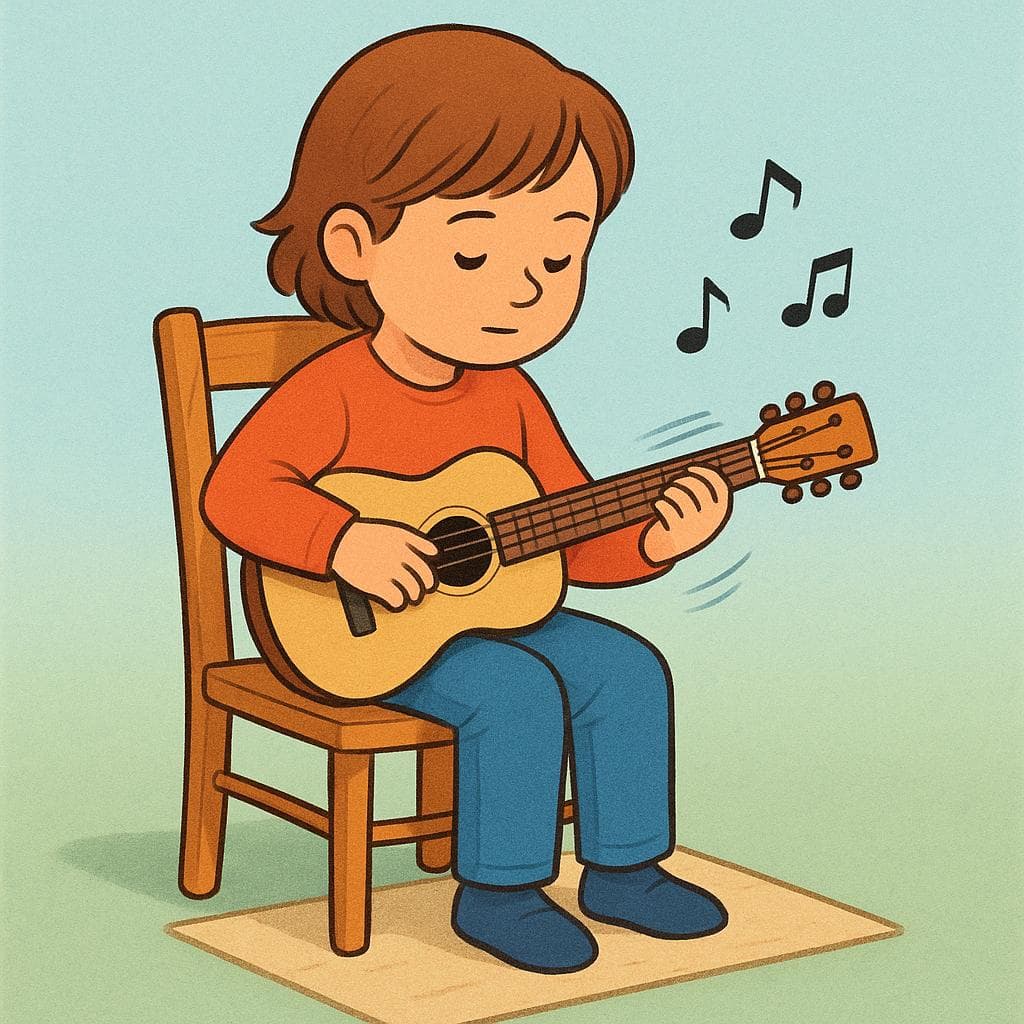


to practice, to rehearse

📝 In Action
Necesitas practicar la guitarra todos los días para mejorar.
A2You need to practice the guitar every day to improve.
Ellos están practicando su presentación para mañana.
B1They are rehearsing their presentation for tomorrow.
¿Practicas algún deporte?
A2Do you play/practice any sport?
Word Connections
to observe, to engage in, to carry out

📝 In Action
Ella practica la medicina en una clínica rural.
B1She practices medicine in a rural clinic.
Mi familia practica la religión católica.
B1My family observes/practices the Catholic religion.
El gobierno decidió practicar una nueva política económica.
C1The government decided to carry out a new economic policy.
Word Connections
to perform, to conduct, to administer

📝 In Action
El cirujano debe practicar la operación esta tarde.
C1The surgeon must perform the operation this afternoon.
La policía practicó un registro en la casa del sospechoso.
C2The police conducted a search of the suspect's house.
Word Connections
Indicative
Present
Imperfect
Preterite
Subjunctive
Present Subjunctive
Imperfect Subjunctive
Translate to Spanish
Words that translate to "practicar" in Spanish:
✏️ Quick Practice
Quick Quiz: practicar
Question 1 of 2
Which sentence uses 'practicar' in the sense of performing a formal procedure?
📚 More Resources
👥 Word Family
📚 Etymology
Comes directly from the Latin word *practicare*, which itself derived from the Greek *praktikos*, meaning 'fit for action' or 'concerned with action'. It has always been connected to performing or doing something.
First recorded: 13th century
Cognates (Related words)
💡 Master Spanish
Take your Spanish to the next level. Read 200+ illustrated and narrated Spanish stories tailored to your level with the Inklingo app!
Frequently Asked Questions
How is 'practicar' different from 'entrenar'?
'Practicar' means to do something repeatedly to gain skill (like playing piano). 'Entrenar' means to train, usually focusing on physical conditioning or specific instruction for a competition or job.
Can I use 'practicar' for practicing my job, like a lawyer?
Yes, absolutely. The phrase 'practicar la abogacía' (to practice law) is very common, using the B1/C1 meaning of performing a profession.