proceso
“proceso” means “process” in Spanish. It has 2 different meanings depending on context:
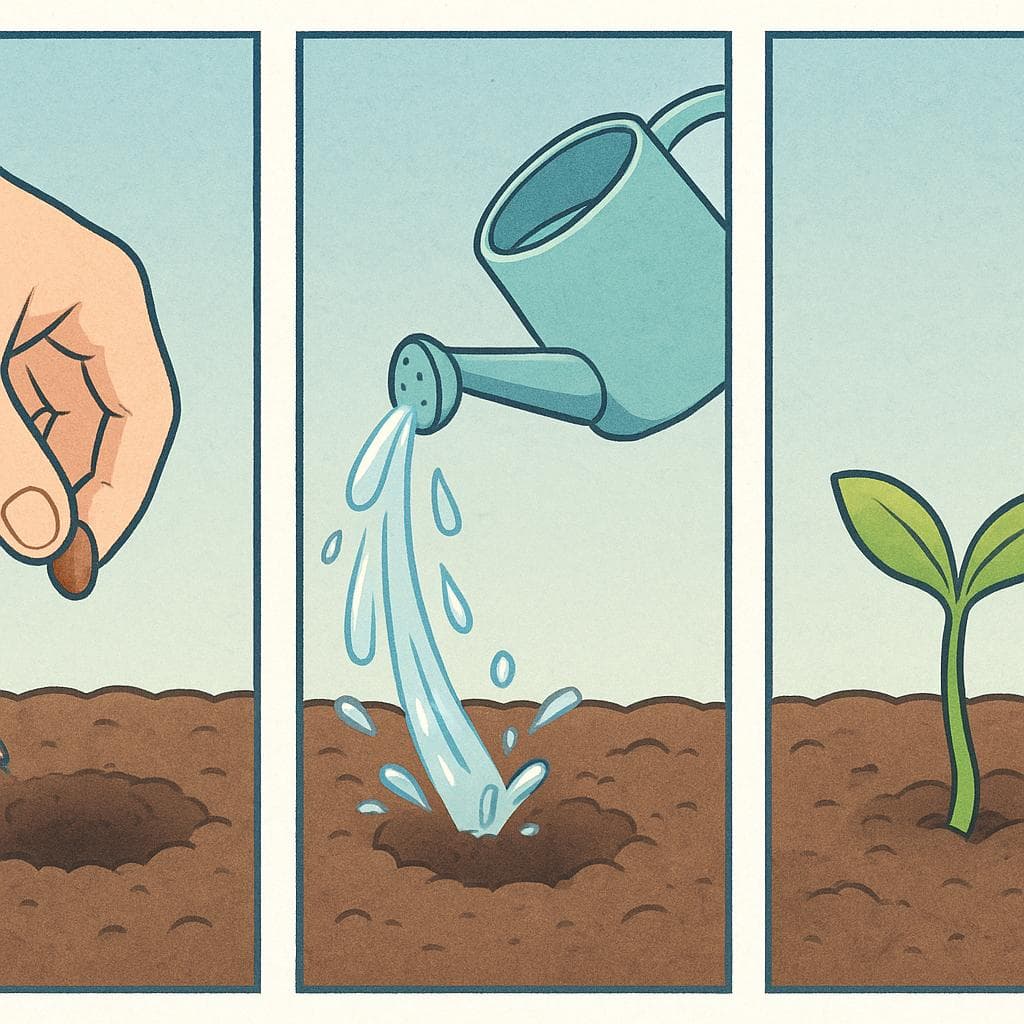

process
Also: procedure, method
📝 In Action
El proceso de aprendizaje es diferente para cada persona.
A2The learning process is different for every person.
Necesitamos seguir el proceso correcto para solicitar la visa.
B1We need to follow the correct procedure to apply for the visa.
¿Puedes explicar el proceso de producción?
B1Can you explain the production process?
trial, legal case
Also: prosecution
📝 In Action
El abogado dijo que el proceso será largo y complicado.
B2The lawyer said the trial will be long and complicated.
La prensa estaba siguiendo de cerca el proceso judicial.
C1The press was closely following the legal case.
🔀 Commonly Confused With
Translate to Spanish
✏️ Quick Practice
Quick Quiz: proceso
Question 1 of 1
Which sentence uses 'proceso' in its formal, legal context (Meaning 2)?
📚 More Resources
📚 Etymology▼
The word comes directly from the Latin *processus*, which literally meant 'a going forward' or 'an advance.' This origin helps explain both meanings: moving forward through steps (a process) or moving forward through legal steps (a trial).
First recorded: Early 15th century
Cognates (Related words)
💡 Master Spanish
Take your Spanish to the next level. Read 200+ illustrated and narrated Spanish stories tailored to your level with the Inklingo app!
Frequently Asked Questions
What is the difference between 'proceso' and 'procedimiento'?
'Proceso' generally refers to the entire series of stages or the overall development of an action (like a 'historical process'). 'Procedimiento' (procedure) refers specifically to the regulated, standardized steps or rules within that overall process. 'Procedimiento' is usually more focused on the how-to rules.
Is 'proceso' masculine or feminine?
'Proceso' is a masculine noun. Always use 'el' or 'un': 'el proceso', 'un proceso largo'.