pulso
“pulso” means “pulse” in Spanish. It has 4 different meanings depending on context:
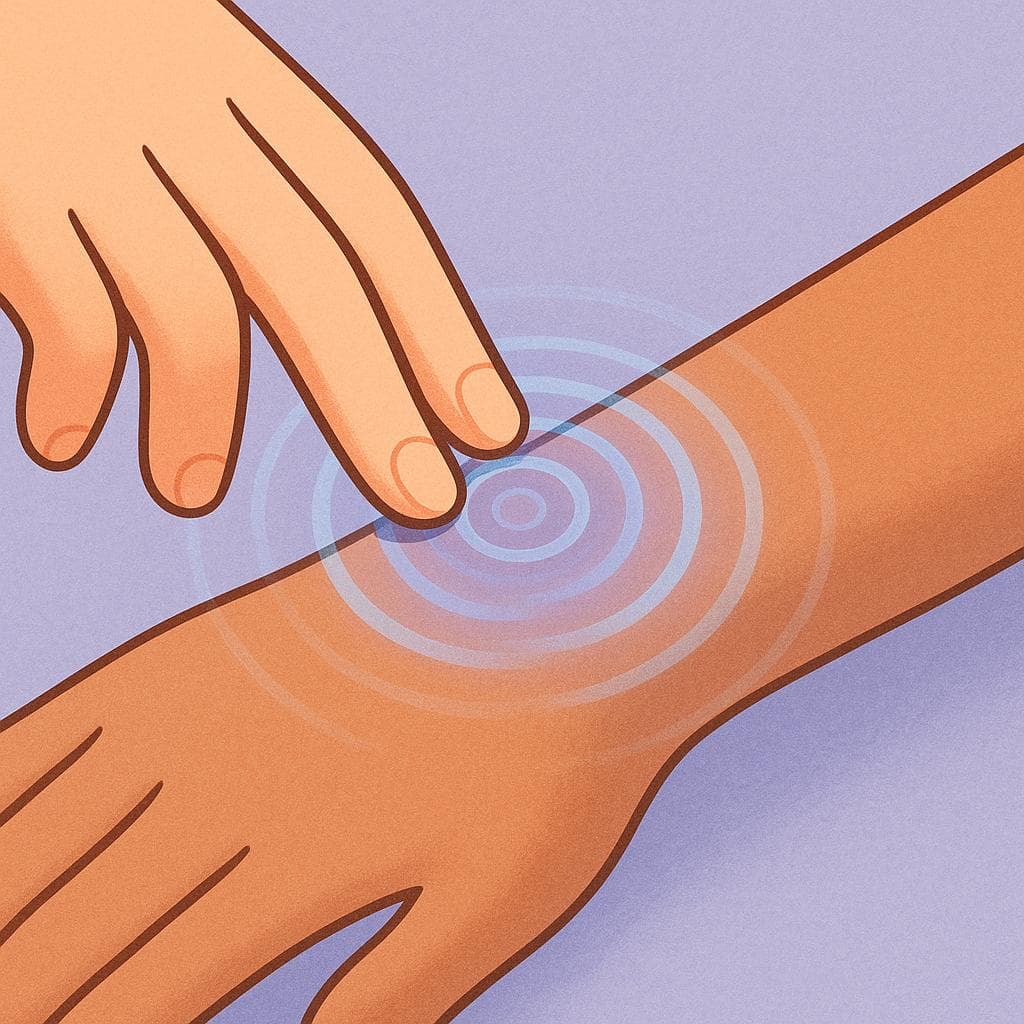



pulse
Also: heart rate
📝 In Action
El doctor me tomó el pulso para ver si estaba bien.
A1The doctor took my pulse to see if I was okay.
Siento mi pulso muy rápido después de correr.
A2I feel my pulse very fast after running.
steady hand
Also: steadiness, aim
📝 In Action
El cirujano tiene un pulso increíblemente firme.
B1The surgeon has an incredibly steady hand.
Necesitas buen pulso para escribir esa letra tan pequeña.
A2You need a steady hand to write such tiny lettering.
arm wrestling
Also: contest of strength
📝 In Action
Vamos a echar un pulso para ver quién es más fuerte.
B1Let's have an arm wrestling match to see who is stronger.
Ganó el pulso en menos de diez segundos.
B1He won the arm wrestling match in less than ten seconds.
control
Also: determination, firmness
📝 In Action
El gobierno necesita demostrar pulso firme ante la crisis económica.
B2The government needs to demonstrate firm control in the face of the economic crisis.
El director perdió el pulso de la reunión y todo se desordenó.
C1The director lost control (the grip) of the meeting and everything became disorganized.
Translate to Spanish
Words that translate to "pulso" in Spanish:
aim→arm wrestling→control→determination→firmness→heart rate→pulse→steadiness→✏️ Quick Practice
Quick Quiz: pulso
Question 1 of 2
If someone tells you, 'Tienes que medir el pulso de la gente,' what are they asking you to do?
📚 More Resources
👥 Word Family▼
🎵 Rhymes▼
📚 Etymology▼
The word comes directly from the Latin *pulsus*, which means 'a beating' or 'a stroke.' It is related to the Latin verb *pellere*, meaning 'to push' or 'to strike.' This origin explains why 'pulso' refers both to the beat of the heart and to a contest of physical pushing (arm wrestling).
First recorded: 13th century
Cognates (Related words)
💡 Master Spanish
Take your Spanish to the next level. Read 200+ illustrated and narrated Spanish stories tailored to your level with the Inklingo app!
Frequently Asked Questions
What is the difference between 'pulso' and 'muñeca'?
This is a great question! 'Muñeca' is the actual body part—the joint that connects your hand to your arm (the wrist). 'Pulso' refers to the beat of the blood in that area (the pulse) or the steadiness/control you have with your hand.
Is 'pulso' related to the verb 'pulsar'?
Yes, they are related! 'Pulsar' means 'to press' or 'to push' (like pressing a button). The noun 'pulso' comes from the same root meaning 'a push' or 'a beat,' linking the action of pressing to the rhythm of the heart.