quemó
“quemó” means “burned” in Spanish. It has 3 different meanings depending on context:
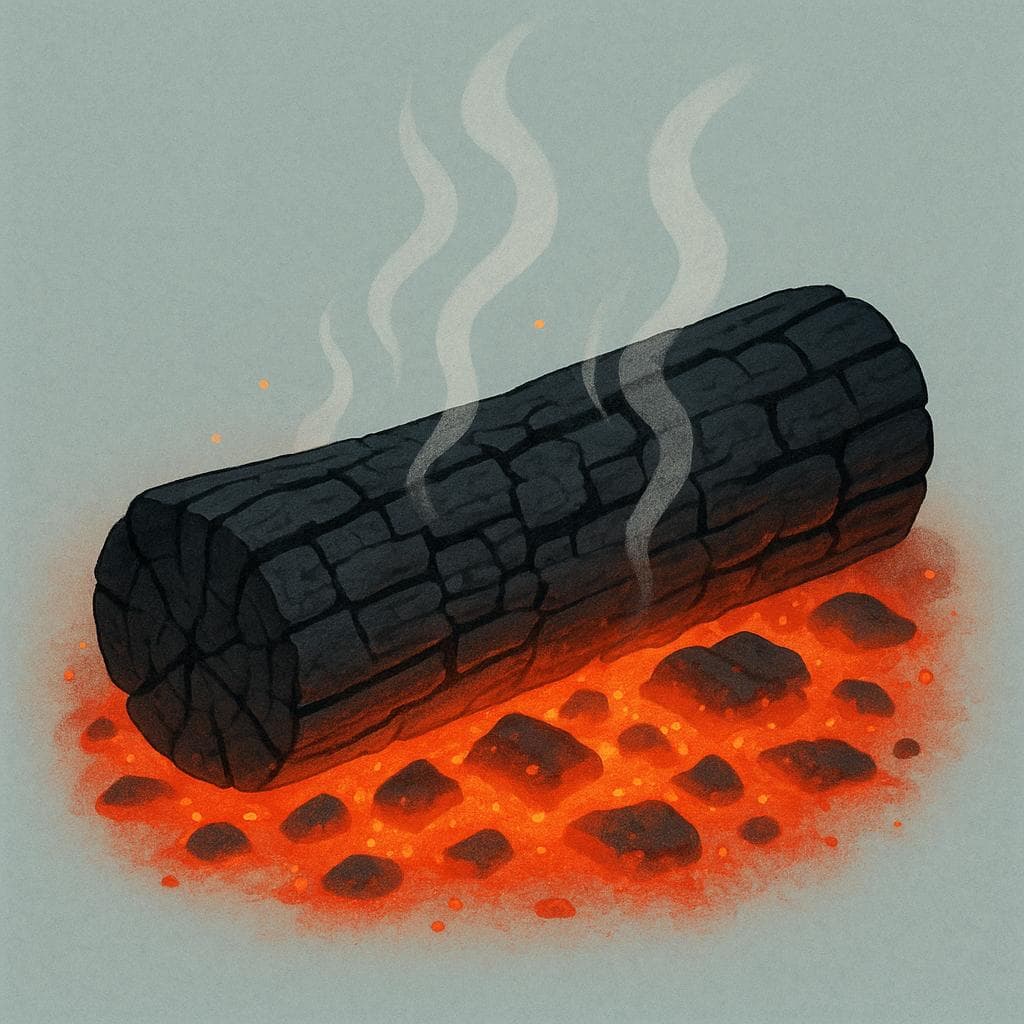


burned, set fire to
Also: incinerated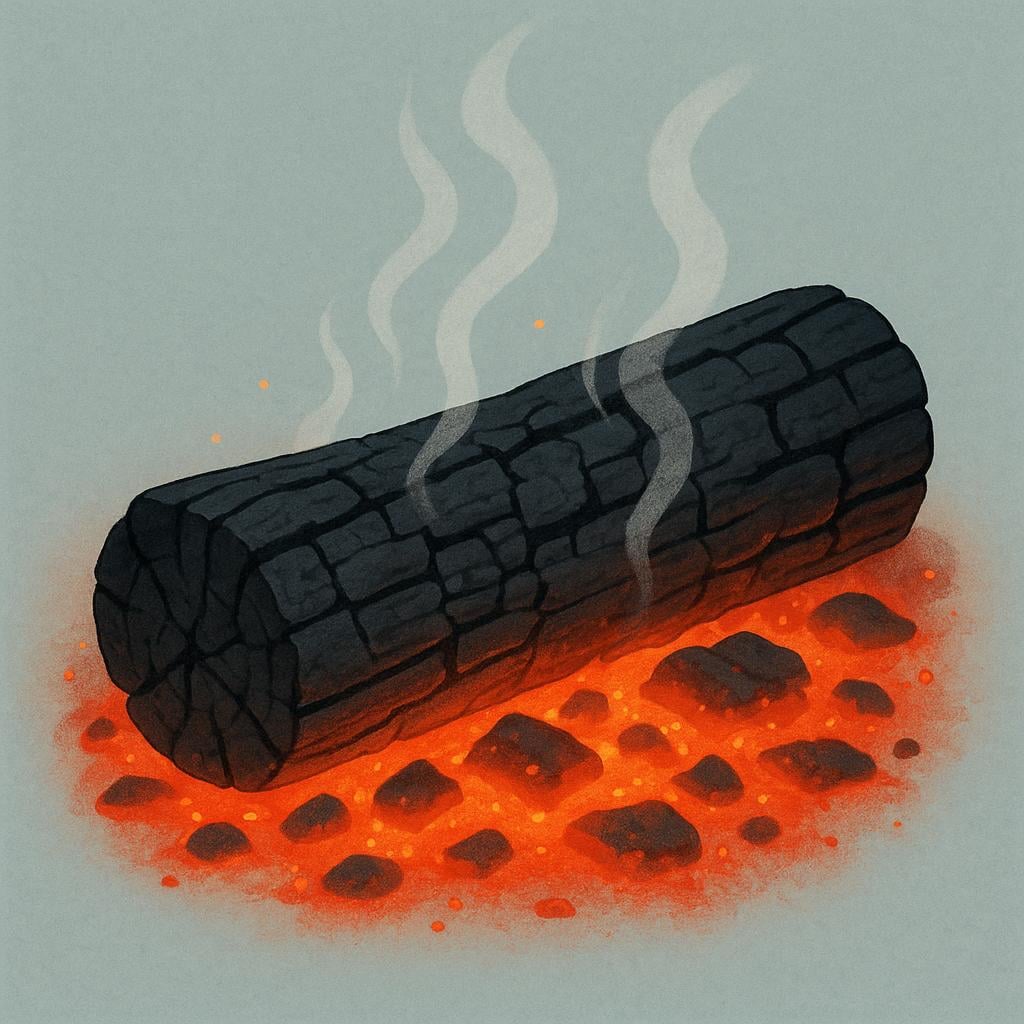
📝 In Action
El incendio quemó la casa entera.
A2The fire burned the whole house.
Mi hermana quemó el pan tostado esta mañana.
A1My sister burned the toast this morning.
¿Quién quemó todos esos papeles viejos?
B1Who burned all those old papers?
scalded, sunburned
Also: singed
📝 In Action
El sol la quemó porque no usó protector.
B1The sun burned her because she didn't use sunscreen.
Se quemó con el café que estaba hirviendo.
B2He scalded himself with the boiling coffee.
wasted, blew
Also: used up
📝 In Action
Quemó todo su sueldo en un solo día.
B2He blew his entire salary in a single day.
Ese proyecto quemó la energía de todo el equipo.
C1That project used up the entire team's energy.
🔄 Conjugations
subjunctive
imperfect
present
indicative
preterite
imperfect
present
Translate to Spanish
✏️ Quick Practice
Quick Quiz: quemó
Question 1 of 2
Which sentence uses 'quemó' to mean 'wasted'?
📚 More Resources
👥 Word Family▼
📚 Etymology▼
It comes from the Latin verb *cremare*, which meant 'to burn' or 'to cremate.' This core meaning has stayed the same for centuries.
First recorded: 11th century
Cognates (Related words)
💡 Master Spanish
Take your Spanish to the next level. Read 200+ illustrated and narrated Spanish stories tailored to your level with the Inklingo app!
Frequently Asked Questions
If I want to say 'I burned' something, is 'quemó' the right word?
No. 'Quemó' means 'he, she, or it burned.' If you want to say 'I burned,' you must use the 'yo' form of the simple past, which is 'quemé' (with an accent mark).
How do I say 'He got a sunburn' using 'quemó'?
You need to use the reflexive form: 'Él se quemó con el sol.' The 'se' indicates that the action of burning happened to the subject himself.