raza
“raza” means “race” in Spanish. It has 3 different meanings depending on context:
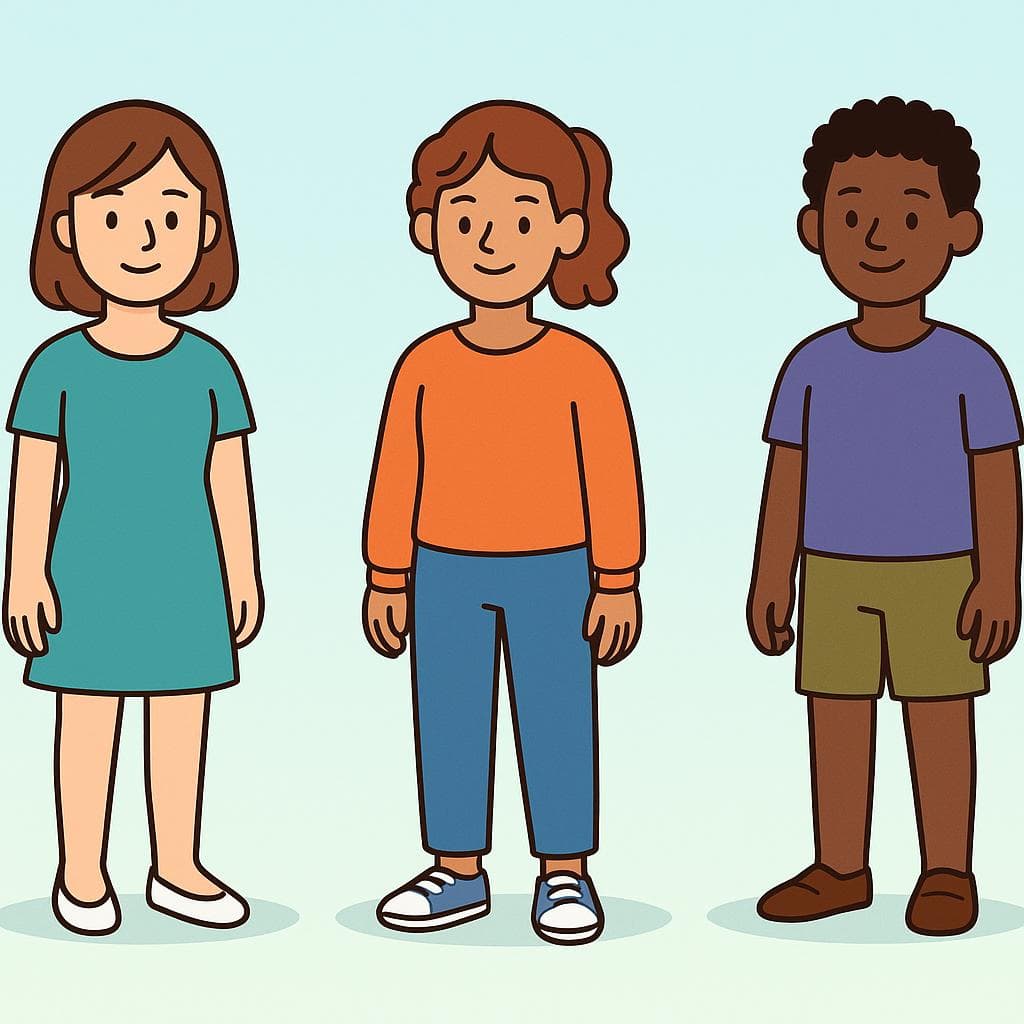

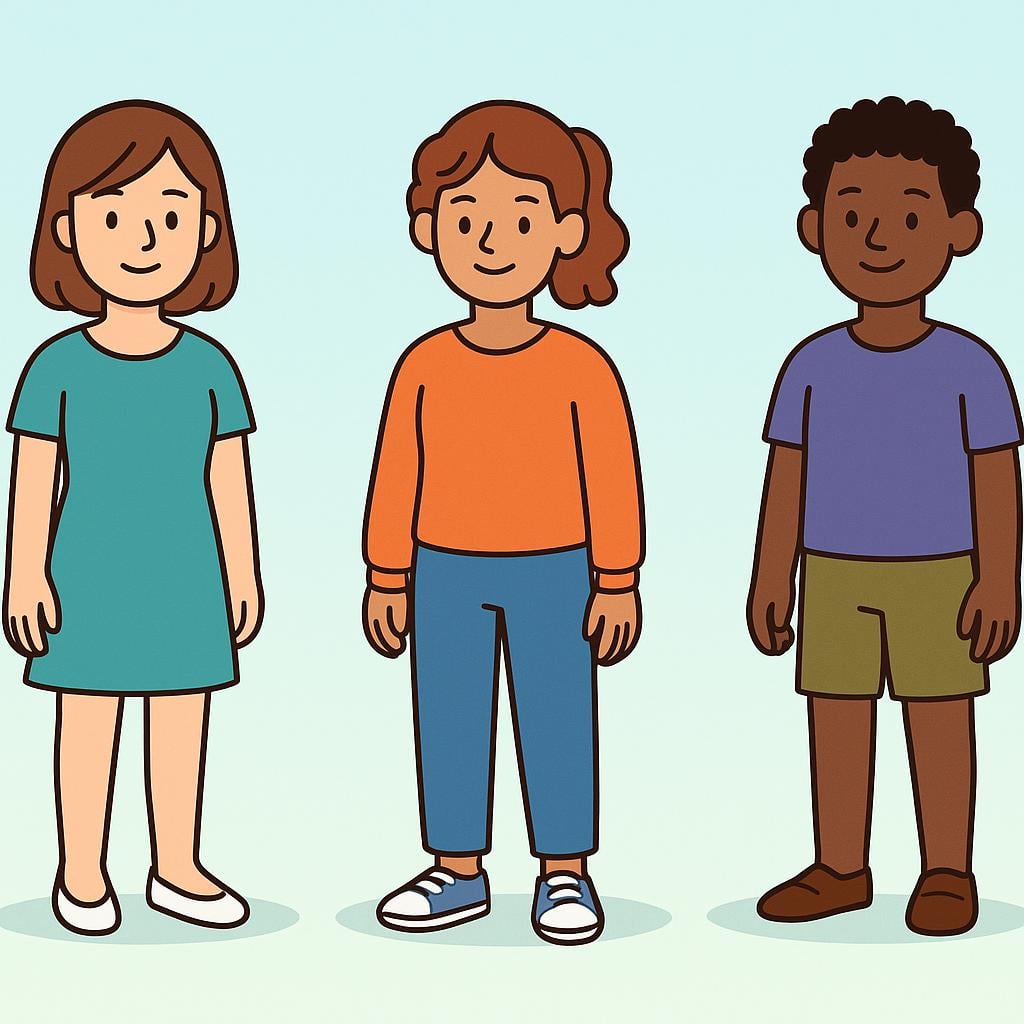
race, ethnic group
📝 In Action
La diversidad de razas en la ciudad es impresionante.
B2The diversity of ethnic groups in the city is impressive.
El museo celebra la historia de todas las razas.
C1The museum celebrates the history of all races/ethnicities.
Word Connections
breedAlso: stock, variety

📝 In Action
Mi perro es de raza pequeña.
A2My dog is a small breed.
¿Qué raza de caballo prefieres para montar?
B1What breed of horse do you prefer for riding?
Word Connections
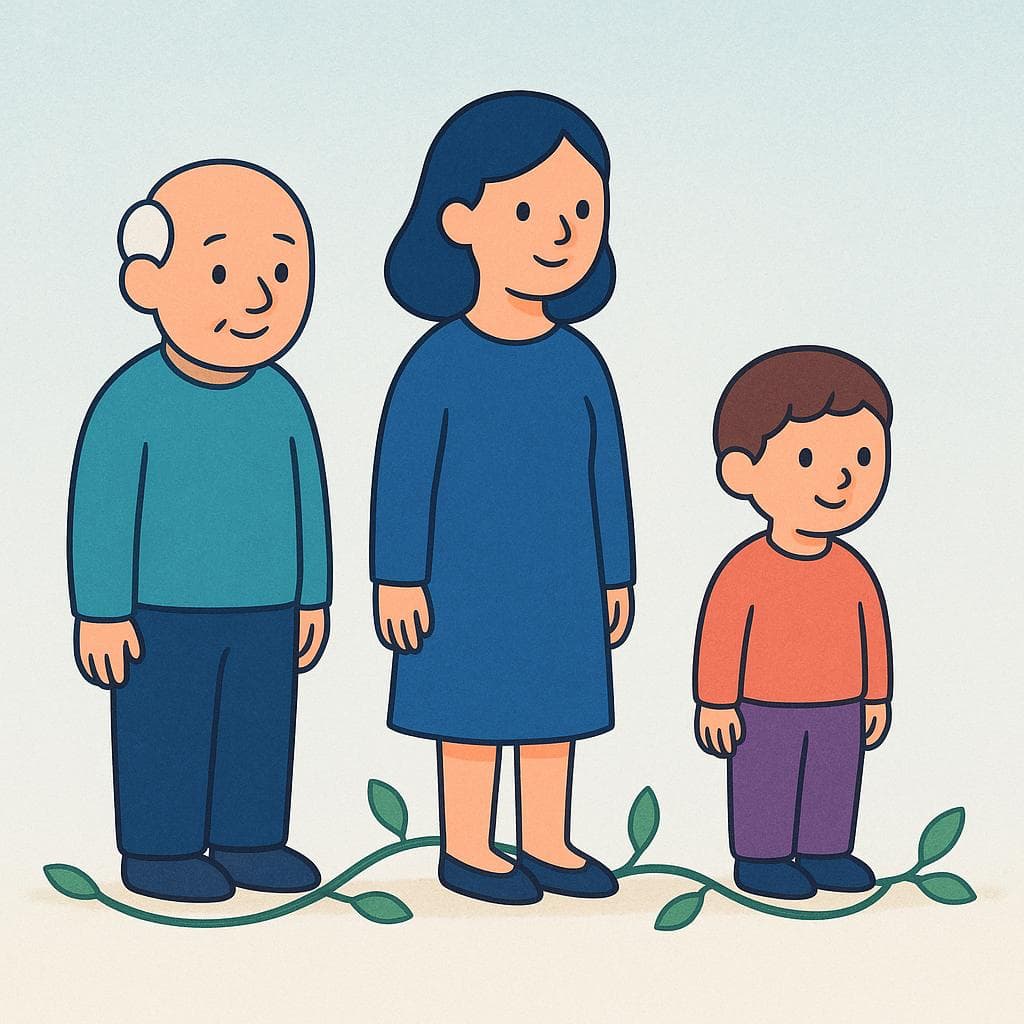
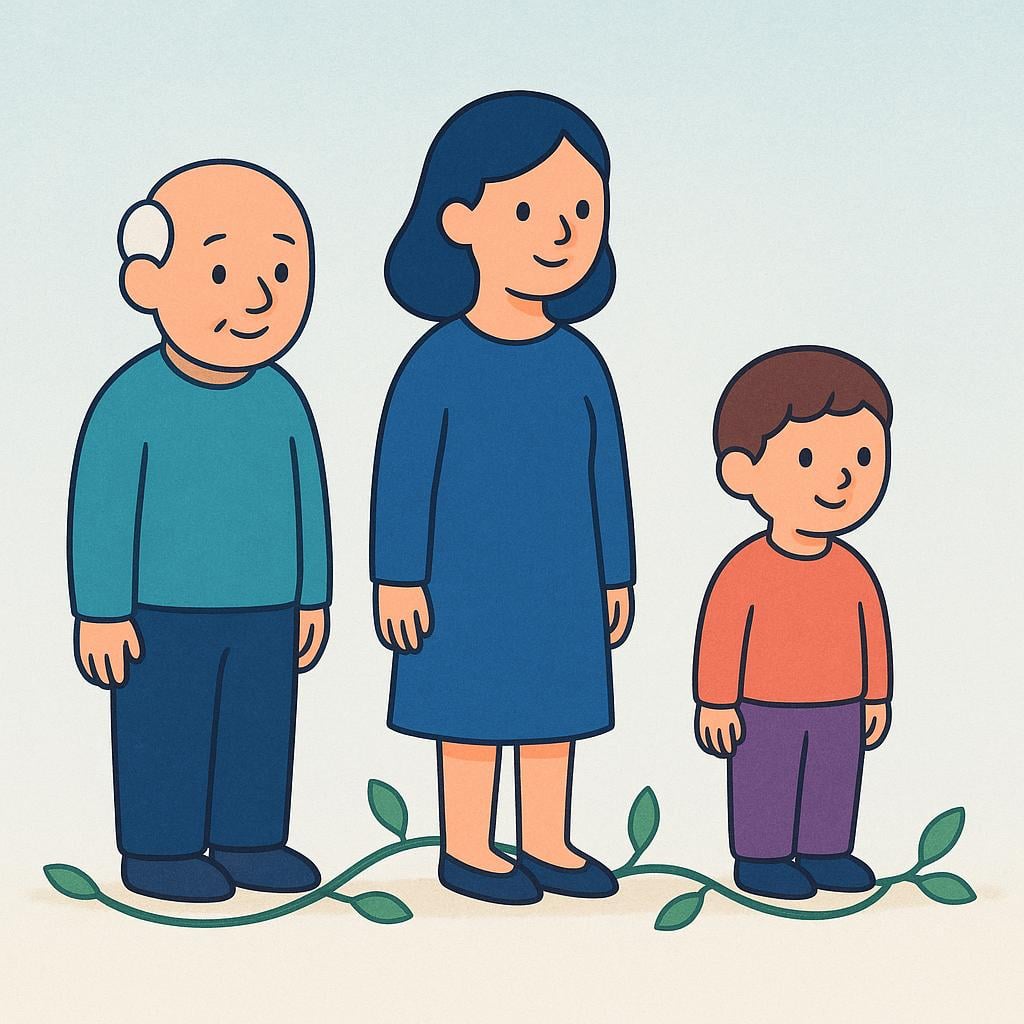
lineage, qualityAlso: character
📝 In Action
Ese vino tiene una raza excelente; es de la mejor cosecha.
C1That wine has an excellent quality/character; it's from the best harvest.
Demostró la raza de un verdadero campeón al no rendirse.
C2He showed the mettle (lineage/quality) of a true champion by not giving up.
Word Connections
Translate to Spanish
✏️ Quick Practice
Quick Quiz: raza
Question 1 of 2
Which meaning of 'raza' is used when talking about a specific type of dog?
📚 More Resources
👥 Word Family
📚 Etymology
The word comes from the older Spanish word 'raza,' which may have originated from the Latin word 'radius' (meaning 'ray' or 'line') or from Arabic roots meaning 'head' or 'origin.' It originally referred to a line of descent or a distinct type.
First recorded: 13th century
Cognates (Related words)
💡 Master Spanish
Take your Spanish to the next level. Read 200+ illustrated and narrated Spanish stories tailored to your level with the Inklingo app!
Frequently Asked Questions
Is 'raza' the best word to use when talking about human groups?
While 'raza' is understood, many Spanish speakers prefer 'etnia' (ethnicity) or 'origen' (origin) when discussing human heritage or groups, as 'raza' can sometimes be associated with outdated or problematic concepts.
Does 'raza' have a masculine form?
No, 'raza' is always a feminine noun, regardless of what it refers to. You must use 'la raza' or 'una raza'.