rebelde
“rebelde” means “rebellious” in Spanish. It has 2 different meanings depending on context:
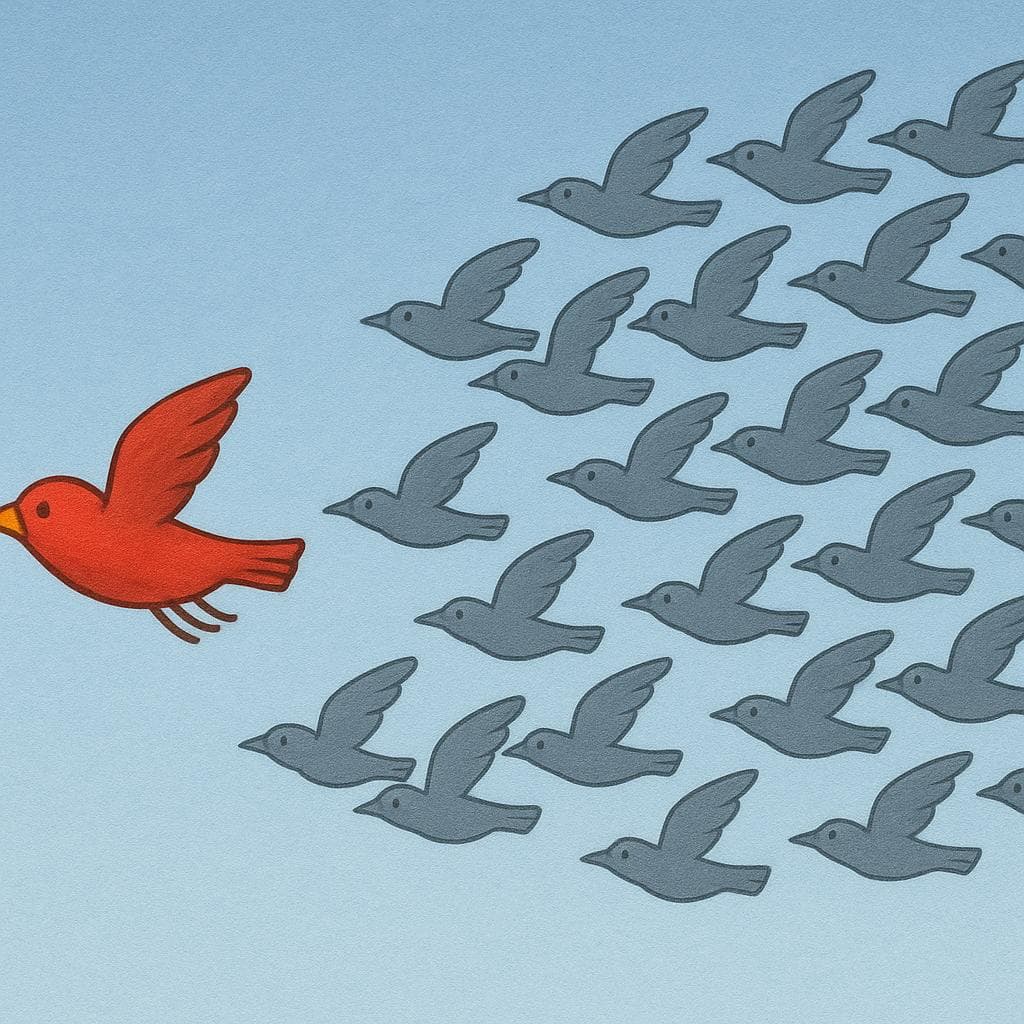

rebellious, defiant
Also: unruly, insubordinate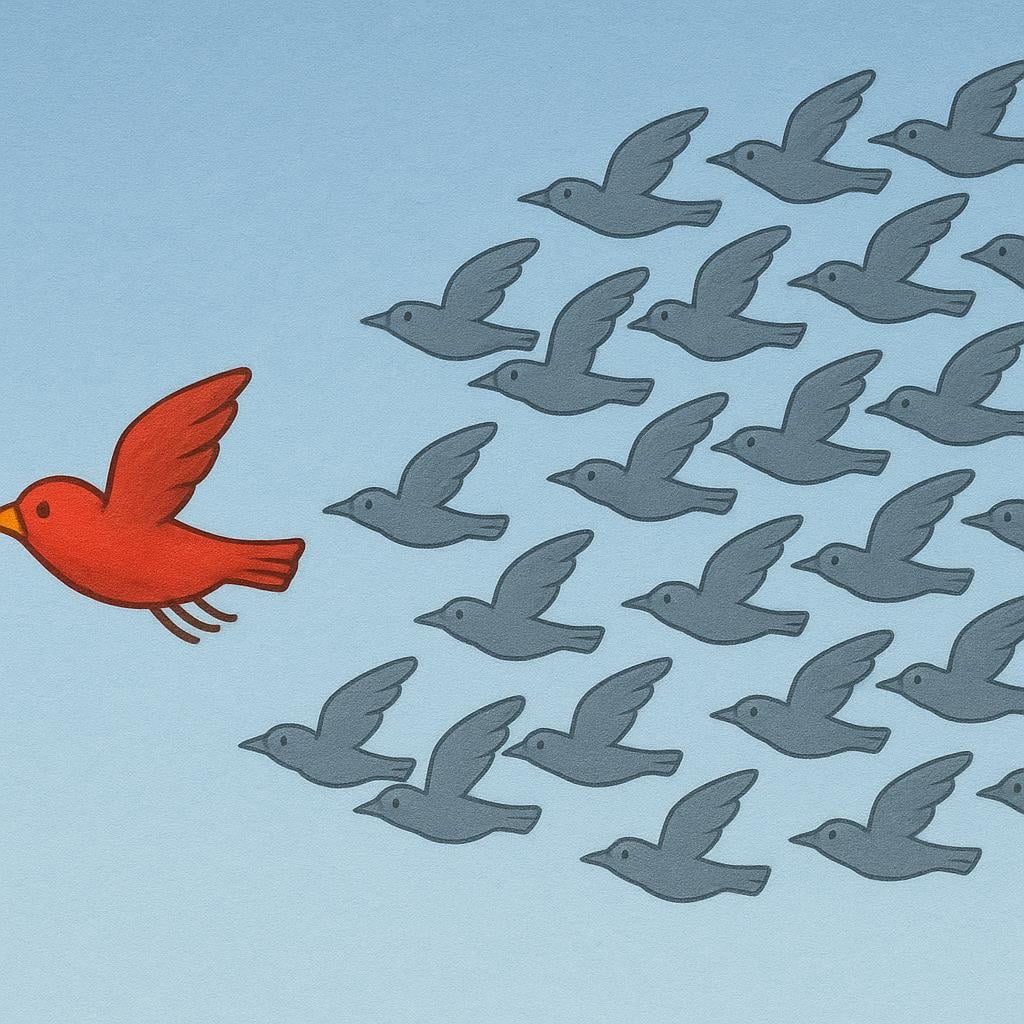
📝 In Action
Mi hijo adolescente es muy rebelde y nunca escucha.
B1My teenage son is very rebellious and never listens.
Siempre tengo el pelo rebelde por la mañana, no importa lo que haga.
B2I always have unruly hair in the morning, no matter what I do.
La decisión del país fue un acto rebelde contra las normas internacionales.
C1The country's decision was a rebellious act against international norms.
rebel
Also: insurgent
📝 In Action
El gobierno intentó negociar con los rebeldes en el sur.
B1The government tried to negotiate with the rebels in the south.
Ella es una rebelde sin causa, solo le gusta llevar la contraria.
B2She is a rebel without a cause; she just likes to contradict people.
El rebelde fue capturado después de un largo enfrentamiento.
C1The insurgent was captured after a long confrontation.
Translate to Spanish
Words that translate to "rebelde" in Spanish:
defiant→insubordinate→insurgent→rebel→rebellious→unruly→✏️ Quick Practice
Quick Quiz: rebelde
Question 1 of 1
Which sentence uses 'rebelde' to describe an object rather than a person?
📚 More Resources
👥 Word Family▼
📚 Etymology▼
The word comes from the Latin term *rebellis*, which was used to describe someone who 'renews war' or 'fights back' after having been defeated.
First recorded: 13th century
Cognates (Related words)
💡 Master Spanish
Take your Spanish to the next level. Read 200+ illustrated and narrated Spanish stories tailored to your level with the Inklingo app!
Frequently Asked Questions
Does 'rebelde' change its ending for gender?
No. 'Rebelde' is a special kind of adjective that always ends in '-e' and stays the same whether you are describing a man ('el rebelde') or a woman ('la rebelde'). You only change the word that comes before it.