rechazado
“rechazado” means “rejected” in Spanish. It has 3 different meanings depending on context:


rejected, turned downAlso: unwanted

📝 In Action
Su solicitud de visa fue rechazada por falta de documentos.
B1His visa application was rejected due to a lack of documents.
Se sintió rechazado después de la entrevista de trabajo.
B2He felt rejected after the job interview.
La propuesta rechazada será revisada la próxima semana.
B1The rejected proposal will be reviewed next week.
Word Connections
rejected
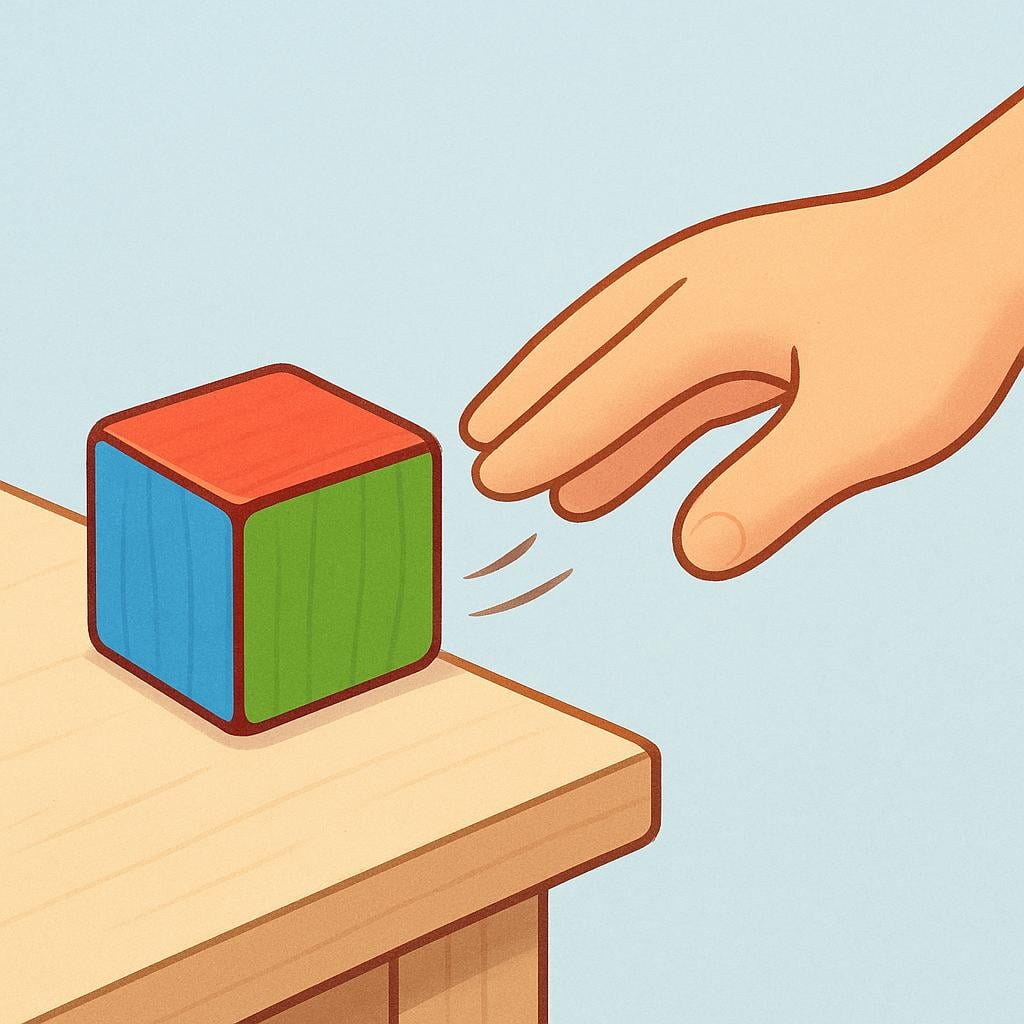
📝 In Action
Ya hemos rechazado esa oferta varias veces.
A2We have already rejected that offer several times.
El plan fue rechazado por el comité.
B1The plan was rejected by the committee.
Word Connections
reject, outcast

📝 In Action
La novela narra la vida de un rechazado social.
C1The novel recounts the life of a social outcast.
Los rechazados del grupo formaron su propio club.
C1The rejects of the group formed their own club.
Word Connections
Translate to Spanish
Words that translate to "rechazado" in Spanish:
✏️ Quick Practice
Quick Quiz: rechazado
Question 1 of 2
Which sentence uses 'rechazado' as part of a compound verb tense?
📚 More Resources
👥 Word Family
🎵 Rhymes
📚 Etymology
Formed from the verb 'rechazar' (to reject). 'Rechazar' comes from the prefix 're-' (meaning 'back' or 'again') and 'chazar,' an old Spanish word meaning 'to hunt' or 'to chase.' So, the original idea was 'to chase back' or 'to drive back,' leading to the modern meaning of 'to refuse' or 'to push away.'
First recorded: Medieval Spanish
Cognates (Related words)
💡 Master Spanish
Take your Spanish to the next level. Read 200+ illustrated and narrated Spanish stories tailored to your level with the Inklingo app!
Frequently Asked Questions
Is 'rechazado' always used with 'ser' or 'estar'?
Not always! When 'rechazado' is used to form a perfect tense (like 'I have rejected'), it must be used with 'haber' (e.g., 'he rechazado'). It's only used with 'ser' or 'estar' when acting as a descriptive adjective or in the passive voice.
What is the difference between 'rechazo' (noun) and 'rechazado' (adjective)?
'Rechazo' (the noun) means 'rejection' itself—the act or feeling. 'Rechazado' (the adjective) means 'rejected'—it describes a person or thing that experienced the rejection.