reparar
“reparar” means “to repair” in Spanish. It has 2 different meanings depending on context:
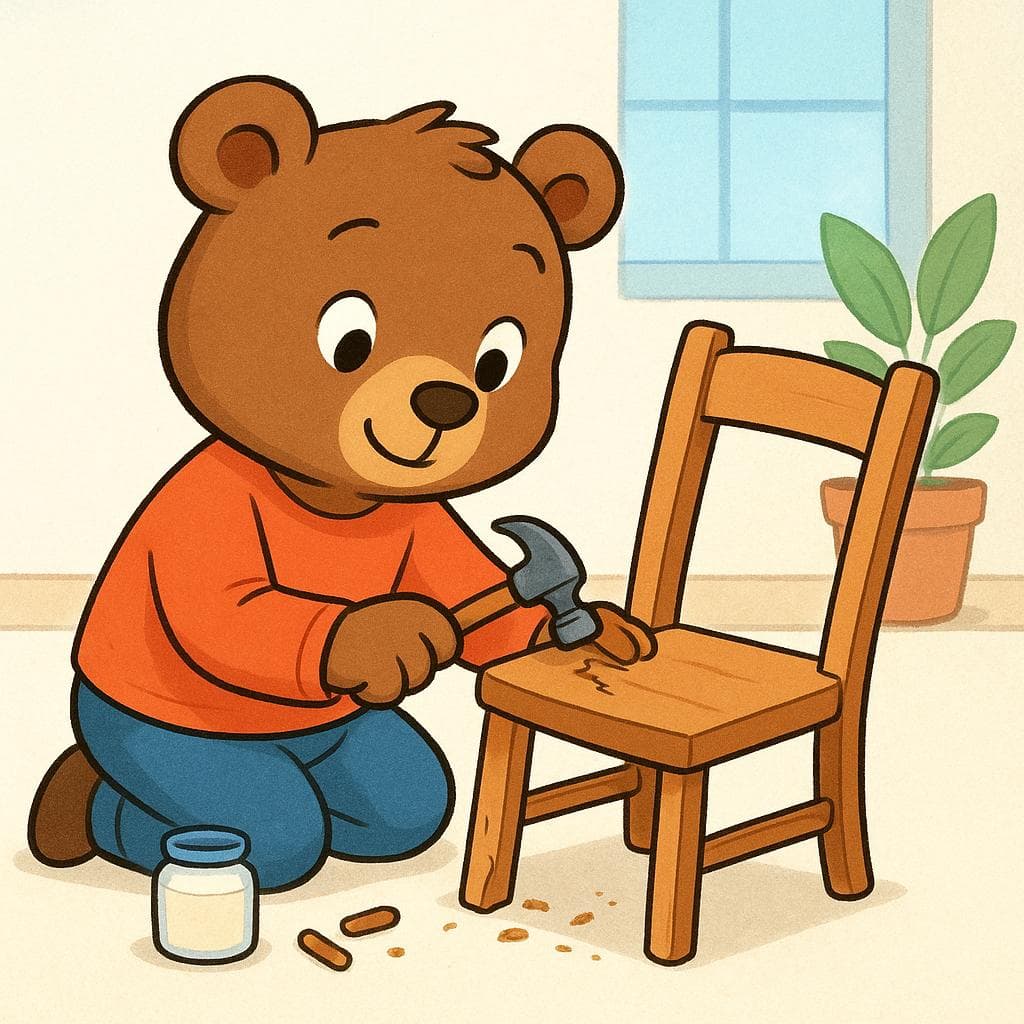

to repair, to fixAlso: to mend, to restore
📝 In Action
Necesito reparar mi coche antes del viaje.
A2I need to repair my car before the trip.
El técnico vino a reparar la lavadora esta mañana.
B1The technician came to fix the washing machine this morning.
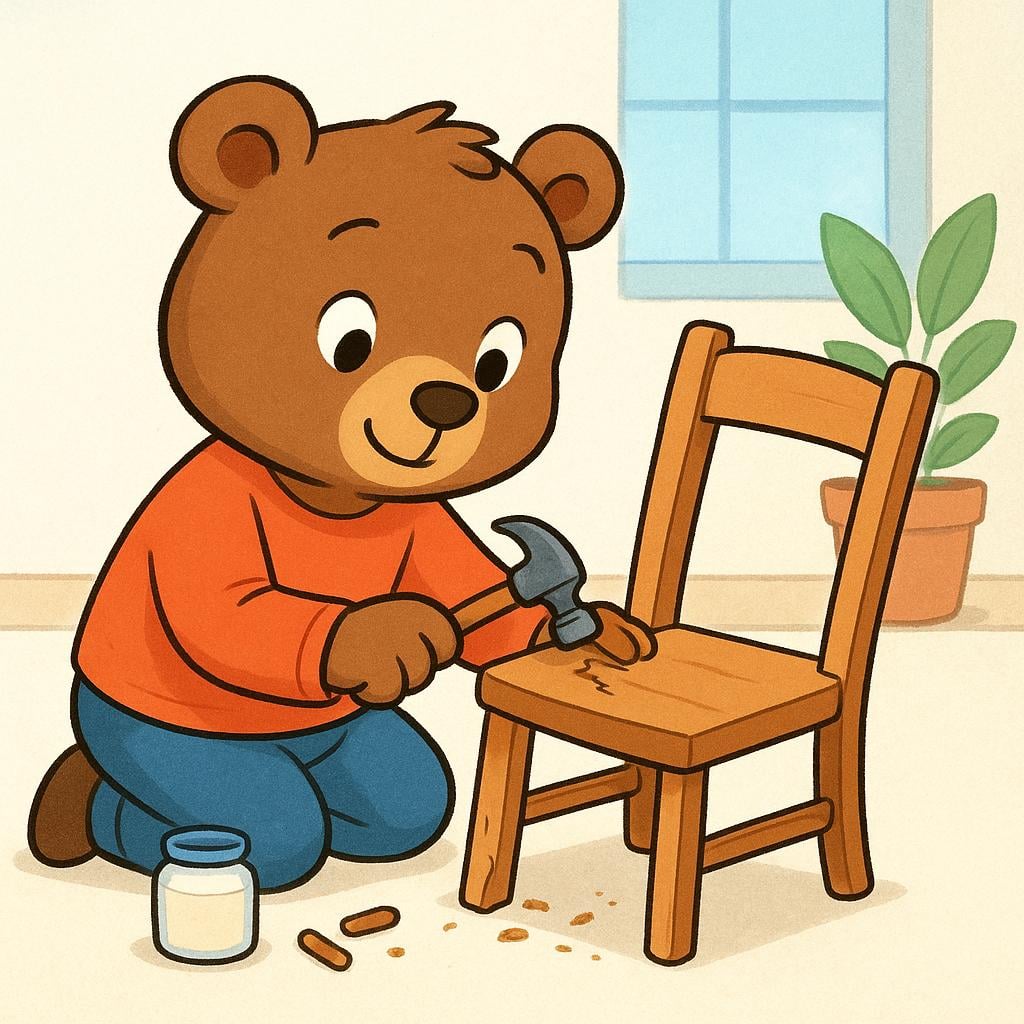
Repararon la silla rota con un poco de pegamento fuerte.
A2They mended the broken chair with some strong glue.
Word Connections
to notice, to pay attention toAlso: to observe

📝 In Action
No reparó en la ironía de sus palabras.
B2He didn't notice the irony in his words. (He didn't pay attention to it.)
Si reparas en los detalles, verás que la firma es falsa.
C1If you pay attention to the details, you will see that the signature is fake.
El director nunca repara en gastos cuando se trata de calidad.
C1The director never pays attention to (or spares) expenses when it comes to quality.
Word Connections
Indicative
Present
Imperfect
Preterite
Subjunctive
Present Subjunctive
Imperfect Subjunctive
🔀 Commonly Confused With
Translate to Spanish
Words that translate to "reparar" in Spanish:
✏️ Quick Practice
Quick Quiz: reparar
Question 1 of 2
Which sentence uses 'reparar' in its less common meaning of 'to notice'?
📚 More Resources
👥 Word Family
📚 Etymology
From the Latin verb *reparāre*, meaning 'to restore, renew, or make good again.' The root idea is taking something back (re-) and preparing it (-parare) for use, which perfectly captures the sense of fixing something broken.
First recorded: Mid-13th century
Cognates (Related words)
💡 Master Spanish
Take your Spanish to the next level. Read 200+ illustrated and narrated Spanish stories tailored to your level with the Inklingo app!
Frequently Asked Questions
What is the difference between 'reparar' and 'arreglar'?
'Reparar' is usually used when something broken is restored to its original working condition, often implying a technical fix. 'Arreglar' is a broader term meaning 'to fix,' 'to arrange,' or 'to sort out,' and can be used for objects, situations, or even getting ready ('arreglarse').
Does 'reparar' have a reflexive form?
Yes, 'repararse' can be used, though it is less common. It sometimes means 'to recover strength or health,' or simply 'to be repaired' (the object repairs itself).