revisé
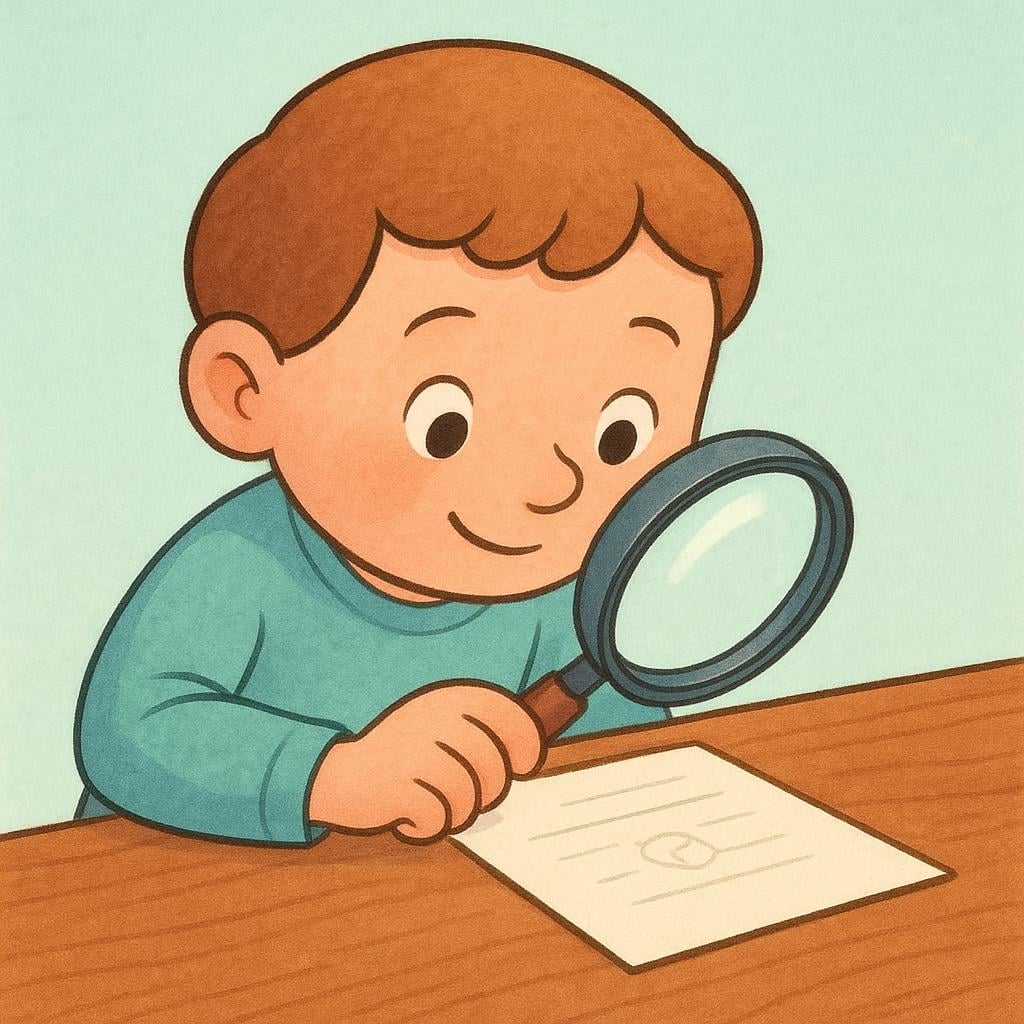
“revisé” means “I checked” in Spanish (for errors or completeness).
📝 In Action
Revisé la lista antes de ir al supermercado.
A2I checked the list before going to the supermarket.
El profesor me preguntó si revisé mi ensayo final.
B1The professor asked me if I reviewed my final essay.
Ayer revisé todos los cables para asegurar que la conexión fuera segura.
B2Yesterday I inspected all the cables to ensure the connection was safe.
Word Connections
Indicative
Preterite
Present
Imperfect
Subjunctive
Present Subjunctive
Imperfect Subjunctive
Translate to Spanish
Words that translate to "revisé" in Spanish:
✏️ Quick Practice
Quick Quiz: revisé
Question 1 of 1
Which sentence correctly uses 'revisé'?
📚 More Resources
👥 Word Family
🎵 Rhymes
📚 Etymology
The verb 'revisar' comes from the Latin prefix 're-' (meaning 'again' or 'back') combined with the verb 'visāre' (meaning 'to look at intently' or 'to see'). The original sense is literally 'to see again' or 'to look over carefully.'
First recorded: Medieval Latin
Cognates (Related words)
💡 Master Spanish
Take your Spanish to the next level. Read 200+ illustrated and narrated Spanish stories tailored to your level with the Inklingo app!
Frequently Asked Questions
What is the difference between 'revisé' and 'revisaba'?
'Revisé' is the simple past (preterite) and means 'I checked' one time, completing the action. 'Revisaba' is the descriptive past (imperfect) and means 'I was checking' (ongoing action) or 'I used to check' (repeated habit).
Why is the accent mark on 'revisé' so important?
The accent mark tells you exactly who performed the action and when. It clearly marks the 'I' form in the simple past. If you remove the accent, the word 'revise' is pronounced differently and means 'that he/she/it may review' (a special verb form used for wishes or doubts).