rezar
“rezar” means “to pray” in Spanish. It has 2 different meanings depending on context:

to pray, to say prayersAlso: to beg/plead (figurative)

📝 In Action
Todos los domingos, mi abuela va a la iglesia a rezar el rosario.
A1Every Sunday, my grandmother goes to church to pray the rosary.
Cuando estoy nervioso, siempre rezo un poco para calmarme.
A2When I'm nervous, I always pray a little bit to calm myself down.
Recé para que el examen no fuera demasiado difícil.
B1I prayed that the exam wouldn't be too difficult.
Word Connections
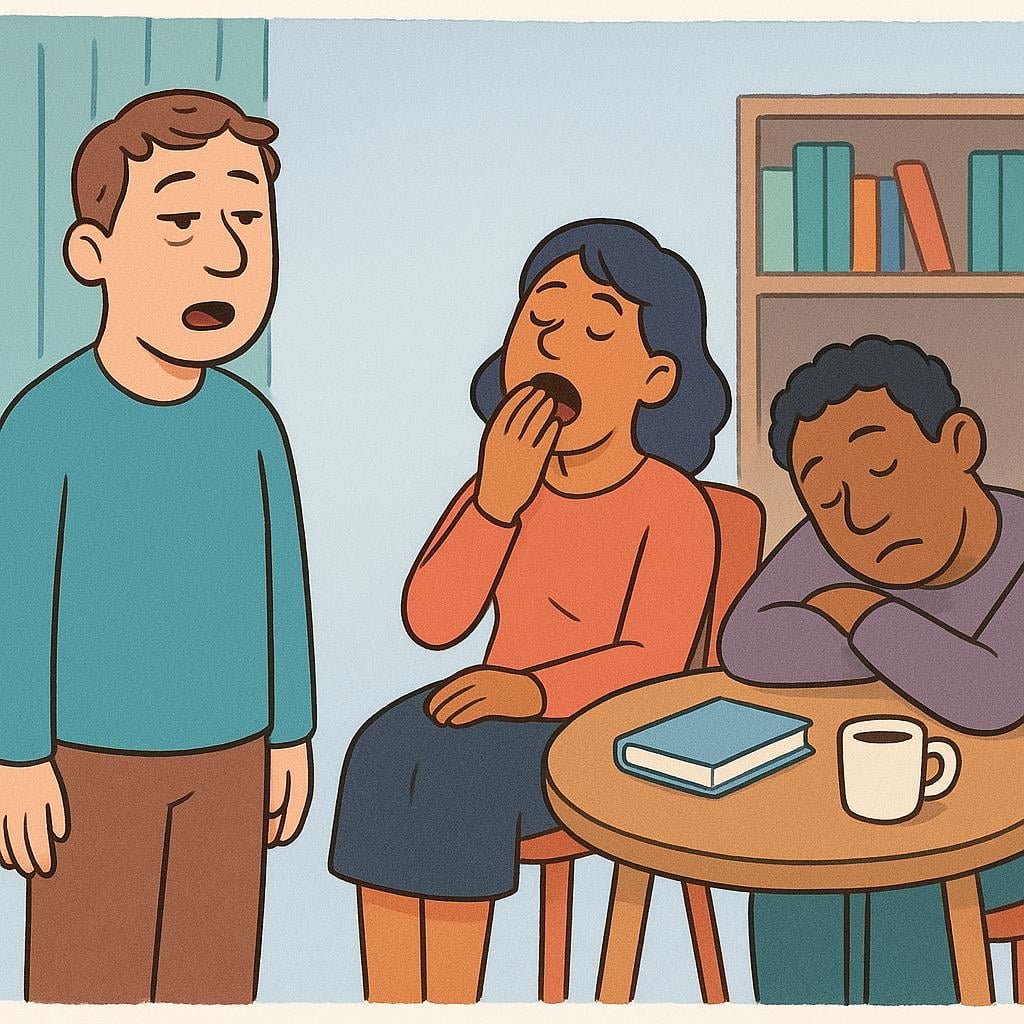
to drone on, to recite monotonouslyAlso: to repeat like a mantra
📝 In Action
El profesor rezó la lista de reglas al inicio de cada clase.
B2The professor droned on about the list of rules at the start of every class.
El abogado rezó los artículos de la ley sin ninguna emoción.
C1The lawyer recited the articles of the law without any emotion.
Word Connections
Indicative
Present
Imperfect
Preterite
Subjunctive
Present Subjunctive
Imperfect Subjunctive
Translate to Spanish
🗣️ Practice in a Tongue Twister
✏️ Quick Practice
Quick Quiz: rezar
Question 1 of 2
Which sentence uses 'rezar' in its primary, religious sense?
📚 More Resources
👥 Word Family
📚 Etymology
Comes from the Latin verb *recitare*, meaning 'to read aloud' or 'to recite.' Over time, in Spanish, the meaning narrowed specifically to the act of reciting formal prayers.
First recorded: c. 13th century
Cognates (Related words)
💡 Master Spanish
Take your Spanish to the next level. Read 200+ illustrated and narrated Spanish stories tailored to your level with the Inklingo app!
Frequently Asked Questions
Is 'rezar' the same as 'orar'?
They both mean 'to pray,' but 'rezar' usually implies reciting fixed, formal prayers (like a set ritual). 'Orar' is generally used for personal, unstructured communication, meditation, or spontaneous thoughts directed toward a deity.
Is 'rezar' a difficult verb to conjugate?
No, it is a regular -AR verb. The only slight challenge is remembering the spelling change (z to c) in the preterite 'yo' form and in all the subjunctive forms (recé, rece, recemos, etc.).