reír
“reír” means “to laugh” in Spanish. It has 2 different meanings depending on context:

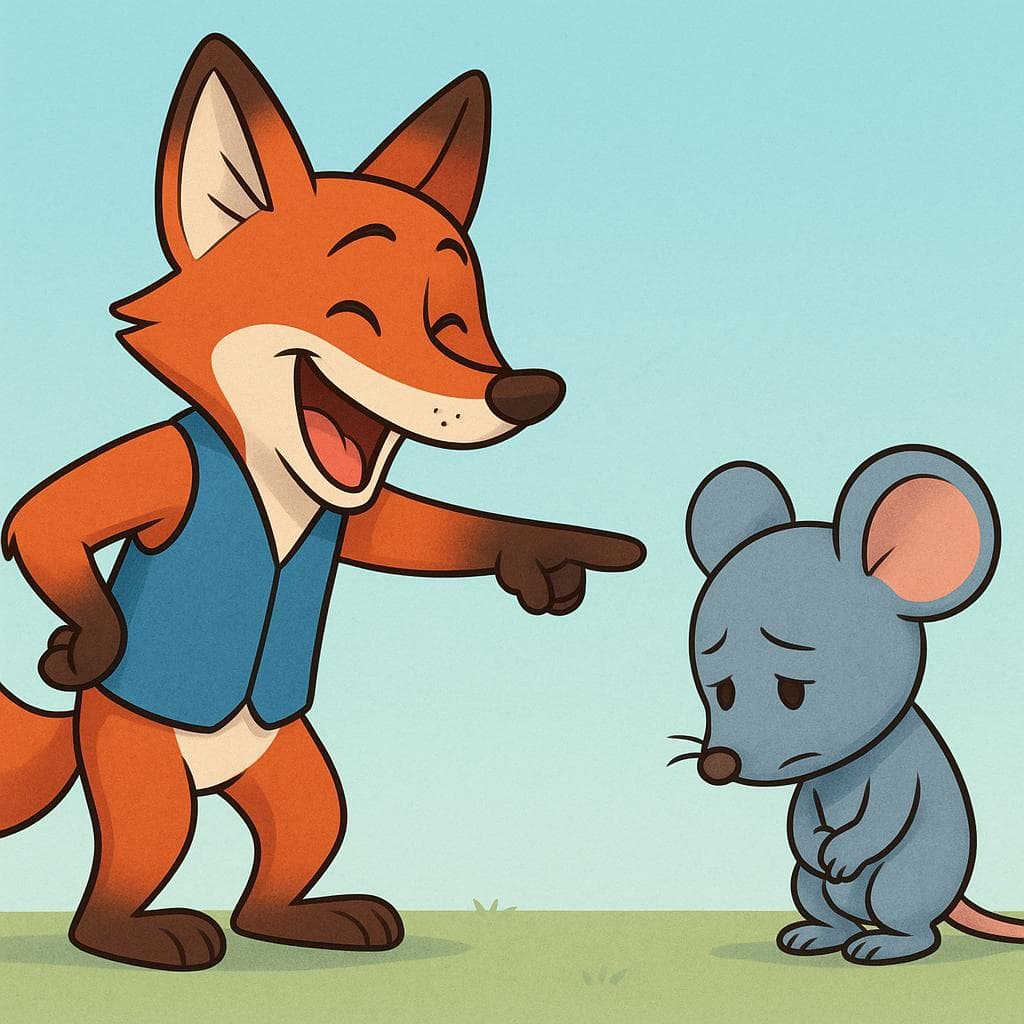
to laugh
Also: to chuckle
📝 In Action
Ella siempre ríe cuando ve esa película.
A1She always laughs when she watches that movie.
¿Por qué estás riendo? Cuéntame el chiste.
A2Why are you laughing? Tell me the joke.
Los niños empezaron a reír a carcajadas.
B1The children started to laugh out loud.
to laugh at
Also: to make fun of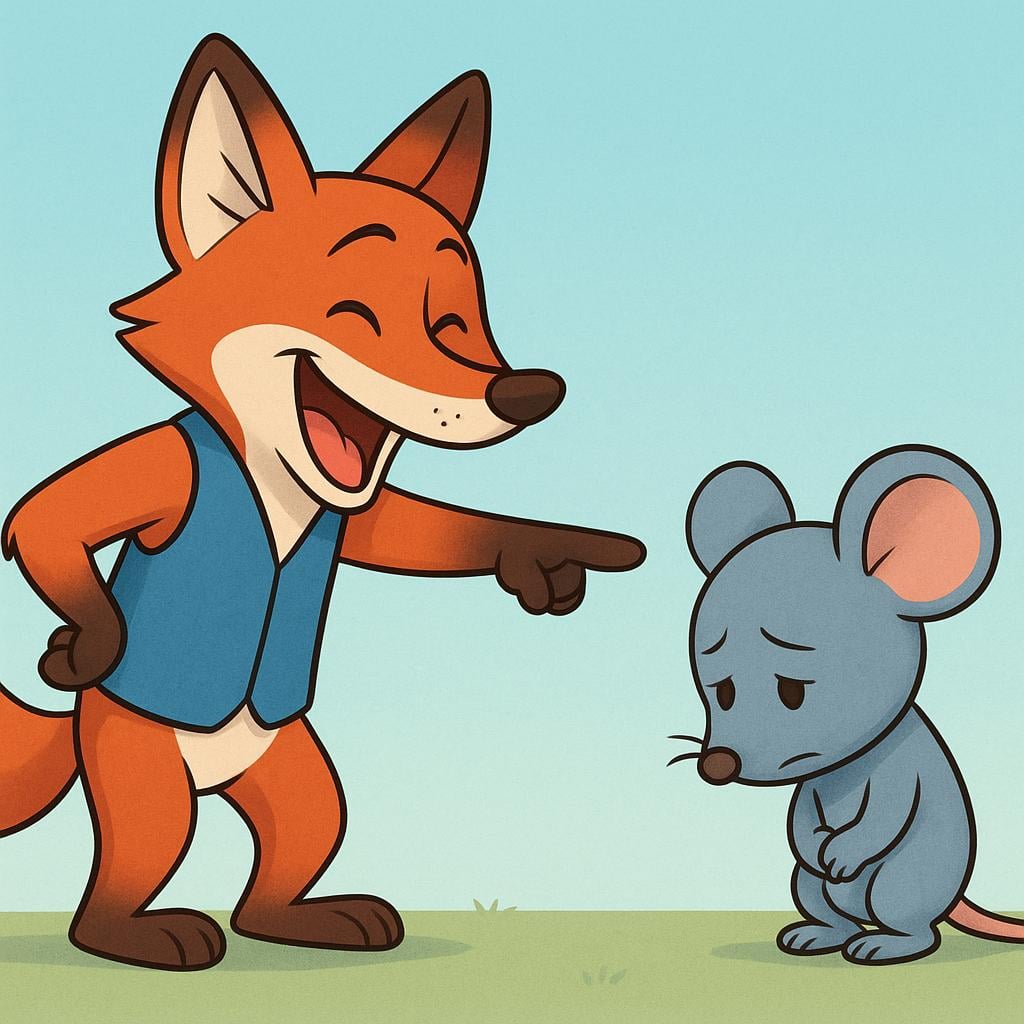
📝 In Action
No te rías de su acento; es de otro país.
B1Don't laugh at his accent; he is from another country.
Todos se rieron del político después de su error.
B2Everyone laughed at the politician after his mistake.
Me río de mis propios errores para aprender.
B1I laugh at my own mistakes to learn.
Indicative
Present
Imperfect
Preterite
Subjunctive
Present Subjunctive
Imperfect Subjunctive
🔀 Commonly Confused With
Translate to Spanish
✏️ Quick Practice
Quick Quiz: reír
Question 1 of 2
Which sentence uses the verb 'reír' in its directed, pronominal form?
📚 More Resources
👥 Word Family▼
🎵 Rhymes▼
📚 Etymology▼
Comes from the Latin verb *ridere*, meaning 'to laugh.' It is one of the oldest and most fundamental verbs in the Spanish language.
First recorded: Around the 10th century in early Romance texts.
Cognates (Related words)
💡 Master Spanish
Take your Spanish to the next level. Read 200+ illustrated and narrated Spanish stories tailored to your level with the Inklingo app!
Frequently Asked Questions
Why does 'reír' have an accent mark on the 'í'?
The accent mark is used to break up the vowel combination, ensuring that 'e' and 'í' are pronounced as two separate syllables (reh-EER) rather than blending them into a single diphthong sound.
What is the difference between 'reír' and 'sonreír'?
'Reír' means to laugh (making noise), while 'sonreír' means to smile (quietly showing amusement with the mouth).