ritmo
“ritmo” means “rhythm” in Spanish. It has 2 different meanings depending on context:
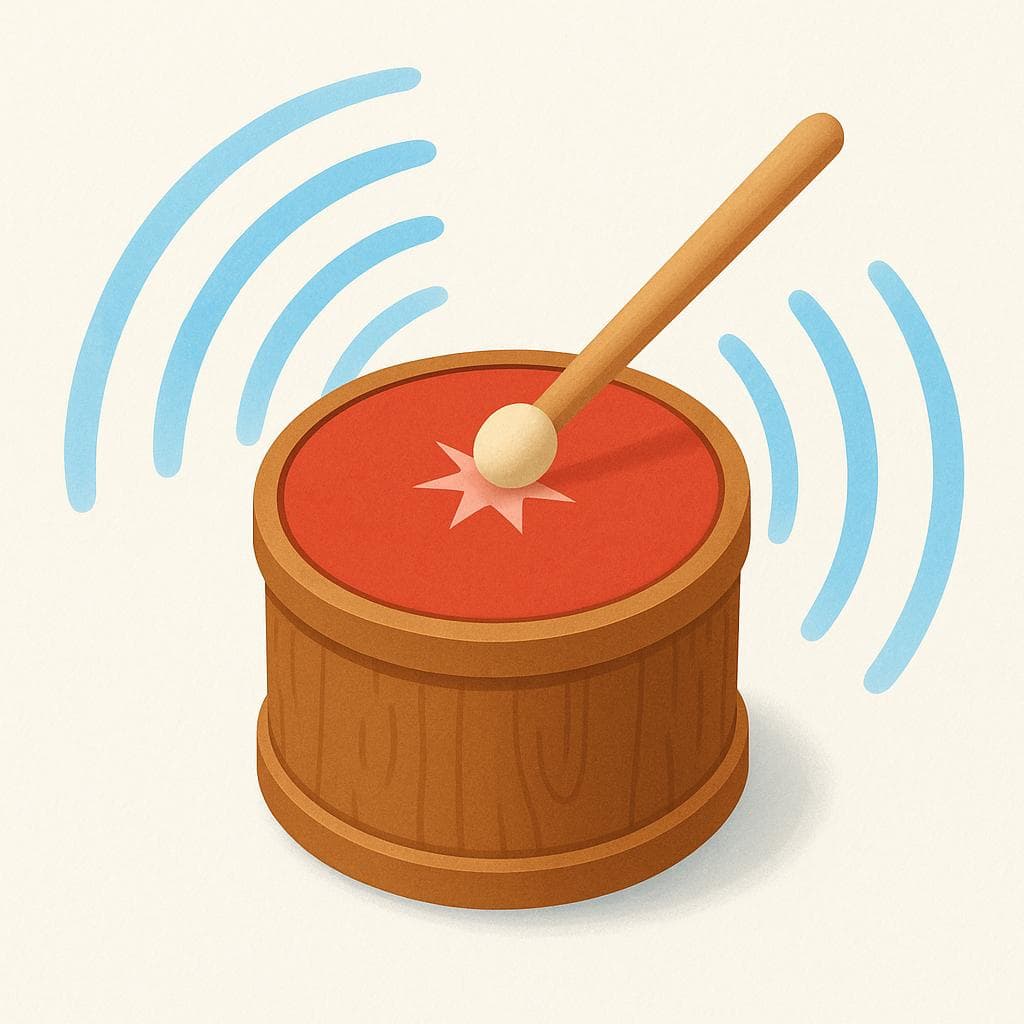

rhythm, beat
Also: tempo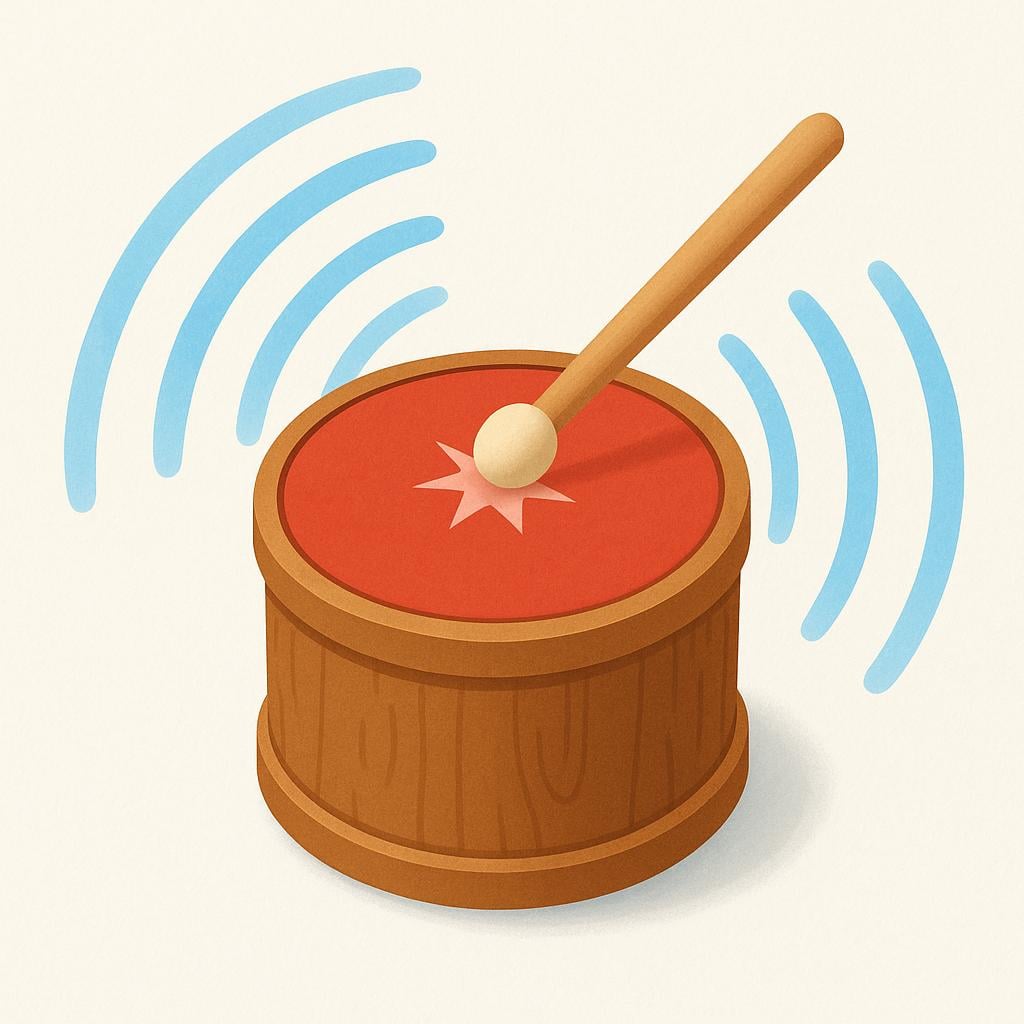
📝 In Action
Me encanta el ritmo de la música latina; es muy contagioso.
A1I love the rhythm of Latin music; it's very contagious.
Perdí el ritmo y no pude seguir bailando.
A2I lost the beat and couldn't keep dancing.
El baterista mantuvo un ritmo constante durante toda la canción.
B1The drummer kept a steady rhythm throughout the whole song.
pace, rate
Also: speed
📝 In Action
Estamos trabajando a un ritmo muy rápido para terminar el proyecto a tiempo.
B1We are working at a very fast pace to finish the project on time.
Necesitas reducir el ritmo si quieres terminar la carrera.
B1You need to slow down the pace if you want to finish the race.
El ritmo de vida en la ciudad es agotador.
B2The pace of life in the city is exhausting.
✏️ Quick Practice
Quick Quiz: ritmo
Question 1 of 1
Which sentence uses 'ritmo' to mean 'pace' or 'speed of progress' rather than 'musical beat'?
📚 More Resources
👥 Word Family▼
🎵 Rhymes▼
📚 Etymology▼
The word 'ritmo' comes from the ancient Greek word *rhythmós* (ῥυθμός), which originally meant 'flow,' 'measure,' or 'proportion.' It passed through Latin and arrived in Spanish, keeping its core meaning related to measured movement.
First recorded: 15th century
Cognates (Related words)
💡 Master Spanish
Take your Spanish to the next level. Read 200+ illustrated and narrated Spanish stories tailored to your level with the Inklingo app!
Frequently Asked Questions
Why is 'ritmo' masculine, since many Spanish nouns ending in -a are feminine?
'Ritmo' is masculine (el ritmo) because it comes from a group of Greek nouns that end in -ma or -mo, which are traditionally masculine in Spanish. Other examples of this pattern are 'el problema' and 'el clima'.