rival
“rival” means “rival” in Spanish. It has 2 different meanings depending on context:

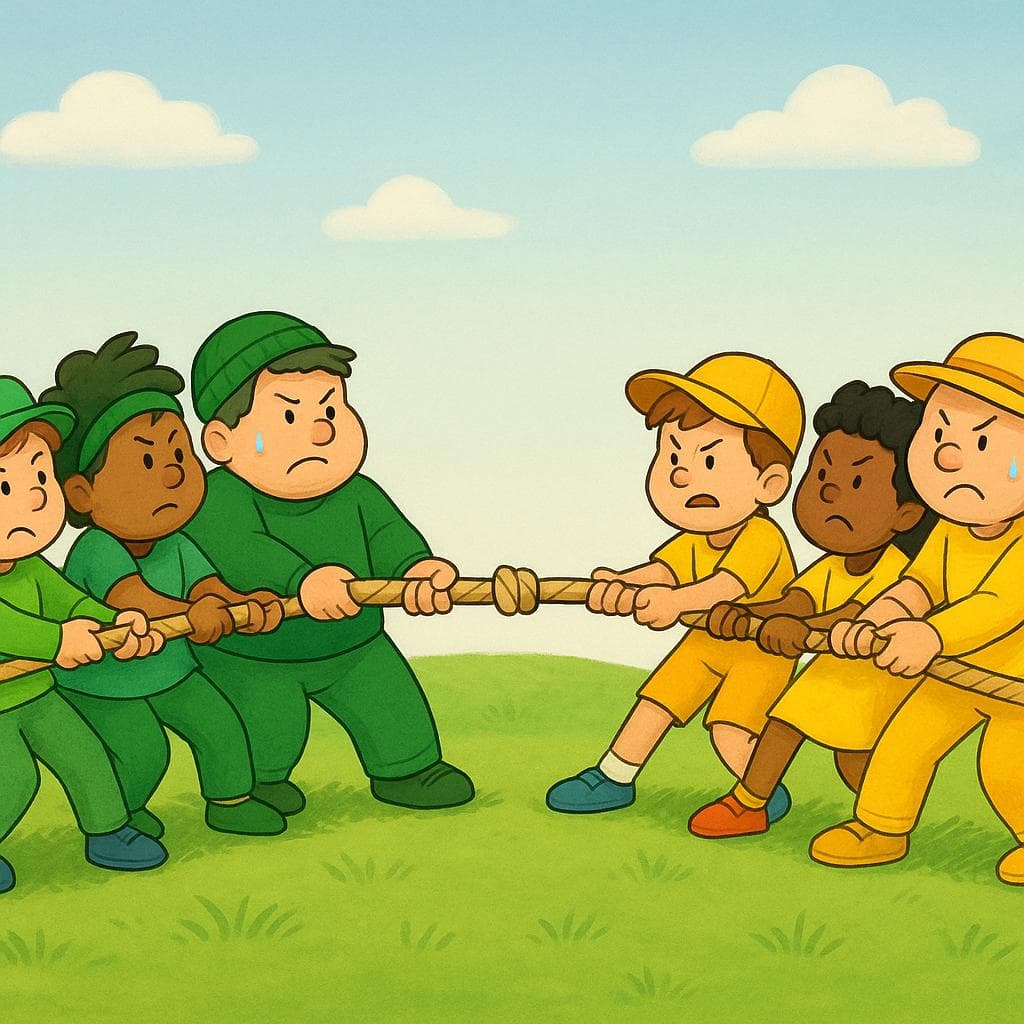
rival
Also: opponent, competitor
📝 In Action
El equipo perdió contra su rival directo en la final.
A2The team lost against their direct rival in the final.
Ella es mi rival principal por el puesto de trabajo.
B1She is my main competitor for the job position.
Los dos países han sido rivales históricos.
B1The two countries have been historical rivals.
rival
Also: opposing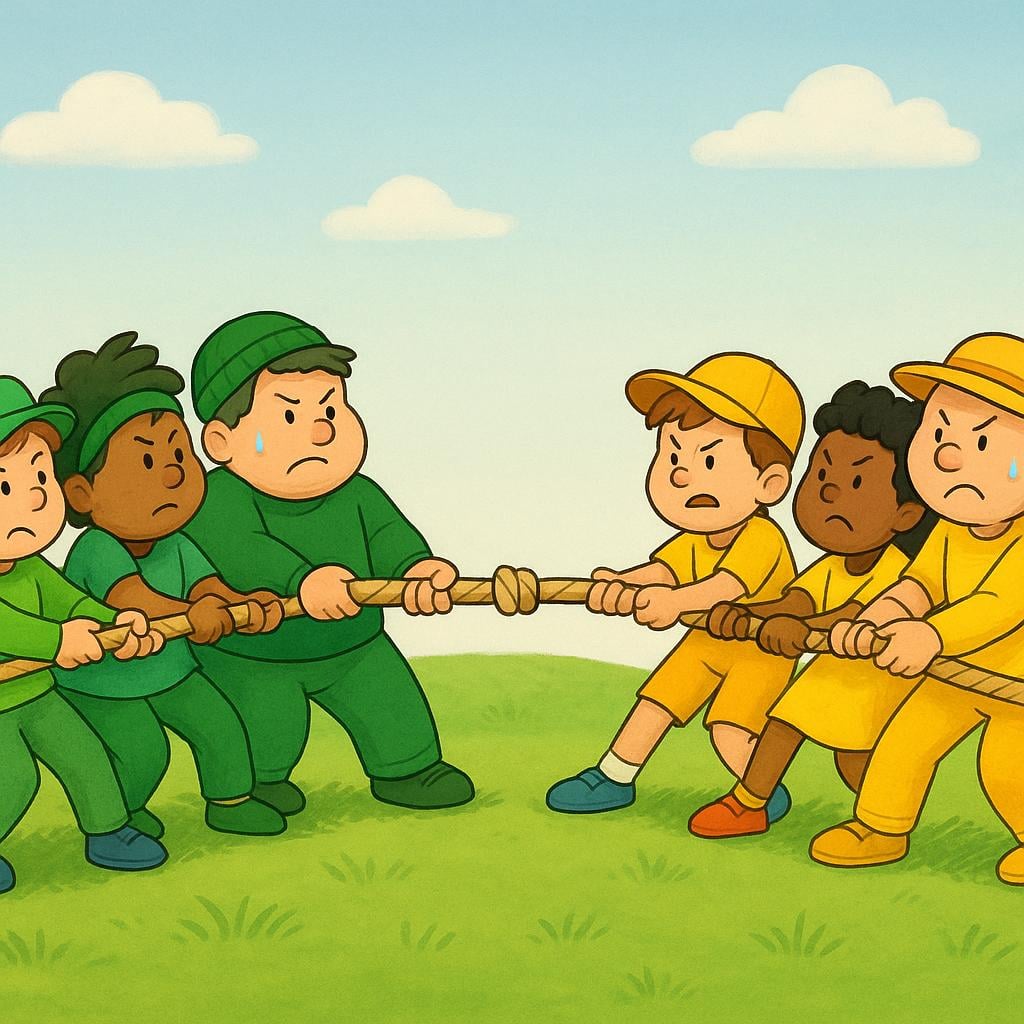
📝 In Action
La empresa lanzó un producto rival para capturar ese mercado.
B1The company launched a rival product to capture that market.
Tuvimos que analizar la estrategia rival antes del debate.
B2We had to analyze the opposing strategy before the debate.
Las fuerzas rivales se enfrentaron en la frontera.
C1The rival forces faced each other at the border.
Translate to Spanish
✏️ Quick Practice
Quick Quiz: rival
Question 1 of 2
Which sentence correctly uses 'rival' as an adjective?
📚 More Resources
👥 Word Family▼
📚 Etymology▼
The word comes from the Latin *rivalis*, which literally meant someone who used the same stream or river (*rivus*) as another person. Because they were sharing a vital resource, they were often in competition or opposition!
First recorded: 13th century
Cognates (Related words)
💡 Master Spanish
Take your Spanish to the next level. Read 200+ illustrated and narrated Spanish stories tailored to your level with the Inklingo app!
Frequently Asked Questions
Does 'rival' change its ending for male or female competitors?
No. The word 'rival' itself is the same whether you are talking about a man or a woman. You only change the word that comes before it (the article): 'el rival' (the male competitor) or 'la rival' (the female competitor).