rodillas
“rodillas” means “knees” in Spanish (body part).
knees
Also: lap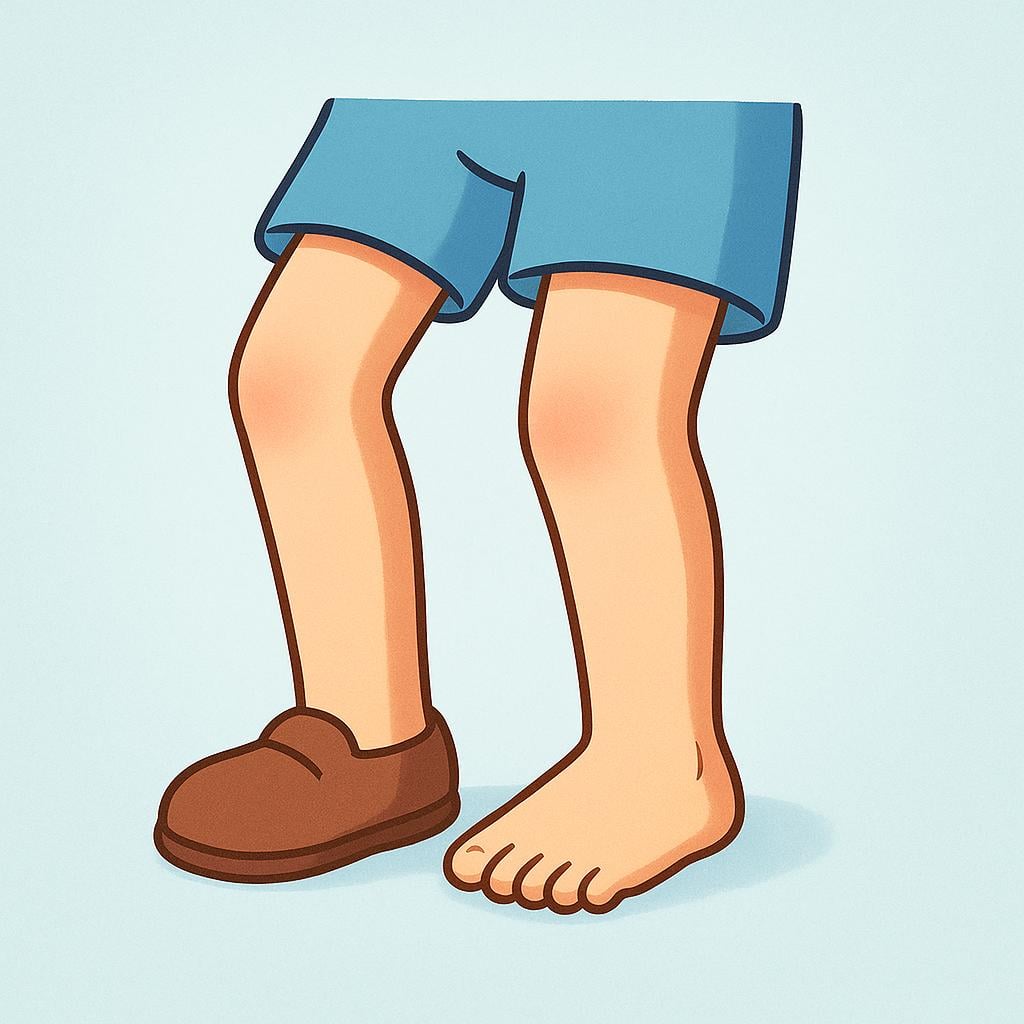
📝 In Action
Me golpeé las rodillas jugando al fútbol.
A1I hit my knees playing soccer.
El bebé se sentó en las rodillas de su madre.
A2The baby sat on his mother's lap.
Se puso de rodillas para pedir perdón.
B1He got down on his knees to ask for forgiveness.
✏️ Quick Practice
Quick Quiz: rodillas
Question 1 of 1
Which phrase correctly means 'He knelt down'?
📚 More Resources
👥 Word Family▼
📚 Etymology▼
This word comes from the Latin term *rotella*, which literally meant 'little wheel' or 'small round thing.' This name was given because the kneecap (the bone on the knee) is round and resembles a small wheel.
First recorded: Medieval Spanish
Cognates (Related words)
💡 Master Spanish
Take your Spanish to the next level. Read 200+ illustrated and narrated Spanish stories tailored to your level with the Inklingo app!
Frequently Asked Questions
How do I say 'My knee hurts' in Spanish?
You should use the singular form: 'Me duele la rodilla.' Remember that Spanish often uses a construction that means 'The knee hurts me,' rather than 'My knee hurts.'