romanos
“romanos” means “Roman” in Spanish. It has 2 different meanings depending on context:

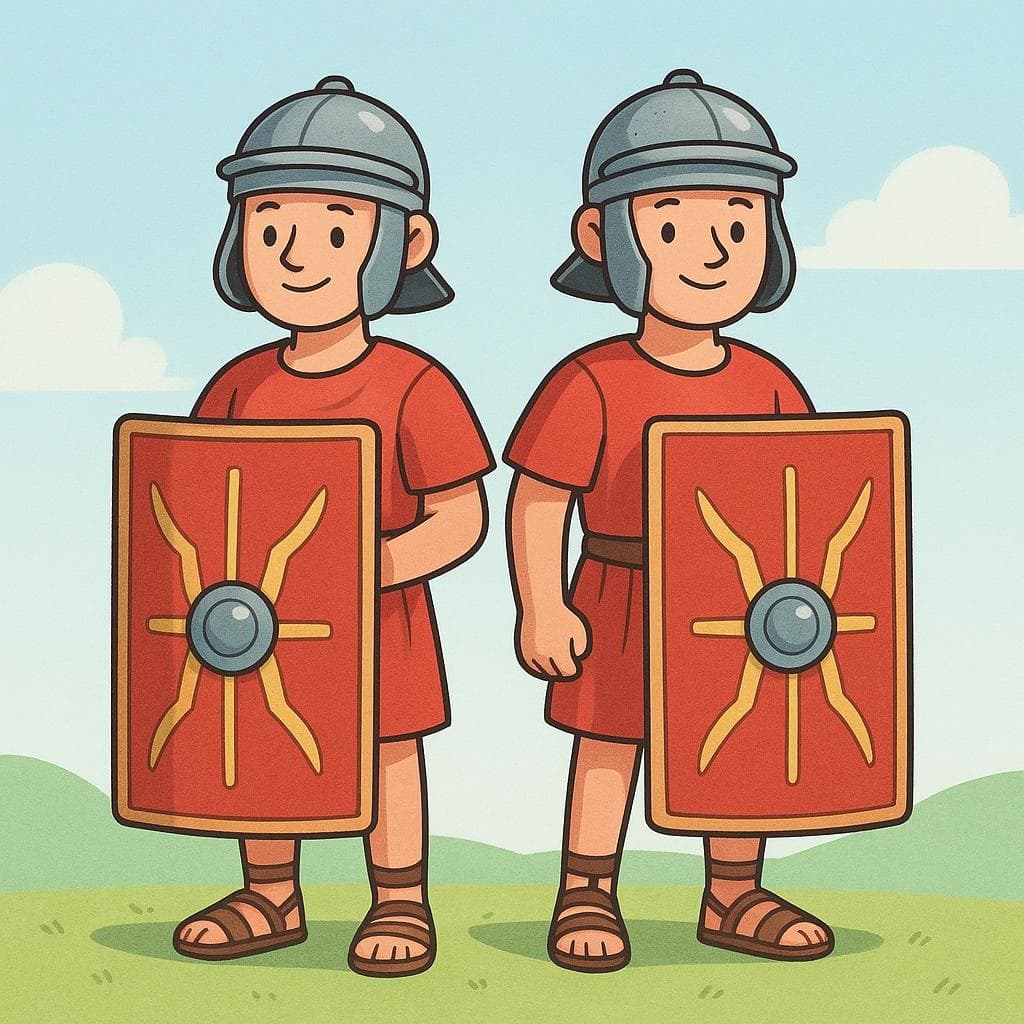
Roman
Also: relating to Rome
📝 In Action
Los números romanos se usan a menudo en los relojes antiguos.
B1Roman numerals are often used on old clocks.
Estudiamos los antiguos rituales romanos en clase de historia.
B1We studied the ancient Roman rituals in history class.
Estos arcos romanos son impresionantes.
A2These Roman arches are impressive.
Romans
Also: natives of Rome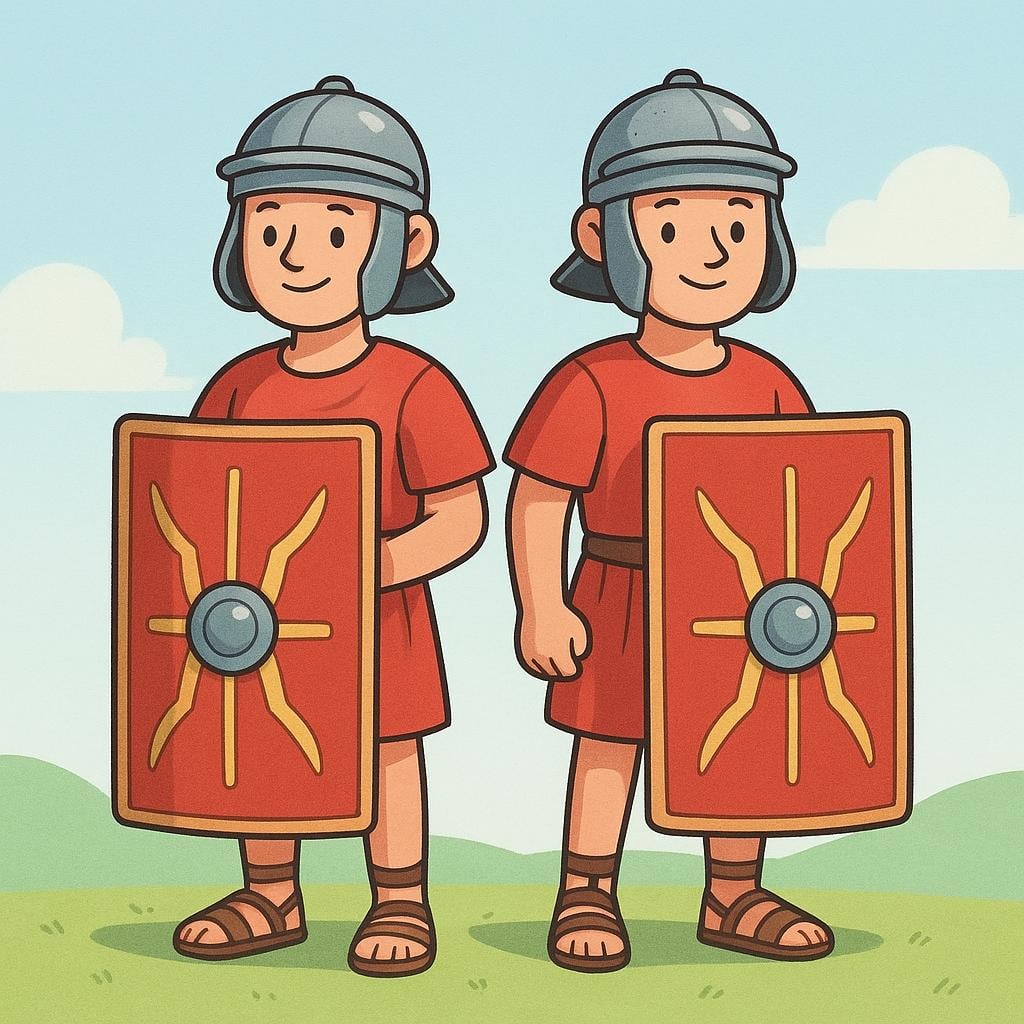
📝 In Action
Los romanos construyeron un imperio que duró siglos.
A2The Romans built an empire that lasted centuries.
Muchos romanos modernos hablan italiano y dialectos locales.
B1Many modern Romans speak Italian and local dialects.
Los primeros romanos eran agricultores y soldados.
A2The first Romans were farmers and soldiers.
Translate to Spanish
Words that translate to "romanos" in Spanish:
romans→✏️ Quick Practice
Quick Quiz: romanos
Question 1 of 2
Which sentence correctly uses 'romanos' as an adjective?
📚 More Resources
👥 Word Family▼
📚 Etymology▼
The word comes directly from the Latin word *Romānus*, meaning 'of Rome'.
First recorded: Used in Spanish since the earliest development of the language, reflecting the importance of the Roman legacy.
Cognates (Related words)
💡 Master Spanish
Take your Spanish to the next level. Read 200+ illustrated and narrated Spanish stories tailored to your level with the Inklingo app!
Frequently Asked Questions
Why is 'romanos' sometimes capitalized and sometimes not?
In Spanish, words referring to nationality or origin (like 'romano') are generally written in lowercase. You only capitalize it if it's the start of a sentence or part of a proper noun (like the name of an organization or a specific historical period).
How do I know if 'romanos' means the people or just describes something?
If it has the article 'los' right before it ('Los romanos'), it almost always means the people (The Romans). If it follows another noun ('teatros romanos'), it is describing that thing (Roman theaters).