ropa
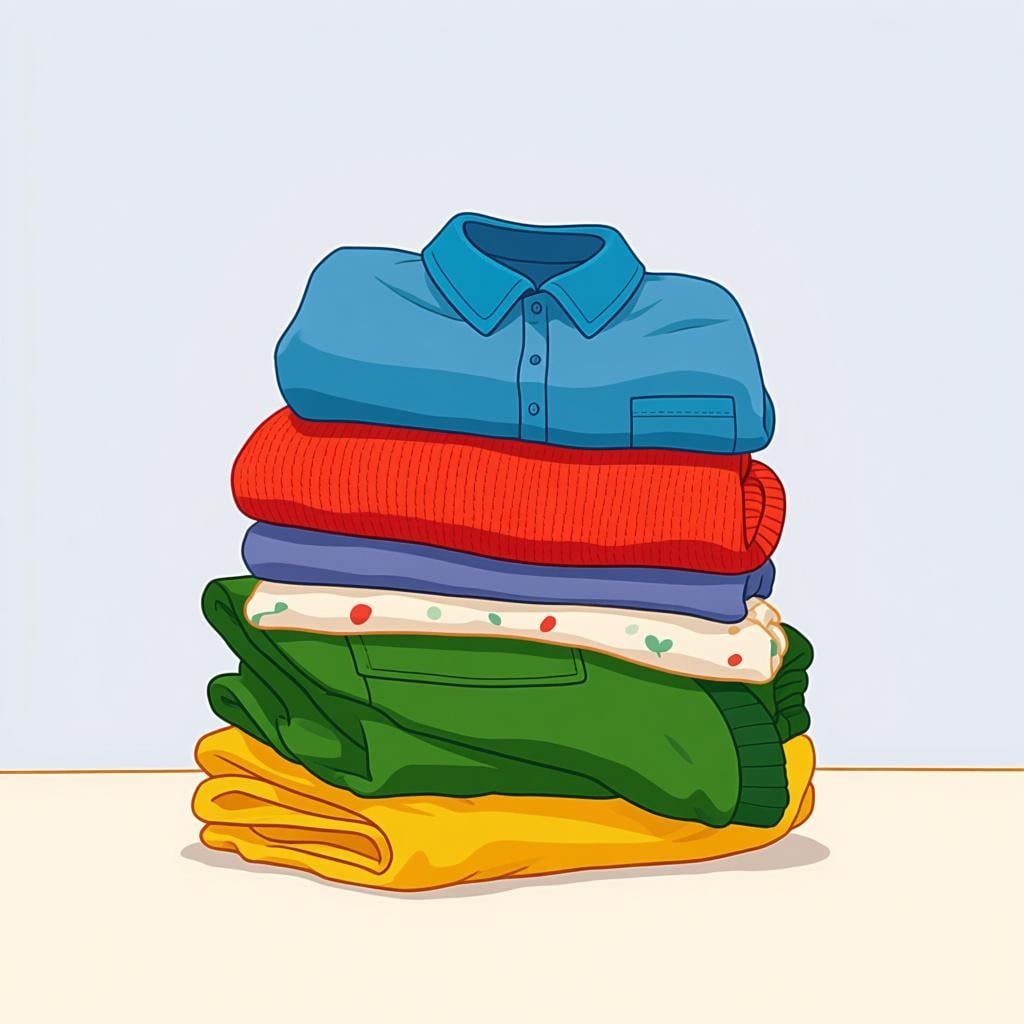
“ropa” means “clothes” in Spanish (general term for garments).
clothes, clothingAlso: laundry
📝 In Action
Necesito comprar ropa nueva.
A1I need to buy new clothes.
Puse toda la ropa sucia en la lavadora.
A2I put all the dirty laundry in the washing machine.
Esta tienda vende ropa de hombre y de mujer.
A2This store sells men's and women's clothing.
Es importante llevar ropa cómoda para viajar.
B1It's important to wear comfortable clothes for traveling.
Word Connections
🔀 Commonly Confused With
Translate to Spanish
🗣️ Practice in a Tongue Twister
✏️ Quick Practice
Quick Quiz: ropa
Question 1 of 1
Which sentence correctly says 'My clothes are clean'?
📚 More Resources
👥 Word Family
📚 Etymology
Comes from a Gothic word, *raupa*, which meant 'loot' or 'plunder.' Originally, it referred to valuable things, especially clothes, stolen from enemies after a battle. Over time, it lost its connection to theft and came to mean clothing in general.
First recorded: Around the 10th century
Cognates (Related words)
💡 Master Spanish
Take your Spanish to the next level. Read 200+ illustrated and narrated Spanish stories tailored to your level with the Inklingo app!
Frequently Asked Questions
Why is it 'la ropa' and not 'el ropa'?
In Spanish, all nouns have a designated gender, either masculine or feminine. 'Ropa' is a feminine word, so it always uses feminine words like 'la' or 'una' with it. There's no special rule for why; it's something you learn and memorize with the word.
If 'ropa' is singular, why do we say 'pantalones' (plural) for one pair of pants?
That's a great observation! Some specific clothing items, like 'pantalones' (pants), 'gafas' (glasses), and 'tijeras' (scissors), are plural in Spanish even when you're talking about just one item. It's a quirk of the language, similar to English. However, the general category word, 'ropa', is always singular.