rubia
“rubia” means “blonde” in Spanish. It has 3 different meanings depending on context:
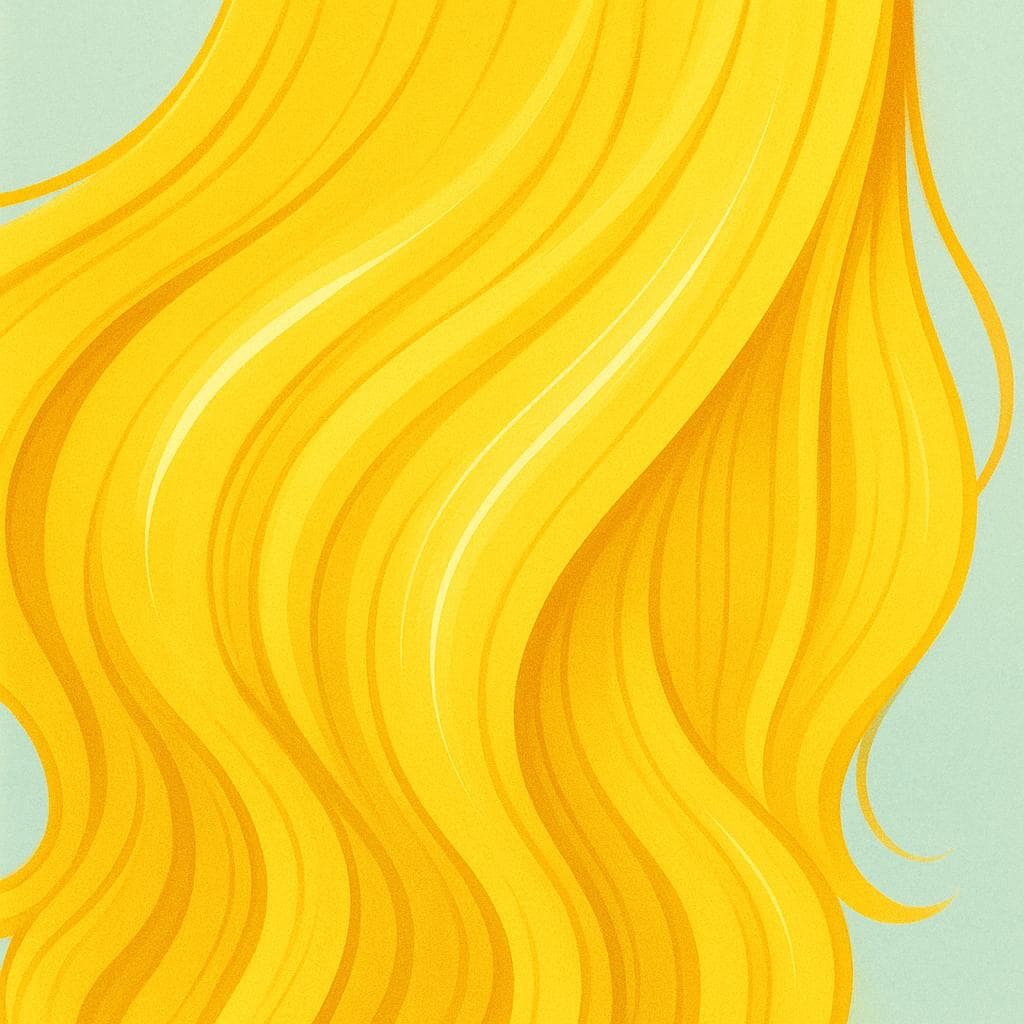


blonde, fair-haired
Also: light-colored
📝 In Action
Mi nueva vecina es muy alta y rubia.
A1My new neighbor (female) is very tall and blonde.
La niña de ojos azules y piel rubia ganó el concurso.
A2The girl with blue eyes and fair skin won the contest.
blonde
Also: fair-haired person
📝 In Action
Había una rubia esperándote en la puerta.
A1There was a blonde woman waiting for you at the door.
Las rubias y las morenas se hicieron amigas rápidamente.
B1The blondes and the brunettes quickly became friends.
lager
Also: light beer
📝 In Action
Para mí, una rubia bien fría, por favor.
B1For me, a really cold lager, please.
Aquí solo servimos rubias y tostadas.
B2Here we only serve light and dark beers (lagers and toasts/ambers).
Translate to Spanish
✏️ Quick Practice
Quick Quiz: rubia
Question 1 of 2
Which sentence uses 'rubia' as a noun referring to a person?
📚 More Resources
👥 Word Family▼
🎵 Rhymes▼
📚 Etymology▼
The word comes from the Latin word *rubeus*, which meant 'reddish' or 'golden.' Over time, the color shifted in Spanish to primarily mean 'golden-haired' or 'blonde,' though the root connection to red/gold remains.
First recorded: Medieval Spanish (around the 13th century)
Cognates (Related words)
💡 Master Spanish
Take your Spanish to the next level. Read 200+ illustrated and narrated Spanish stories tailored to your level with the Inklingo app!
Frequently Asked Questions
If I want to describe a man, do I use 'rubia'?
No. 'Rubia' is only for feminine nouns. To describe a man or a masculine object as blonde or fair, you must use the masculine form, 'rubio' (e.g., 'el hombre rubio').
Can 'rubia' describe things other than people?
Yes. While most common for hair and complexion, it can describe anything light or golden in color, such as 'cerveza rubia' (blonde beer) or certain types of wood.