saber
“saber” means “to know” in Spanish. It has 4 different meanings depending on context:




to knowAlso: to find out

📝 In Action
No sé tu número de teléfono.
A1I don't know your phone number.
¿Sabes qué hora es?
A1Do you know what time it is?
Ayer supe que te mudas.
A2Yesterday I found out that you are moving.
Word Connections
to know how toAlso: can

📝 In Action
Mi abuela sabe tejer muy bien.
A2My grandmother knows how to knit very well.
¿Sabes hablar francés?
A2Do you know how to speak French?
Él no sabe nadar.
A2He can't swim (doesn't know how).
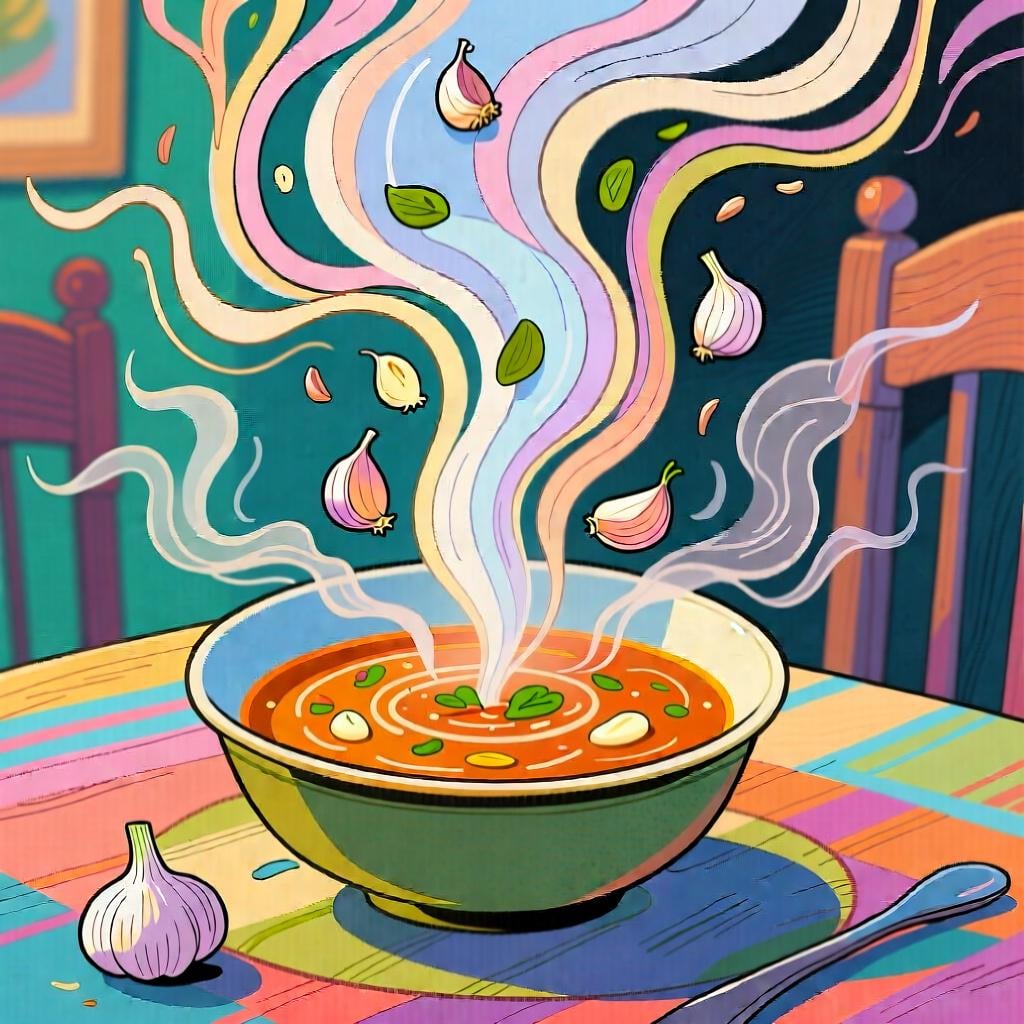
to taste
📝 In Action
Esta sopa sabe a ajo.
B1This soup tastes like garlic.
El café sabe amargo.
B1The coffee tastes bitter.
¡Qué bien sabe esta paella!
B2This paella tastes so good!
Word Connections
knowledge

📝 In Action
El saber no ocupa lugar.
B2Knowledge takes up no space. (A common proverb)
Es un hombre de mucho saber.
C1He is a man of great knowledge.
Word Connections
Indicative
Present
Imperfect
Preterite
Subjunctive
Present Subjunctive
Imperfect Subjunctive
🔀 Commonly Confused With
Translate to Spanish
🗣️ Practice in a Tongue Twister
✏️ Quick Practice
Quick Quiz: saber
Question 1 of 1
Which sentence correctly uses 'saber'?
📚 More Resources
👥 Word Family
📚 Etymology
Comes from the Latin word 'sapere', which had a wonderful double meaning: 'to taste' and 'to be wise'. You can still see both of these original meanings alive in Spanish today!
First recorded: Around the 10th century
Cognates (Related words)
💡 Master Spanish
Take your Spanish to the next level. Read 200+ illustrated and narrated Spanish stories tailored to your level with the Inklingo app!
Frequently Asked Questions
What is the simplest way to remember the difference between 'saber' and 'conocer'?
Think of it this way: Use 'saber' for things you could write down on a test (facts, information) or skills you can perform (how to swim). Use 'conocer' for people, places, or things you have personal experience with. You 'saber' a phone number, but you 'conocer' New York City.
Why does 'supe' mean 'I found out' but 'sabía' means 'I knew'?
It's about how Spanish views time. The preterite tense ('supe') describes a completed action at a specific point. The 'action' of learning a fact is finding it out. The imperfect tense ('sabía') describes an ongoing state in the past. Possessing knowledge was an ongoing state, so it uses the imperfect.