Inklingo

sabés

/sah-BESS/

you know

A person pointing with one finger to a specific spot on a colorful world globe with a confident smile.

Sabés: You know a specific piece of information, such as a location on a map.

sabés(verb)

A1irregular (does not follow the standard pattern) er

you know

?

knowing a fact or piece of information

Also:

you understand

?

understanding a situation

📝 In Action

¿Sabés dónde está la parada del autobús?

A1

Do you know where the bus stop is?

Vos sabés que tengo razón.

A1

You know that I'm right.

Word Connections

Synonyms

Antonyms

Common Collocations

  • ya sabésyou already know / you know the drill
  • viste como es, ¿sabés?you know how it is, right?

Idioms & Expressions

  • ¿Sabés qué?Used to introduce a new idea or surprise

💡 Grammar Points

The 'Vos' Connection

'Sabés' is a special form of the verb used with 'vos' instead of 'tú'. It is very common in the Rio de la Plata region (Argentina and Uruguay).

❌ Common Pitfalls

Don't forget the accent

Mistake: "sabes"

Correction: sabés (when using 'vos'). Without the accent, it's the standard form used with 'tú' in most other countries.

⭐ Usage Tips

Sound like a local

In Buenos Aires, people often end sentences with '¿sabés?' as a way to check if the listener is following along, similar to how English speakers say 'you know?'

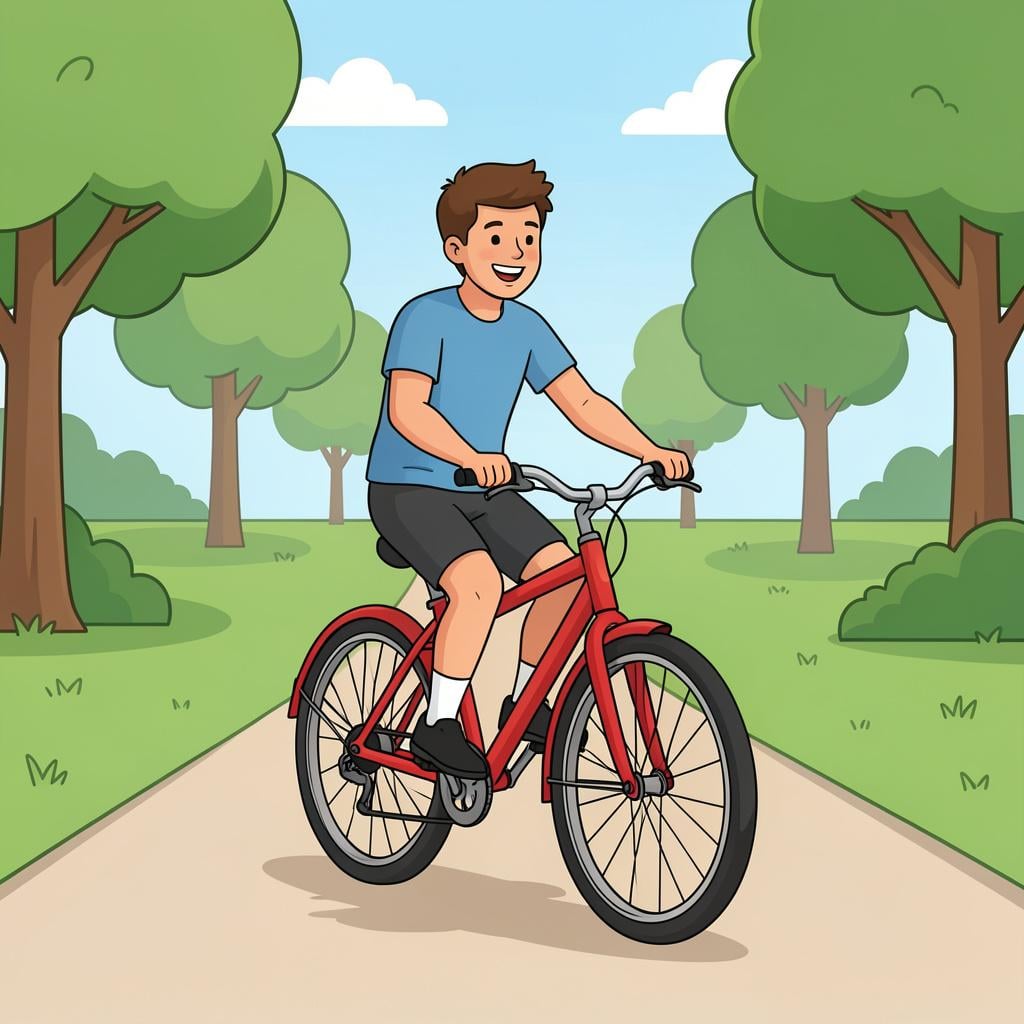
A person riding a red bicycle confidently on a path without training wheels.

Sabés: You know how to do something, like having the skill to ride a bike.

sabés(verb)

A2irregular er

you know how to

?

having a skill or ability

📝 In Action

¿Sabés cocinar empanadas?

A2

Do you know how to cook empanadas?

Vos sabés manejar muy bien.

A2

You know how to drive very well.

Word Connections

Common Collocations

  • saber deto know about (a subject)

💡 Grammar Points

Skills vs. Facts

When 'sabés' is followed directly by another verb (like 'manejar' or 'cocinar'), it means you have the skill to do that action.

🔄 Conjugations

subjunctive

imperfect

ellos/ellas/ustedessupieran
yosupiera
supieras
vosotrossupierais
nosotrossupiéramos
él/ella/ustedsupiera

present

ellos/ellas/ustedessepan
yosepa
sepas
vosotrossepáis
nosotrossepamos
él/ella/ustedsepa

indicative

preterite

ellos/ellas/ustedessupieron
yosupe
supiste
vosotrossupisteis
nosotrossupimos
él/ella/ustedsupo

imperfect

ellos/ellas/ustedessabían
yosabía
sabías
vosotrossabíais
nosotrossabíamos
él/ella/ustedsabía

present

ellos/ellas/ustedessaben
yo
sabés (used with 'vos')
vosotrossabéis
nosotrossabemos
él/ella/ustedsabe

✏️ Quick Practice

💡 Quick Quiz: sabés

Question 1 of 1

If you are in Buenos Aires and want to ask someone if they know the way, which would you say?

📚 More Resources

Word Family

sabio(wise) - adjective

Frequently Asked Questions

What is the difference between 'sabes' and 'sabés'?

The only difference is regional! 'Sabes' is used with 'tú' (common in Mexico, Spain, etc.), while 'sabés' is used with 'vos' (common in Argentina, Uruguay, and parts of Central America).