salvajes
“salvajes” means “wild” in Spanish. It has 2 different meanings depending on context:
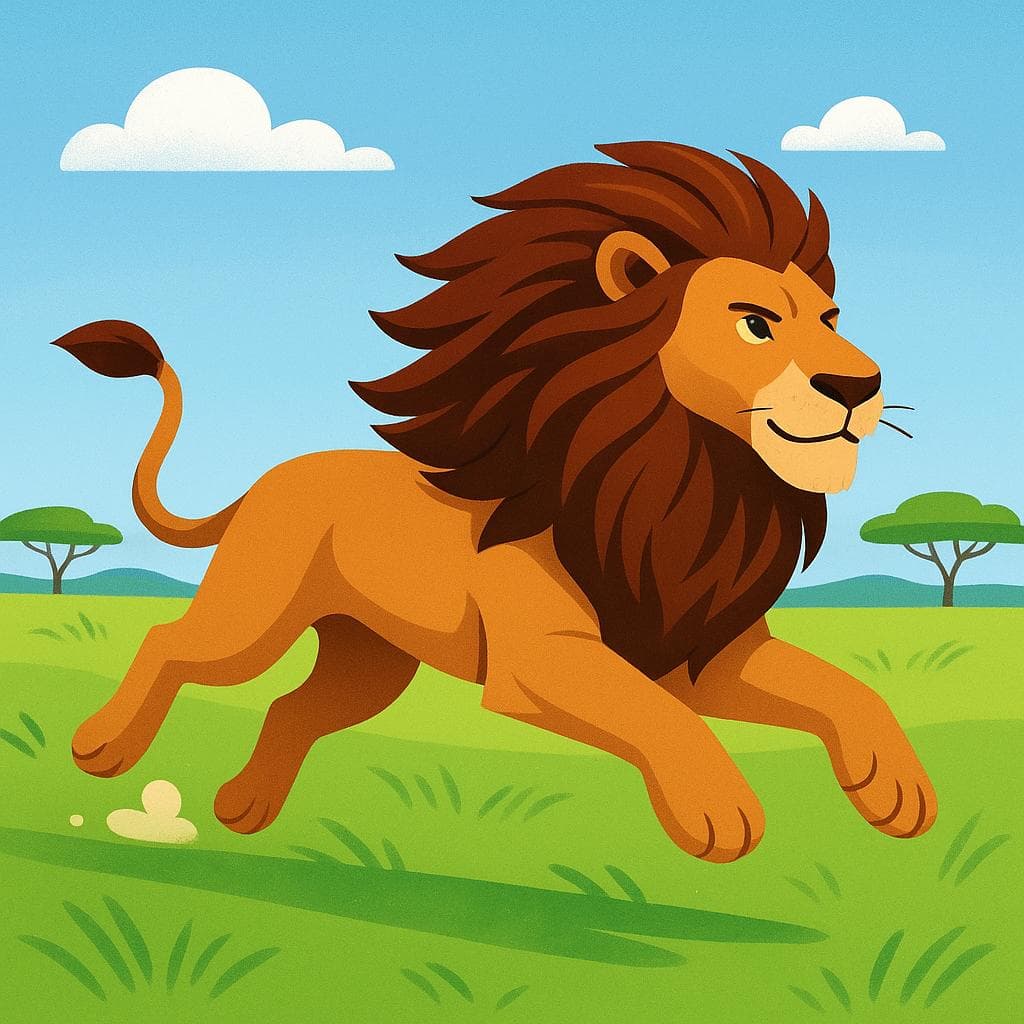
wild, untamedAlso: feral, savage
📝 In Action
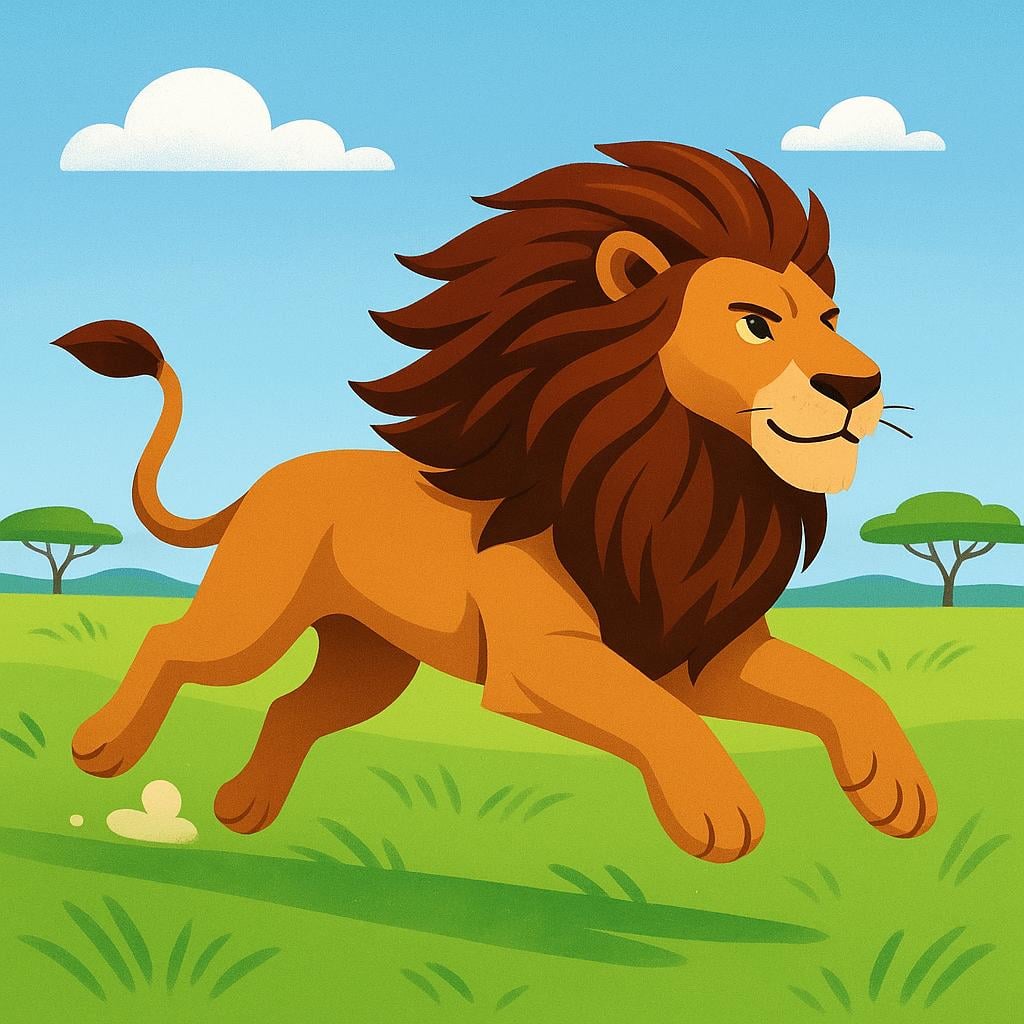
Los leones y tigres son animales muy salvajes.
A2Lions and tigers are very wild animals.
Las tierras del norte son salvajes y difíciles de cultivar.
B1The northern lands are wild and difficult to cultivate.
Sus modales en la mesa eran francamente salvajes.
B2His table manners were frankly savage (very bad).
Word Connections
wild animals, savagesAlso: wild ones
📝 In Action
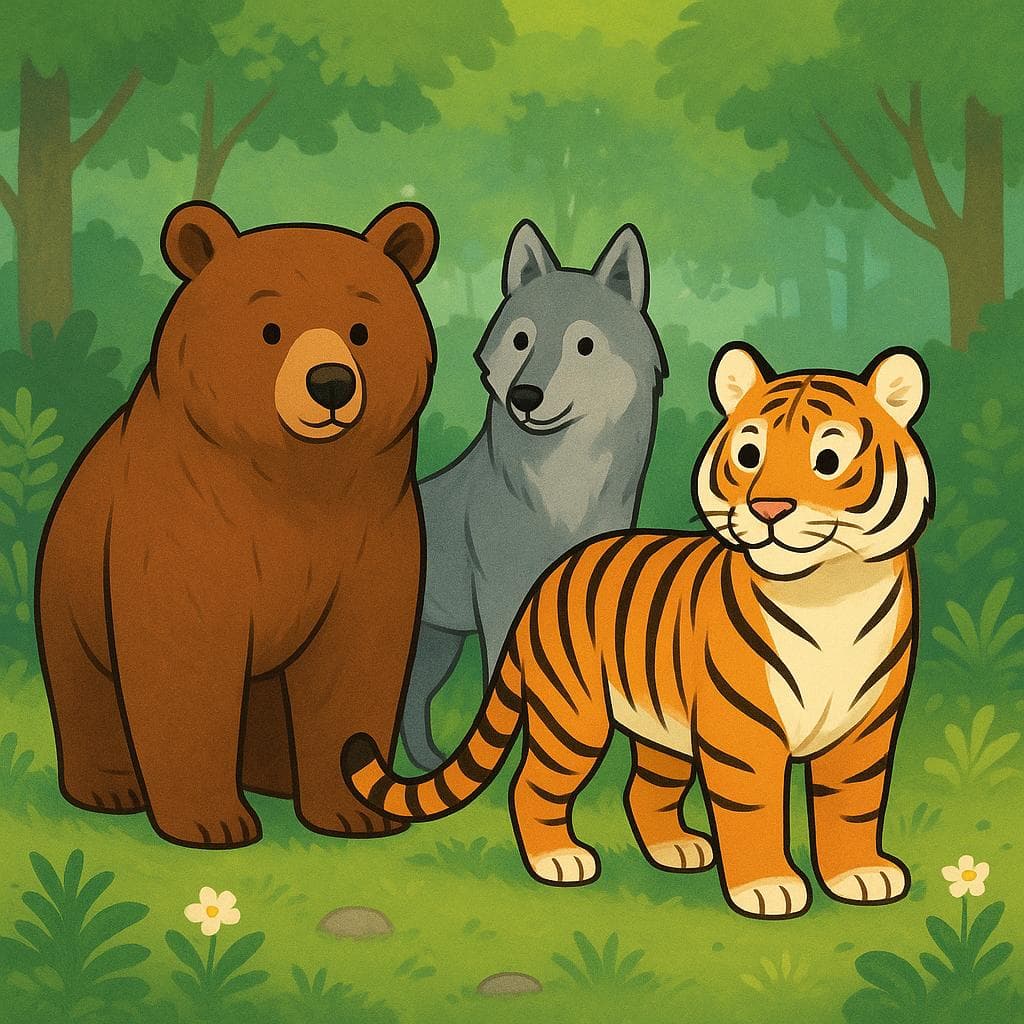
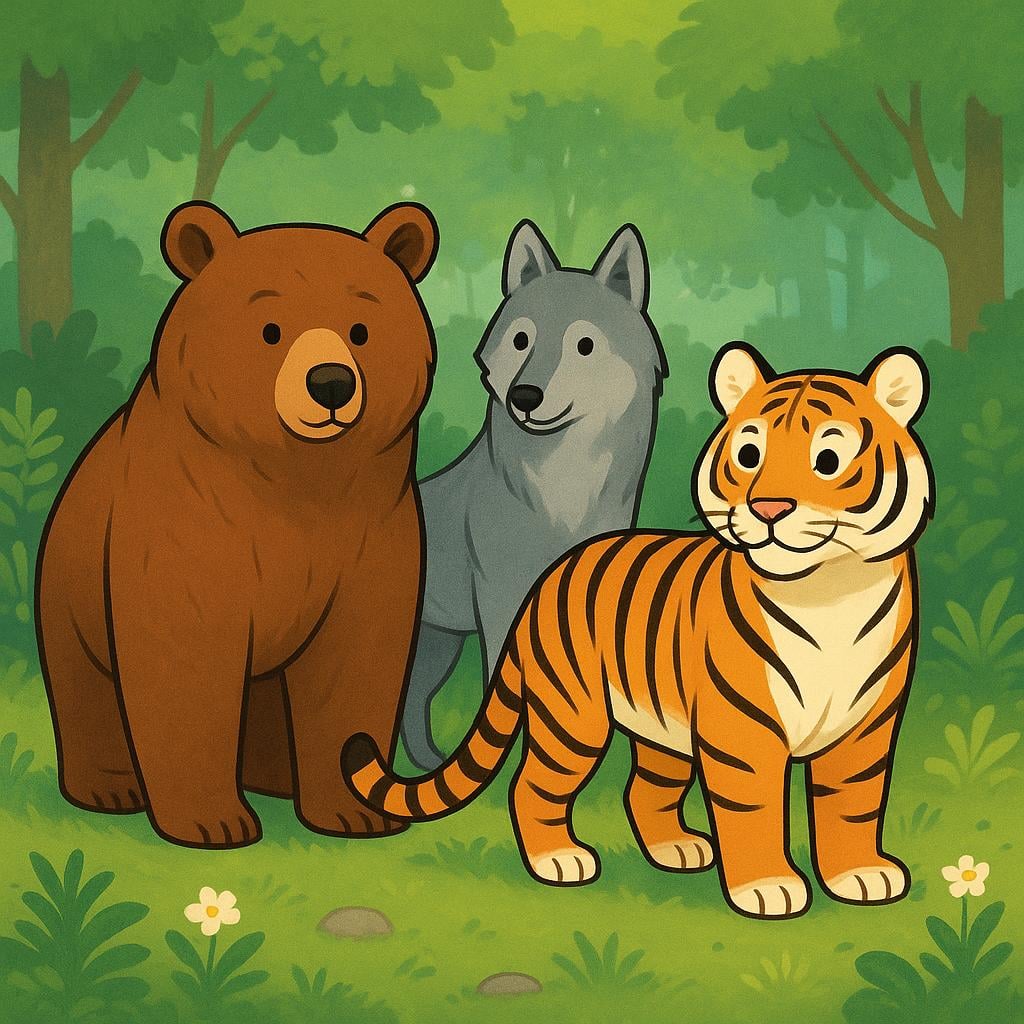
El zoológico tiene una sección dedicada a los salvajes africanos.
B1The zoo has a section dedicated to the African wild animals.
Los exploradores fueron capturados por un grupo de salvajes.
B2The explorers were captured by a group of savages.
Word Connections
Translate to Spanish
Words that translate to "salvajes" in Spanish:
✏️ Quick Practice
Quick Quiz: salvajes
Question 1 of 1
Which sentence uses 'salvajes' as a noun?
📚 More Resources
👥 Word Family
📚 Etymology
The word comes from the Late Latin term *silvaticus*, which literally meant 'of the woods' or 'belonging to the forest' (*silva*). Over time, this concept of being outside of civilization naturally evolved into meaning 'wild' or 'untamed.'
First recorded: 13th century
Cognates (Related words)
💡 Master Spanish
Take your Spanish to the next level. Read 200+ illustrated and narrated Spanish stories tailored to your level with the Inklingo app!
Frequently Asked Questions
What is the singular form of 'salvajes'?
The singular form is 'salvaje.' Since it ends in -e, it is the same word whether you are describing a masculine or feminine person/thing (e.g., 'un animal salvaje' or 'una bestia salvaje').
Is 'salvajes' used more for people or animals?
In modern Spanish, it is much more frequently used to describe animals, places, or intense, uncontrolled behaviors. Using it to describe people is often avoided, as it can be seen as negative or outdated.