sera
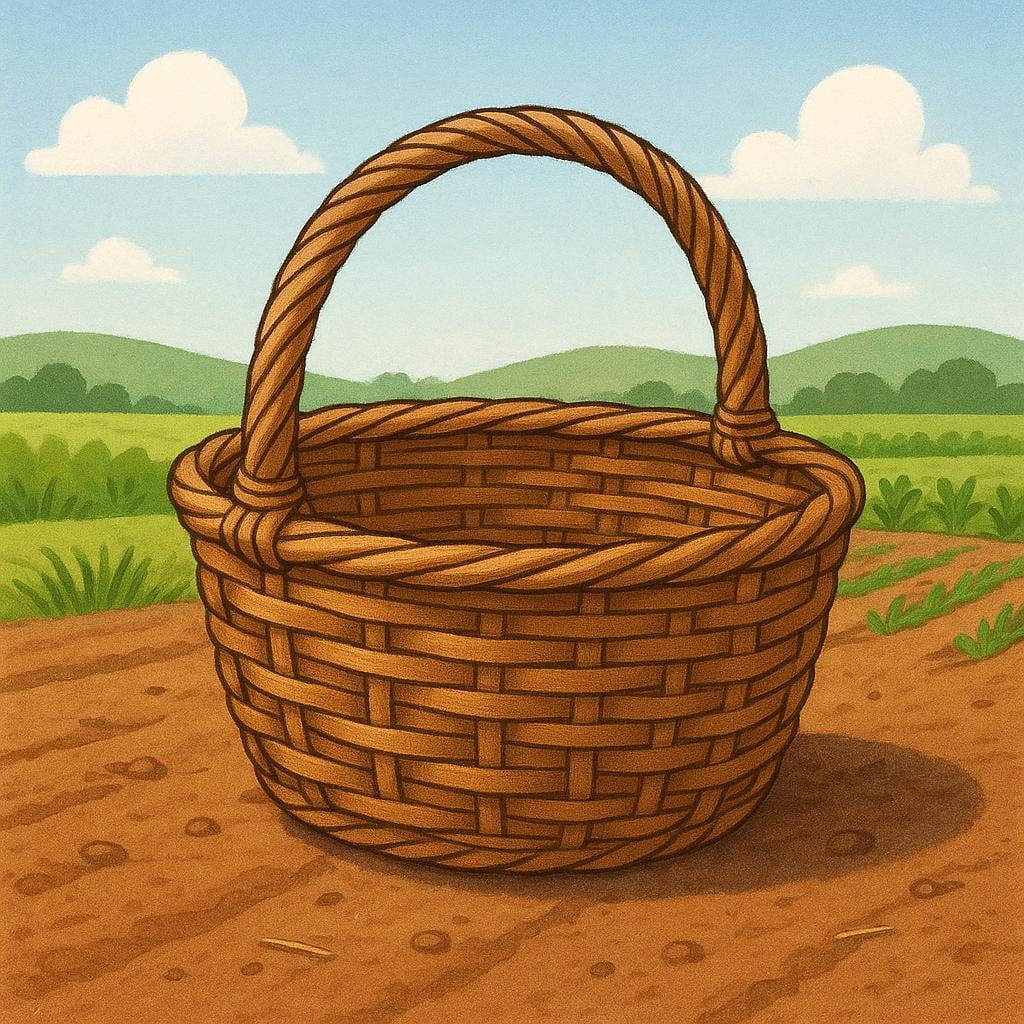
“sera” means “large basket” in Spanish (agricultural container).
large basketAlso: pannier, hamper
📝 In Action
El trabajador cargó la sera de aceitunas en el burro.
B2The worker loaded the large basket of olives onto the donkey.
En el museo hay una antigua sera de esparto.
C1In the museum, there is an ancient esparto grass hamper.
Word Connections
Translate to Spanish
Words that translate to "sera" in Spanish:
✏️ Quick Practice
Quick Quiz: sera
Question 1 of 1
Which word is the most common and appropriate substitute for 'sera' in modern Spanish?
📚 More Resources
👥 Word Family
📚 Etymology
The word comes from the Latin *saria*, which was also used to mean a large, saddle-like basket or pack-basket.
First recorded: Medieval Spanish texts
Cognates (Related words)
💡 Master Spanish
Take your Spanish to the next level. Read 200+ illustrated and narrated Spanish stories tailored to your level with the Inklingo app!
Frequently Asked Questions
Is 'sera' the same as 'será'?
No, they are different words! 'Sera' (without the accent) is a very rare noun meaning 'basket.' 'Será' (with the accent) is the extremely common verb form meaning 'he/she/it will be' or 'you (formal) will be' (from the verb 'ser'). The accent mark is essential because it changes the pronunciation and the meaning entirely.
If I see 'sera' in a text, what is the most likely meaning?
If you see 'sera' without an accent, it is most likely a typo for the verb 'será' (will be). If the context involves agriculture or old objects, it might be the rare noun meaning 'basket.'