siesta
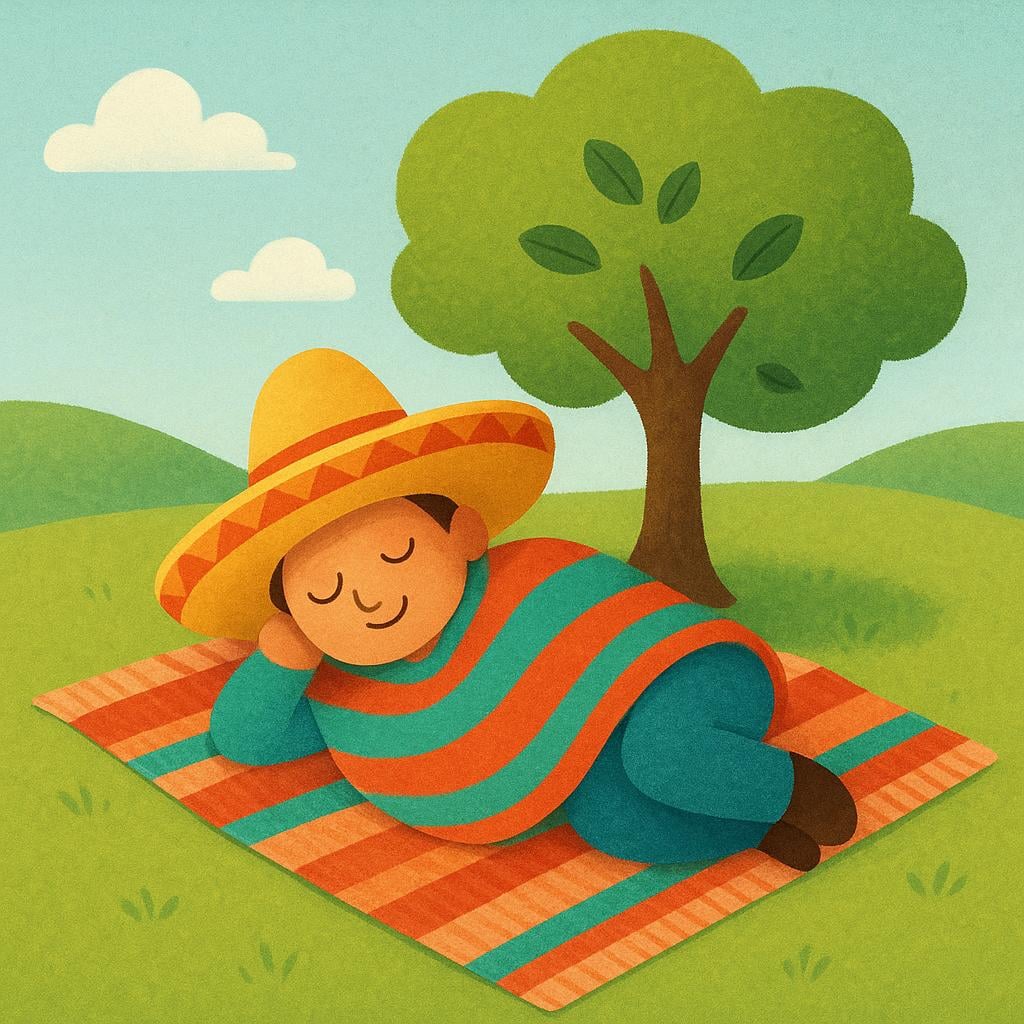
“siesta” means “nap” in Spanish (short sleep).
nap, afternoon napAlso: rest period
📝 In Action
Después del almuerzo, necesito una siesta corta.
A1After lunch, I need a short nap.
En verano, la siesta es obligatoria para recuperar energía.
A2In summer, the nap is mandatory to recover energy.
Mi abuelo siempre echa la siesta en el sofá.
B1My grandfather always takes a nap on the sofa.
Word Connections
Translate to Spanish
Words that translate to "siesta" in Spanish:
✏️ Quick Practice
Quick Quiz: siesta
Question 1 of 1
Which verb is most commonly used in Spanish to mean 'to take a nap'?
📚 More Resources
👥 Word Family
📚 Etymology
The word comes from the Latin phrase *sexta hora*, meaning 'the sixth hour.' In the Roman calculation of the day, the sixth hour fell around noon, which was traditionally the hottest time and the moment for a break or rest.
First recorded: Medieval Spanish (derived from Latin roots)
Cognates (Related words)
💡 Master Spanish
Take your Spanish to the next level. Read 200+ illustrated and narrated Spanish stories tailored to your level with the Inklingo app!
Frequently Asked Questions
Is the siesta still common in Spain?
While the traditional, long, mid-day break that closes down businesses is less common in major cities due to modern work schedules, the concept of a short nap or rest period ('echar una cabezada') after lunch is still very much a part of the culture, especially in rural areas or during the hot summer months.