superficie
“superficie” means “surface” in Spanish. It has 2 different meanings depending on context:

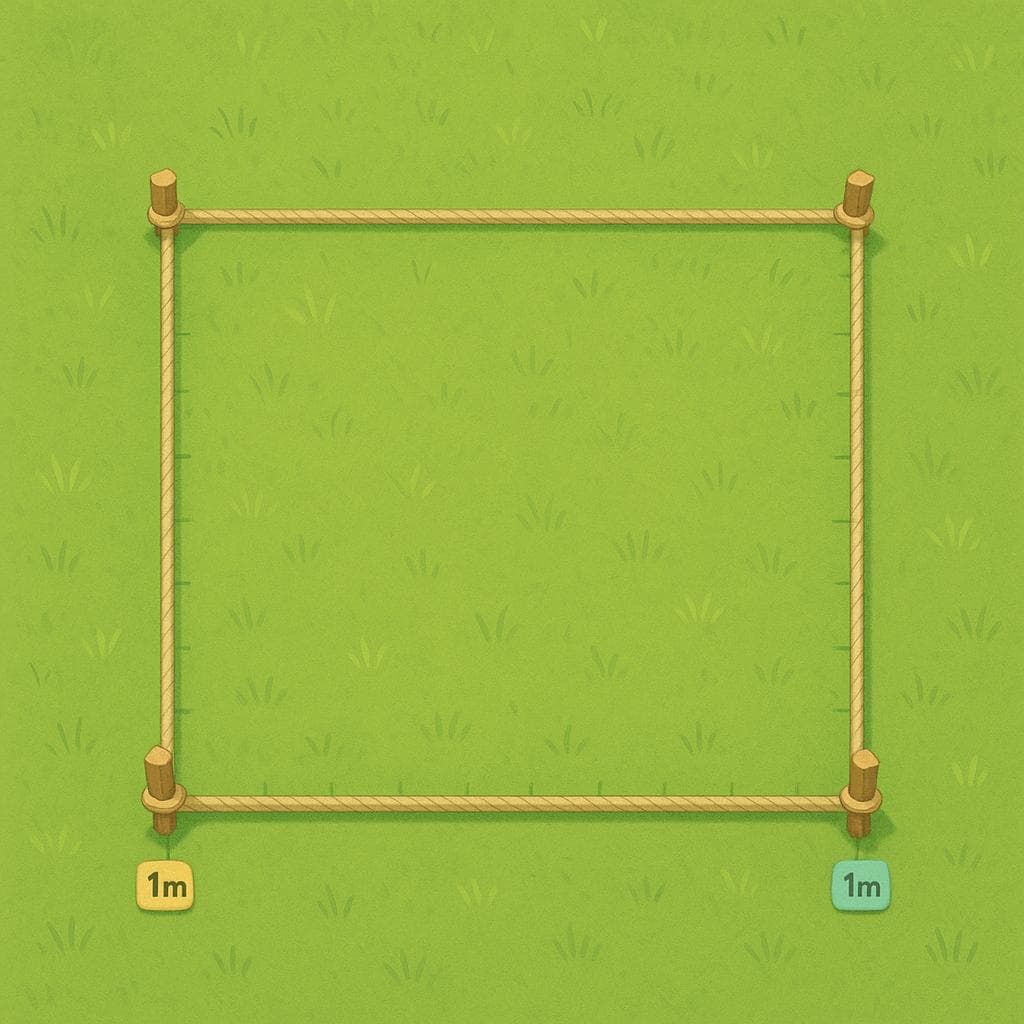
surfaceAlso: top, face

📝 In Action
No toques la superficie del cristal, está caliente.
A2Don't touch the surface of the glass, it's hot.
El bote flotaba en la superficie del lago.
B1The boat floated on the surface of the lake.
La luna tiene una superficie rocosa y llena de cráteres.
B2The moon has a rocky surface full of craters.
Word Connections
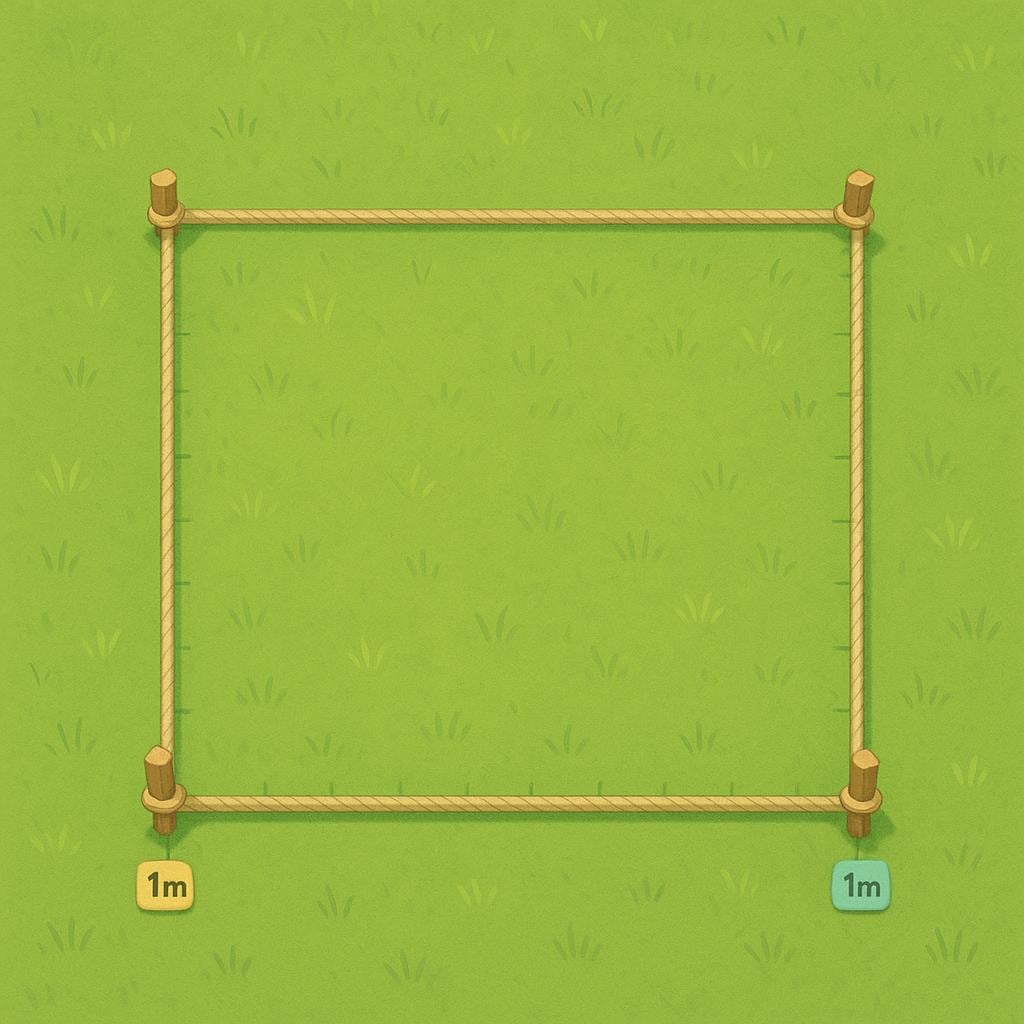
areaAlso: size
📝 In Action
La superficie total del terreno es de dos hectáreas.
B1The total area of the land is two hectares.
Calculamos la superficie de la pared para saber cuánta pintura comprar.
B2We calculated the area of the wall to know how much paint to buy.
Word Connections
✏️ Quick Practice
Quick Quiz: superficie
Question 1 of 1
Which sentence uses 'superficie' to describe a measurement rather than a physical layer?
📚 More Resources
👥 Word Family
🎵 Rhymes
📚 Etymology
This word comes directly from the Latin word *superficies*, which means 'top side' or 'face.' It combines the Latin root *super-* (meaning 'above' or 'over') and *facies* (meaning 'form' or 'face').
First recorded: 13th century
Cognates (Related words)
💡 Master Spanish
Take your Spanish to the next level. Read 200+ illustrated and narrated Spanish stories tailored to your level with the Inklingo app!
Frequently Asked Questions
¿Es 'superficie' masculino o femenino?
'Superficie' is always feminine. You must use 'la superficie' or 'una superficie.' This is a common error because many Spanish words ending in -e can be masculine, but this one is definitely feminine.
¿Cuál es la diferencia entre 'superficie' y 'área'?
They are often interchangeable when talking about measurements, but 'superficie' can also mean the physical top layer (like the surface of the water), while 'área' strictly refers to the measured size or extent.