taller
“taller” means “workshop” in Spanish. It has 2 different meanings depending on context:
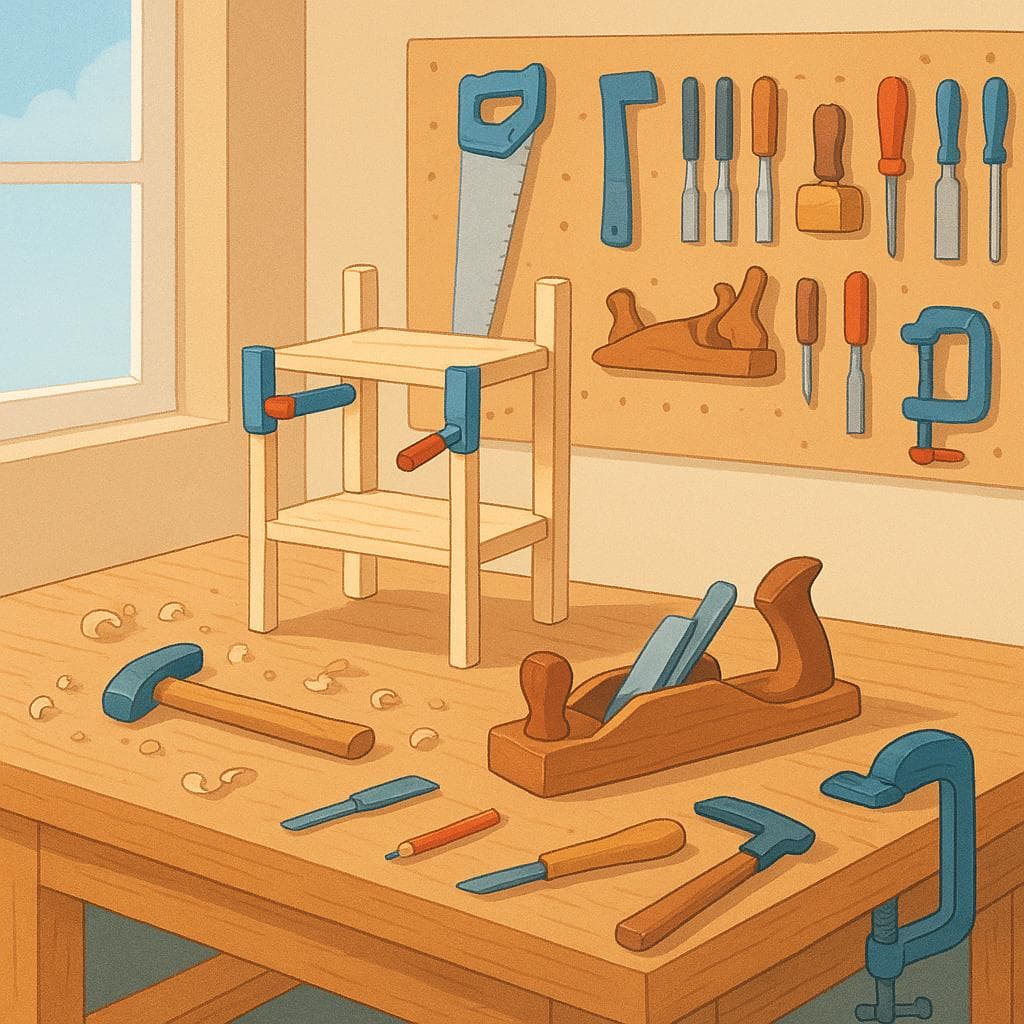
workshop, repair shop
Also: studio, garage
📝 In Action
Mi padre lleva el coche al taller cada seis meses.
A2My father takes the car to the repair shop every six months.
El artista trabaja en su taller hasta muy tarde.
B1The artist works in their studio until very late.
Necesitamos un electricista para el taller de la fábrica.
B2We need an electrician for the factory workshop.
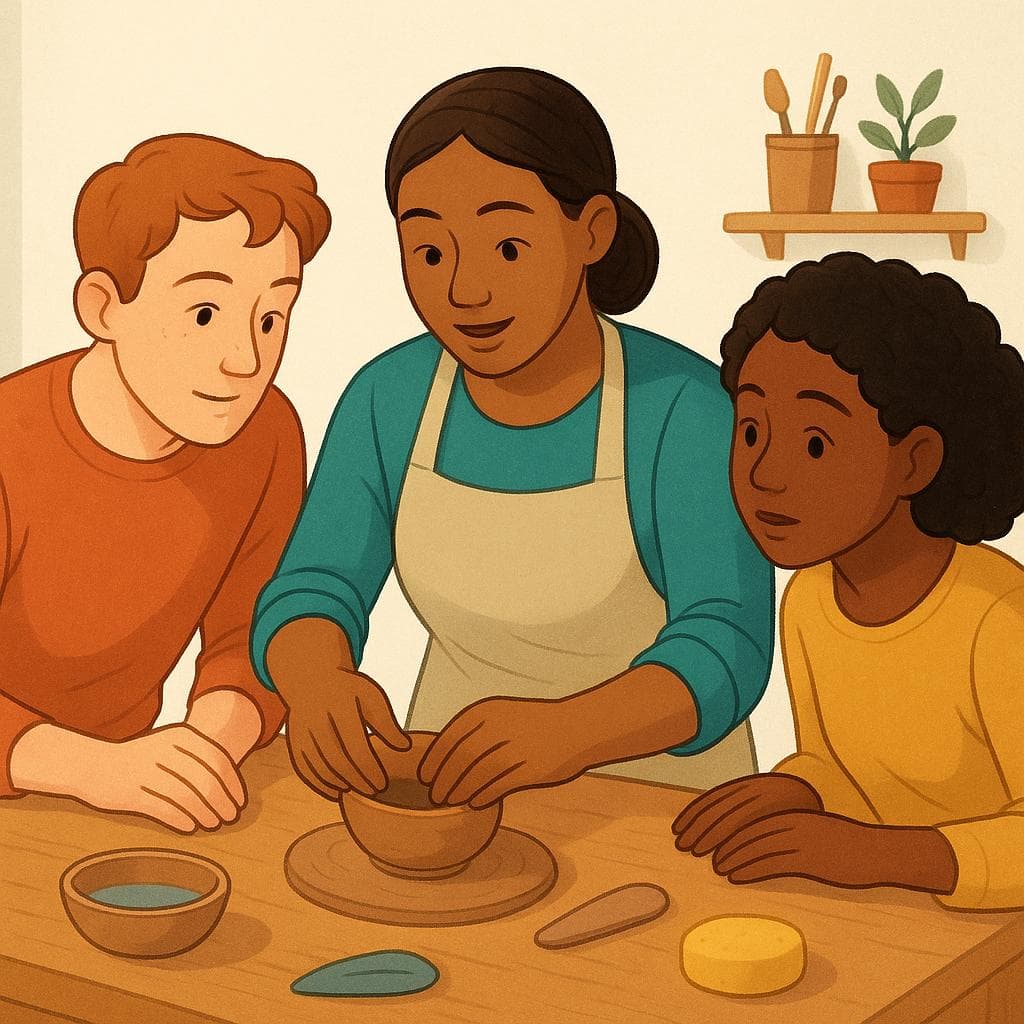
workshop, hands-on course
Also: seminar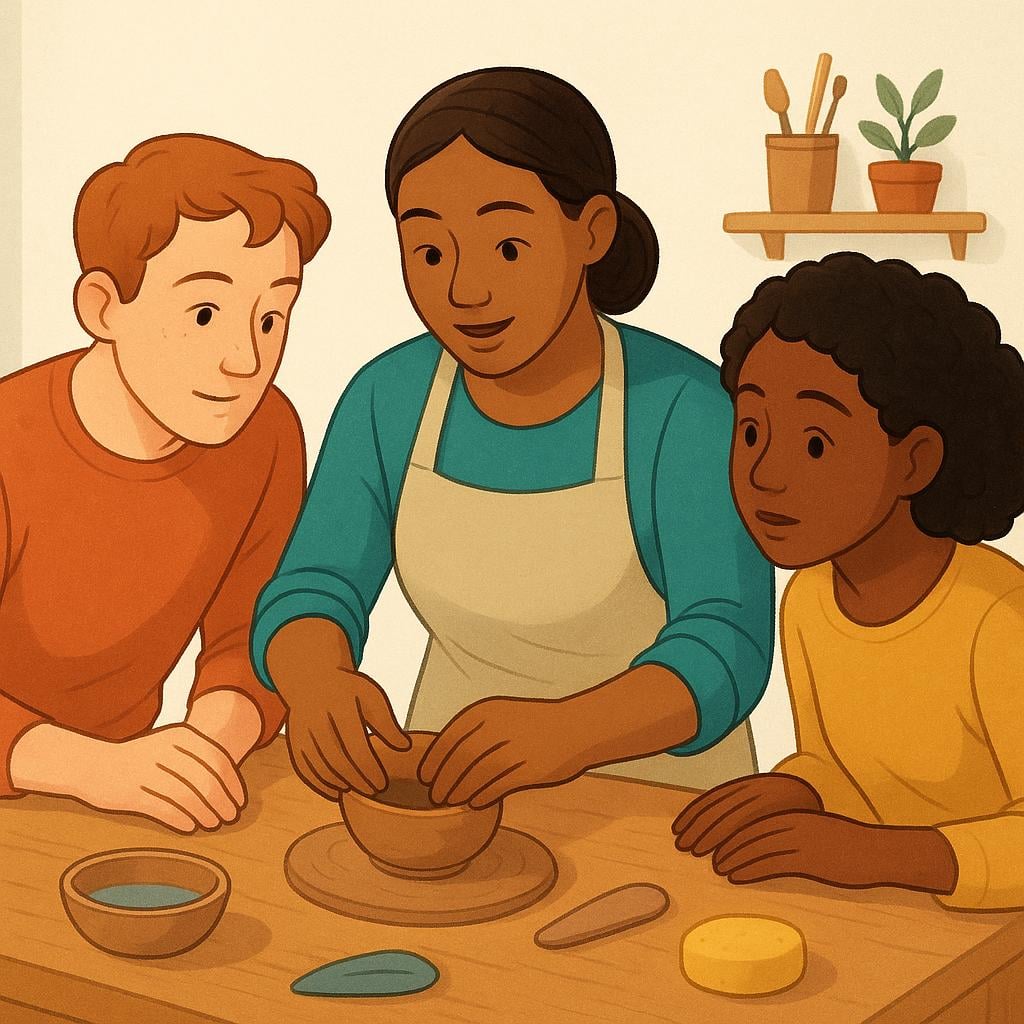
📝 In Action
Tomamos un taller de fotografía digital el sábado pasado.
B1We took a digital photography workshop last Saturday.
La universidad ofrece un taller intensivo de idiomas.
B2The university offers an intensive language course.
El taller de cocina fue muy popular, aprendimos a hacer paella.
A2The cooking workshop was very popular; we learned how to make paella.
Translate to Spanish
Words that translate to "taller" in Spanish:
garage→hands-on course→repair shop→seminar→studio→workshop→✏️ Quick Practice
Quick Quiz: taller
Question 1 of 1
Which sentence uses 'taller' to mean a short, educational course?
📚 More Resources
👥 Word Family▼
📚 Etymology▼
The word 'taller' came into Spanish from the French word 'atelier' (meaning workshop or studio). This explains why it follows the French gender and pronunciation, despite ending in -er.
First recorded: 17th century
Cognates (Related words)
💡 Master Spanish
Take your Spanish to the next level. Read 200+ illustrated and narrated Spanish stories tailored to your level with the Inklingo app!
Frequently Asked Questions
Does 'taller' have anything to do with the English word 'tall'?
No, they are false friends! The Spanish 'taller' means 'workshop' or 'studio.' The English word 'tall' (meaning high or elevated) is translated to Spanish words like 'alto' or 'más alto' (taller).
Why is 'taller' masculine if it ends in 'r'?
'Taller' is masculine ('el taller') because it was borrowed directly from the French word 'atelier', and in Spanish, most inanimate places or things default to the masculine gender if they don't end in -a.