tenerla
“tenerla” means “to have it” in Spanish. It has 3 different meanings depending on context:
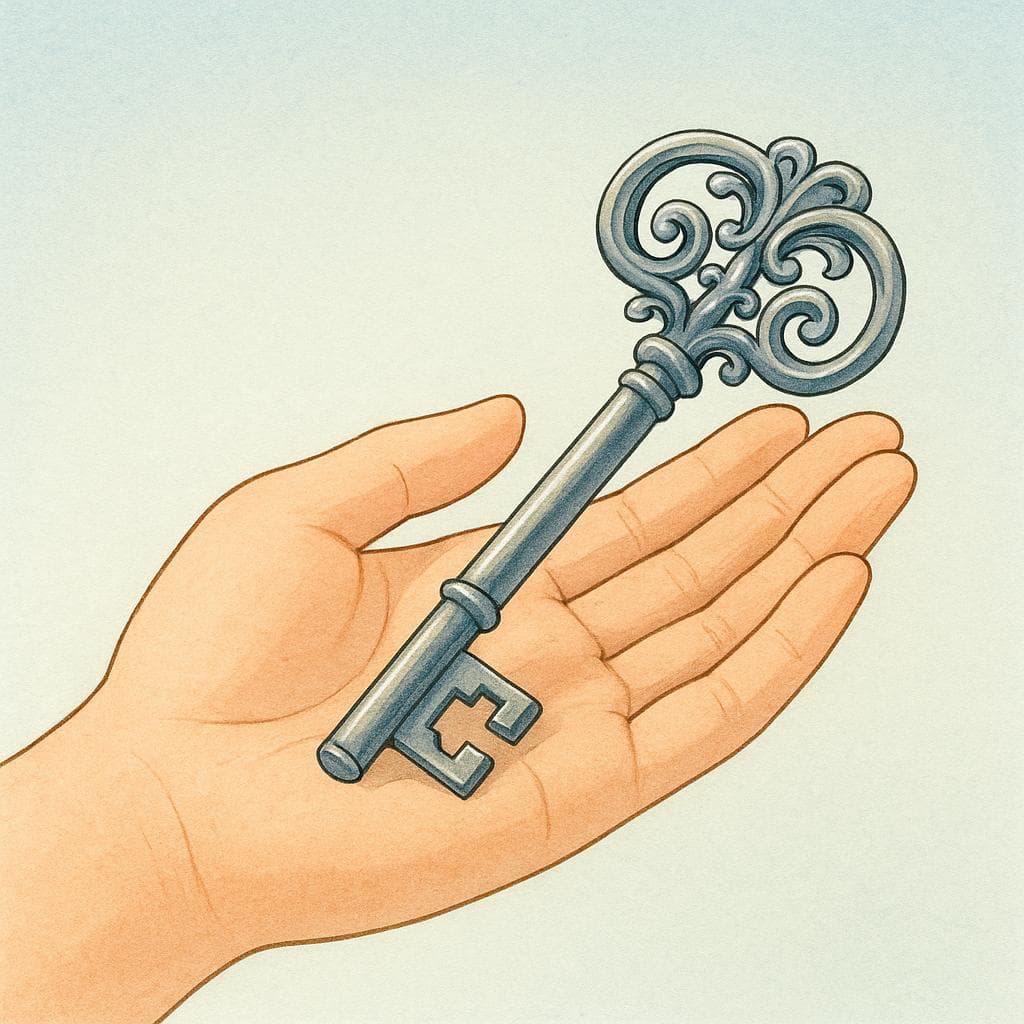

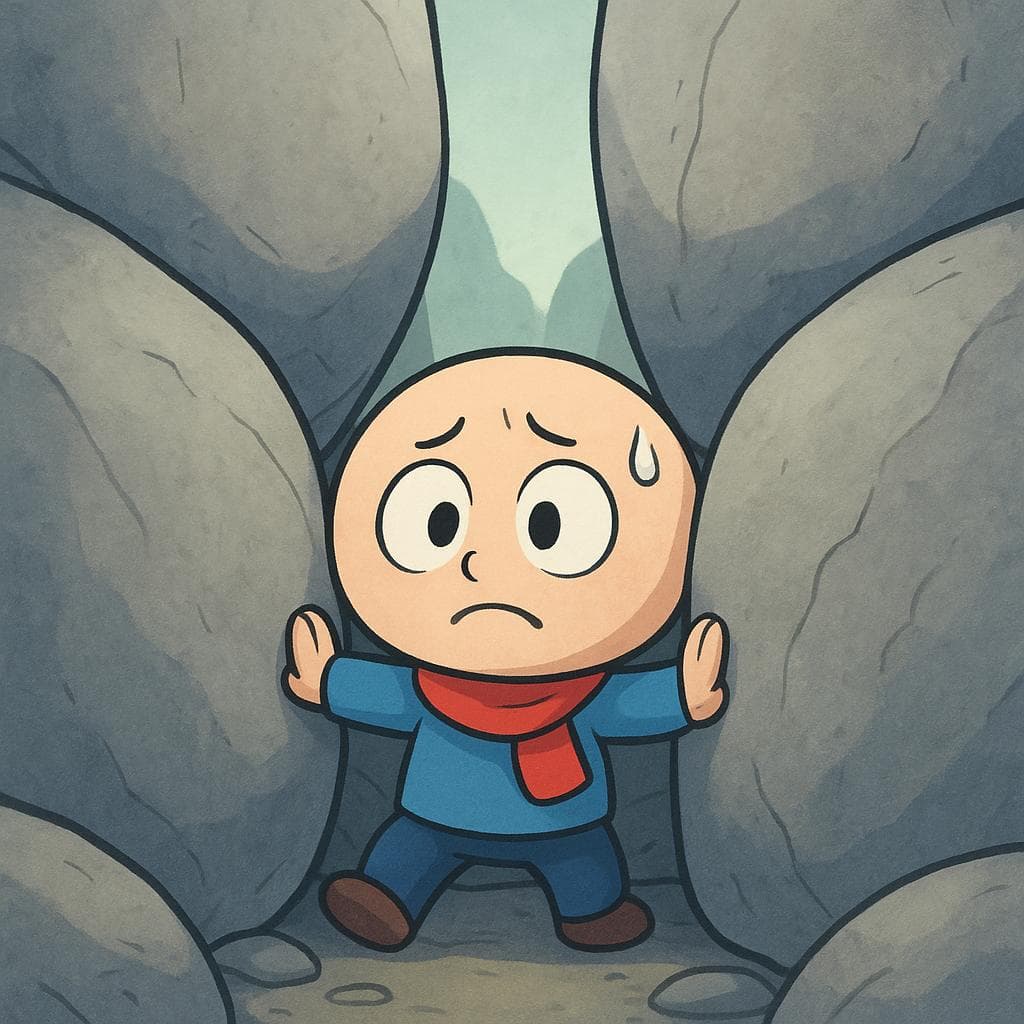
to have it, to hold herAlso: to possess it

📝 In Action
¿Puedes ir a la tienda? Necesito tenerla lista para mañana.
A2Can you go to the store? I need to have it ready for tomorrow. (Referring to 'la cena' - the dinner)
Si vas a ver la bicicleta, debes tenerla en la mano para sentir el peso.
B1If you are going to look at the bicycle, you must hold it in your hand to feel the weight.
Word Connections
to have the knack, to have itAlso: to be gifted

📝 In Action
No sé cómo lo hace, pero él tiene la para convencer a la gente.
B1I don't know how he does it, but he has the knack (literally, 'he has it') for convincing people.
Para cocinar paella de verdad, tienes que tenerla.
B2To cook real paella, you have to have the touch/knack.
Word Connections
to be in a tough spot, to have it bad

📝 In Action
Si suspende el examen otra vez, la tiene. Su padre estará muy enfadado.
B2If he fails the exam again, he's in trouble (literally, 'he has it'). His father will be very angry.
Hemos perdido las llaves y el coche. ¡Ahora sí que la tenemos!
C1We lost the keys and the car. Now we really are in a predicament!
Word Connections
Indicative
Present
Imperfect
Preterite
Subjunctive
Present Subjunctive
Imperfect Subjunctive
✏️ Quick Practice
Quick Quiz: tenerla
Question 1 of 2
Which sentence correctly uses the idiomatic meaning of 'tenerla' (to have the knack)?
📚 More Resources
👥 Word Family
🎵 Rhymes
📚 Etymology
This word is a combination of the highly common irregular verb *tener* (to have, from Latin *tenēre*, meaning 'to hold') and the direct object pronoun *la* (it/her, from Latin *illam*, meaning 'that one'). The two words join together when *tener* is used in its infinitive form.
First recorded: The verb *tener* appeared in Old Spanish around the 10th century. The attachment of pronouns to infinitives is an ancient feature of Romance languages.
Cognates (Related words)
💡 Master Spanish
Take your Spanish to the next level. Read 200+ illustrated and narrated Spanish stories tailored to your level with the Inklingo app!
Frequently Asked Questions
Why is 'la' attached to 'tener' in this word?
In Spanish, when you use a verb in its base form (the infinitive, like 'tener') or the '-ing' form (the gerund, like 'teniendo'), the small words that receive the action (like 'la', 'lo', 'me', 'te') stick right onto the end of the verb.
What happens if the thing I have is masculine, like 'el libro'?
If the thing you have is masculine, you use the pronoun 'lo' instead of 'la'. The word would become 'tenerlo' (to have it, masculine).