tengamos
“tengamos” means “that we have” in Spanish. It has 2 different meanings depending on context:
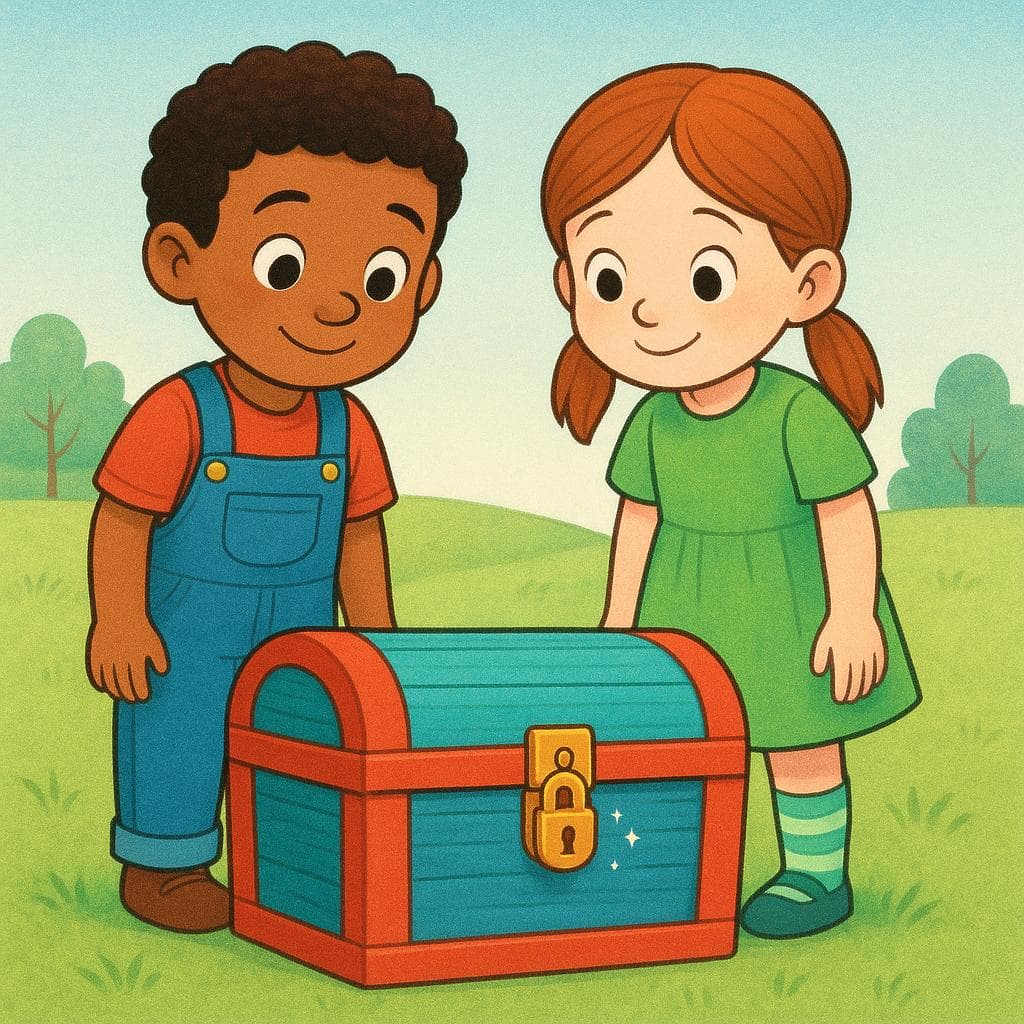

that we have, that we feel
Also: whether we have
📝 In Action
Es crucial que tengamos un plan de respaldo.
B1It is crucial that we have a backup plan.
Mi madre quiere que tengamos paciencia.
A2My mother wants us to have patience.
No creo que tengamos suficiente dinero para el viaje.
B1I don't think we have enough money for the trip.
Let's have, Let's hold
Also: We should have
📝 In Action
¡Tengamos una reunión mañana!
A2Let's have a meeting tomorrow!
No tengamos miedo de preguntar.
B1Let's not be afraid to ask.
Tengamos fe en que todo saldrá bien.
B2Let's have faith that everything will turn out well.
🔄 Conjugations
indicative
present
imperfect
preterite
subjunctive
present
imperfect
Translate to Spanish
✏️ Quick Practice
Quick Quiz: tengamos
Question 1 of 1
Which sentence correctly uses 'tengamos' to express a suggestion?
📚 More Resources
👥 Word Family▼
📚 Etymology▼
The verb 'tener' comes directly from the Latin verb *tenēre*, which meant 'to hold' or 'to grasp.' Over time, its meaning shifted to the modern sense of 'to possess' or 'to have.' The irregular forms like 'tengamos' are a result of these ancient changes in the word's root.
First recorded: Before the 10th century (in its root form)
Cognates (Related words)
💡 Master Spanish
Take your Spanish to the next level. Read 200+ illustrated and narrated Spanish stories tailored to your level with the Inklingo app!
Frequently Asked Questions
Why is 'tengamos' so different from 'tenemos'?
'Tenemos' is the simple present 'we have' (Indicative mood), used for facts. 'Tengamos' is the 'we' form in the Subjunctive mood, used for wishes, doubts, emotions, or suggestions ('Let's have'). They come from the same verb but serve very different functional roles in a sentence.
When should I use 'Tengamos' instead of 'Vamos a tener'?
Use 'Tengamos' when you want to make a direct suggestion or proposal to the group ('Let's have a party!'). Use 'Vamos a tener' when you are describing a future action ('We are going to have a party').