terminará
“terminará” means “will finish” in Spanish. It has 2 different meanings depending on context:
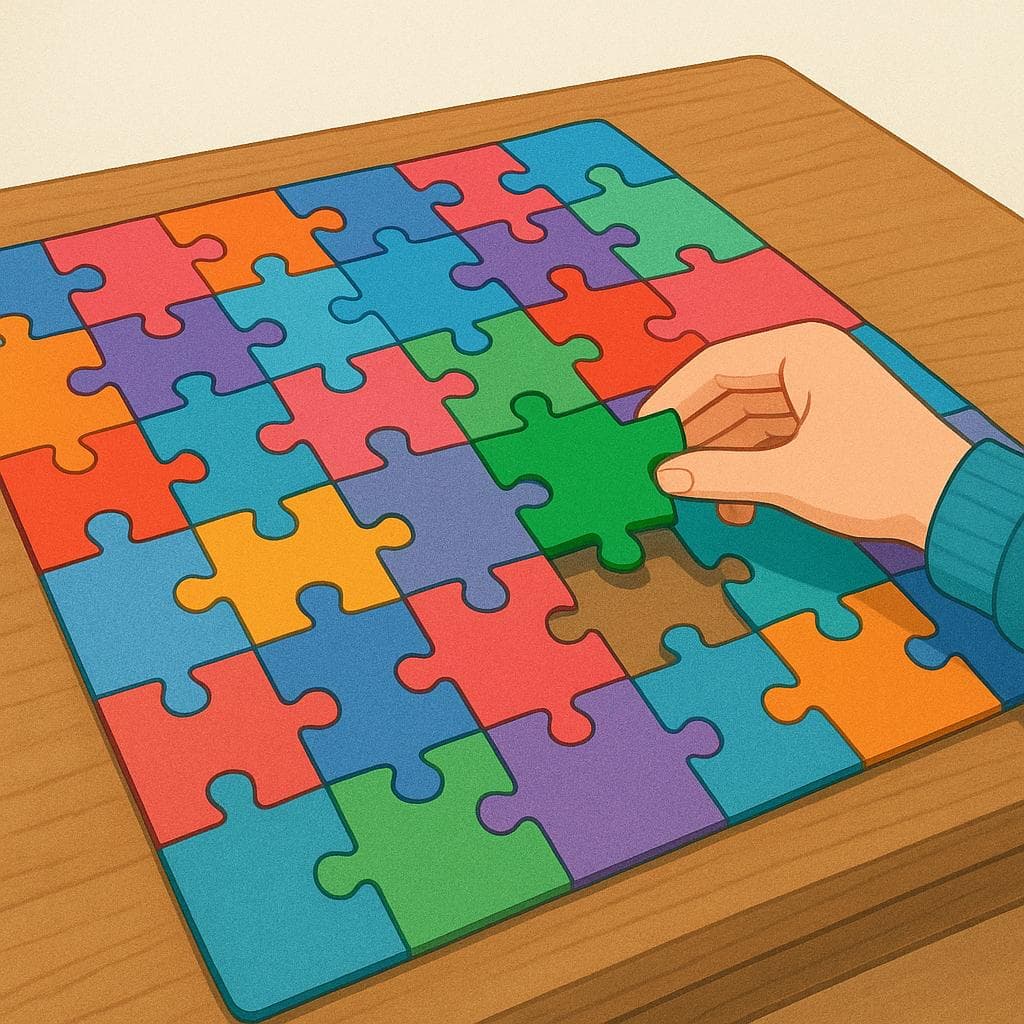

will finish, will completeAlso: will end

📝 In Action
Ella terminará el informe antes de la cena.
A1She will finish the report before dinner.
¿Usted terminará la carrera este año?
A2Will you (formal) finish the degree this year?
El robot terminará de construir la pared en dos horas.
B1The robot will finish building the wall in two hours.
Word Connections
will end, will be overAlso: will expire

📝 In Action
La película terminará a las diez en punto.
A2The movie will end exactly at ten o'clock.
El contrato de alquiler terminará el próximo mes.
B1The rental contract will expire next month.
La lluvia terminará pronto, no te preocupes.
B1The rain will stop soon, don't worry.
Word Connections
Indicative
Present
Imperfect
Preterite
Subjunctive
Present Subjunctive
Imperfect Subjunctive
Translate to Spanish
Words that translate to "terminará" in Spanish:
✏️ Quick Practice
Quick Quiz: terminará
Question 1 of 2
Which sentence correctly uses 'terminará' to mean 'The class will end'?
📚 More Resources
👥 Word Family
📚 Etymology
The word comes from the Latin verb *terminare*, meaning 'to set bounds or limits' or 'to finish.' It has been used in Spanish since the Middle Ages with the primary sense of bringing something to its conclusion.
First recorded: 13th century
Cognates (Related words)
💡 Master Spanish
Take your Spanish to the next level. Read 200+ illustrated and narrated Spanish stories tailored to your level with the Inklingo app!
Frequently Asked Questions
What is the difference between 'terminará' and 'va a terminar'?
Both mean 'will finish.' 'Terminará' (the simple future) is often used for predictions or scheduled events far in the future. 'Va a terminar' (going to finish) is more common in spoken Spanish for immediate plans or intentions.
How do I know if 'terminará' refers to 'he,' 'she,' or 'you (formal)'?
You can only know from the context of the sentence, as all three subjects (él, ella, usted) use the exact same verb form. Usually, the subject pronoun is included or has been mentioned earlier.