tiburón
“tiburón” means “shark” in Spanish. It has 2 different meanings depending on context:
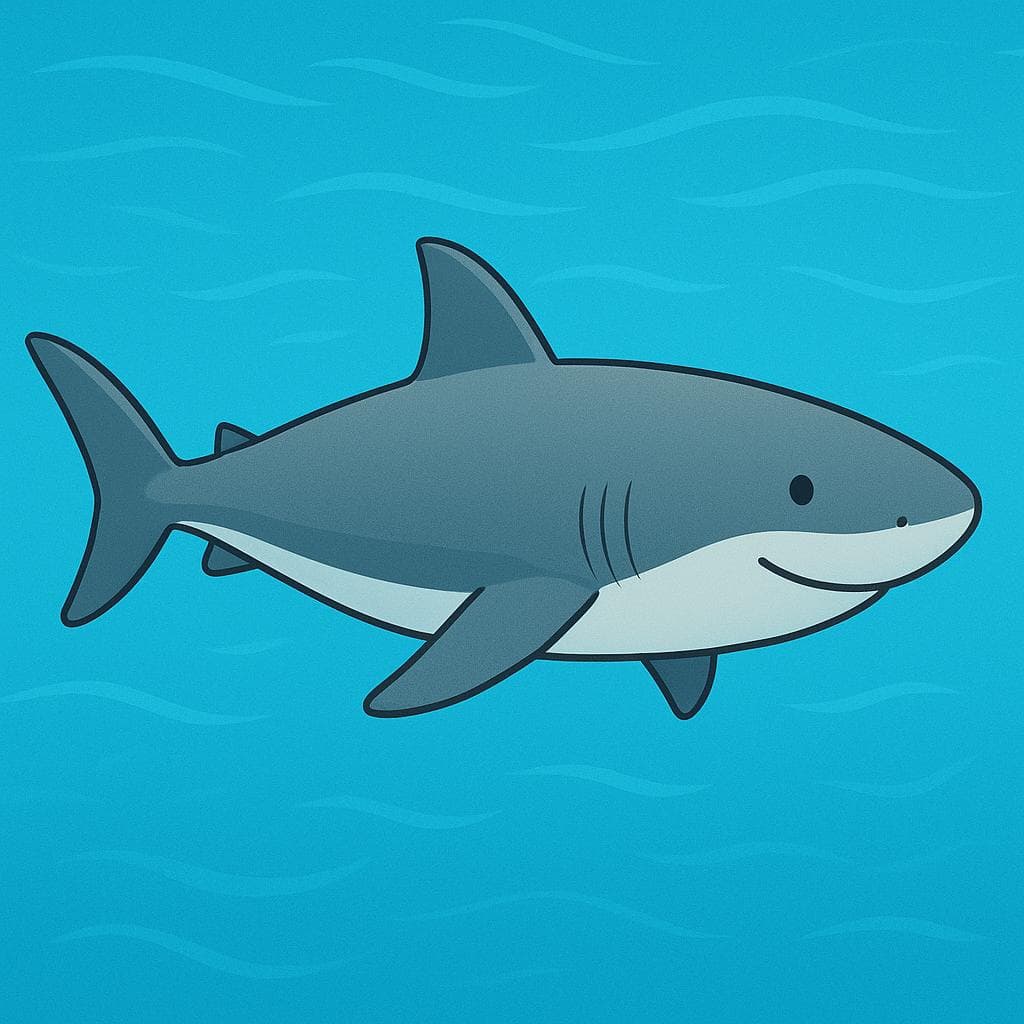

shark

📝 In Action
Vimos un documental sobre el tiburón blanco en la televisión.
A2We saw a documentary about the great white shark on television.
Los tiburones tienen varios dientes de repuesto.
B1Sharks have several replacement teeth.
Word Connections
sharkAlso: tycoon

📝 In Action
Ese inversor es un tiburón de las finanzas; no tiene piedad de nadie.
C1That investor is a finance shark; he has no mercy for anyone.
Hay que tener cuidado con esos tiburones inmobiliarios que solo buscan especular.
C1You have to be careful with those real estate sharks who only look to speculate.
Word Connections
✏️ Quick Practice
Quick Quiz: tiburón
Question 1 of 1
Which sentence uses 'tiburón' in its figurative, non-animal meaning?
📚 More Resources
👥 Word Family
🎵 Rhymes
📚 Etymology
The word 'tiburón' is believed to have originated from indigenous Caribbean languages, specifically from the Taino or Cariban groups, and was adopted by Spanish sailors and explorers in the 16th century, replacing older Spanish terms for large marine predators.
First recorded: 16th century
Cognates (Related words)
💡 Master Spanish
Take your Spanish to the next level. Read 200+ illustrated and narrated Spanish stories tailored to your level with the Inklingo app!
Frequently Asked Questions
¿Existe la palabra 'tiburona'?
Sí, aunque 'el tiburón' es el término estándar para referirse a la especie sin importar su sexo, en el lenguaje muy informal o regional, a veces se usa 'tiburona' para referirse a una mujer muy agresiva en los negocios o una hembra de la especie.
¿Es 'tiburón' un sustantivo masculino o femenino?
Es un sustantivo masculino ('el tiburón'), sin excepción, incluso cuando hablamos de una hembra de la especie.