tomate
“tomate” means “tomato” in Spanish (The fruit used in cooking and salads).
tomato
Also: tomatillo (in some regions)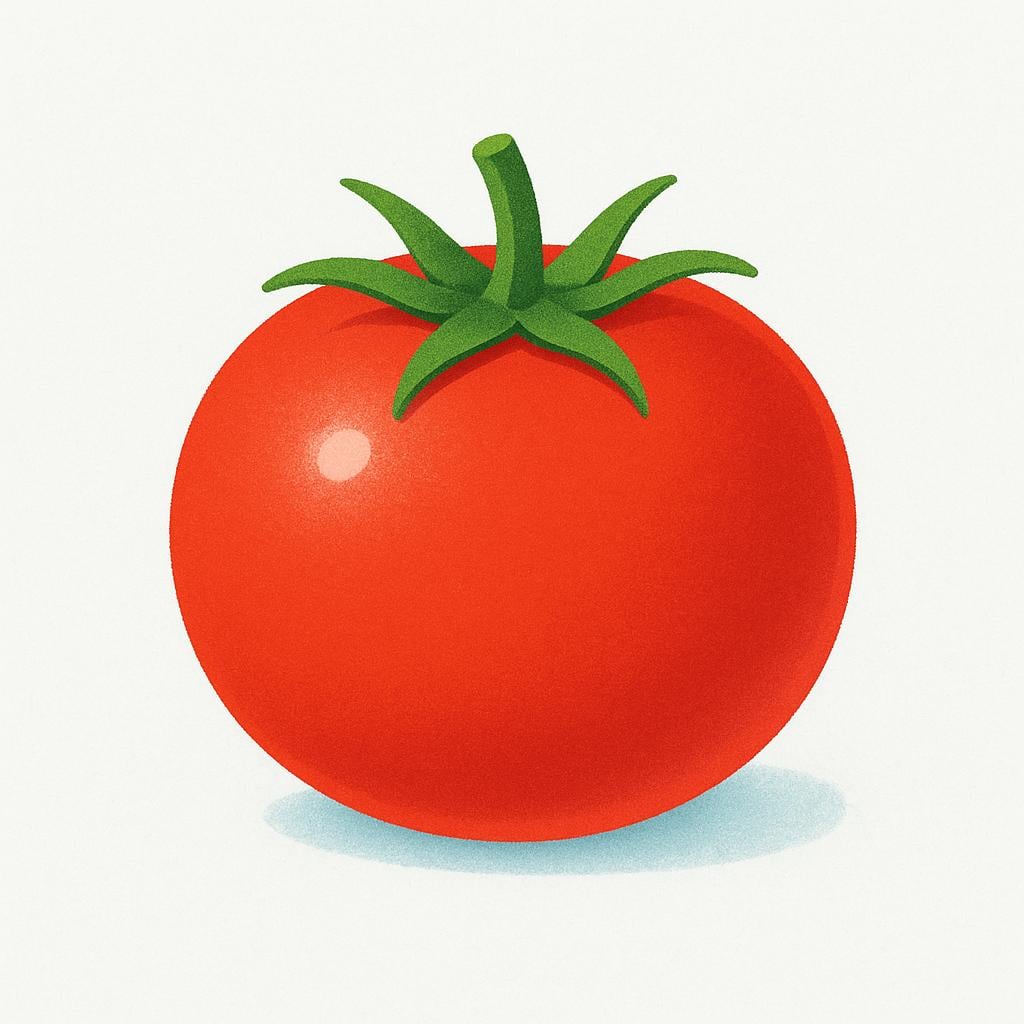
📝 In Action
Necesito un tomate para hacer la salsa.
A1I need a tomato to make the sauce.
El gazpacho es una sopa fría hecha principalmente de tomates.
B1Gazpacho is a cold soup made mainly from tomatoes.
Me gusta poner rodajas de tomate en mi sándwich.
A2I like putting slices of tomato on my sandwich.
✏️ Quick Practice
Quick Quiz: tomate
Question 1 of 2
If you are in Mexico and ask for 'tomate' at the market, what will you most likely receive?
📚 More Resources
👥 Word Family▼
📚 Etymology▼
The word 'tomate' comes from the Nahuatl language (the language of the Aztecs in ancient Mexico) word 'tomatl'. This shows how important the plant was in the Americas before it was brought to Europe.
First recorded: 16th century (in Spanish documentation)
Cognates (Related words)
💡 Master Spanish
Take your Spanish to the next level. Read 200+ illustrated and narrated Spanish stories tailored to your level with the Inklingo app!
Frequently Asked Questions
Is 'tomate' masculine or feminine?
'Tomate' is a masculine noun. Always use 'el tomate' or 'un tomate'.
What is the difference between 'tomate' and 'jitomate'?
This depends entirely on where you are. In Spain and most of South America, 'tomate' is the standard red tomato. In Mexico, 'jitomate' is the red tomato, and 'tomate' is the smaller, green tomatillo.