tour
“tour” means “tour” in Spanish. It has 2 different meanings depending on context:
tour
Also: visita guiada, excursión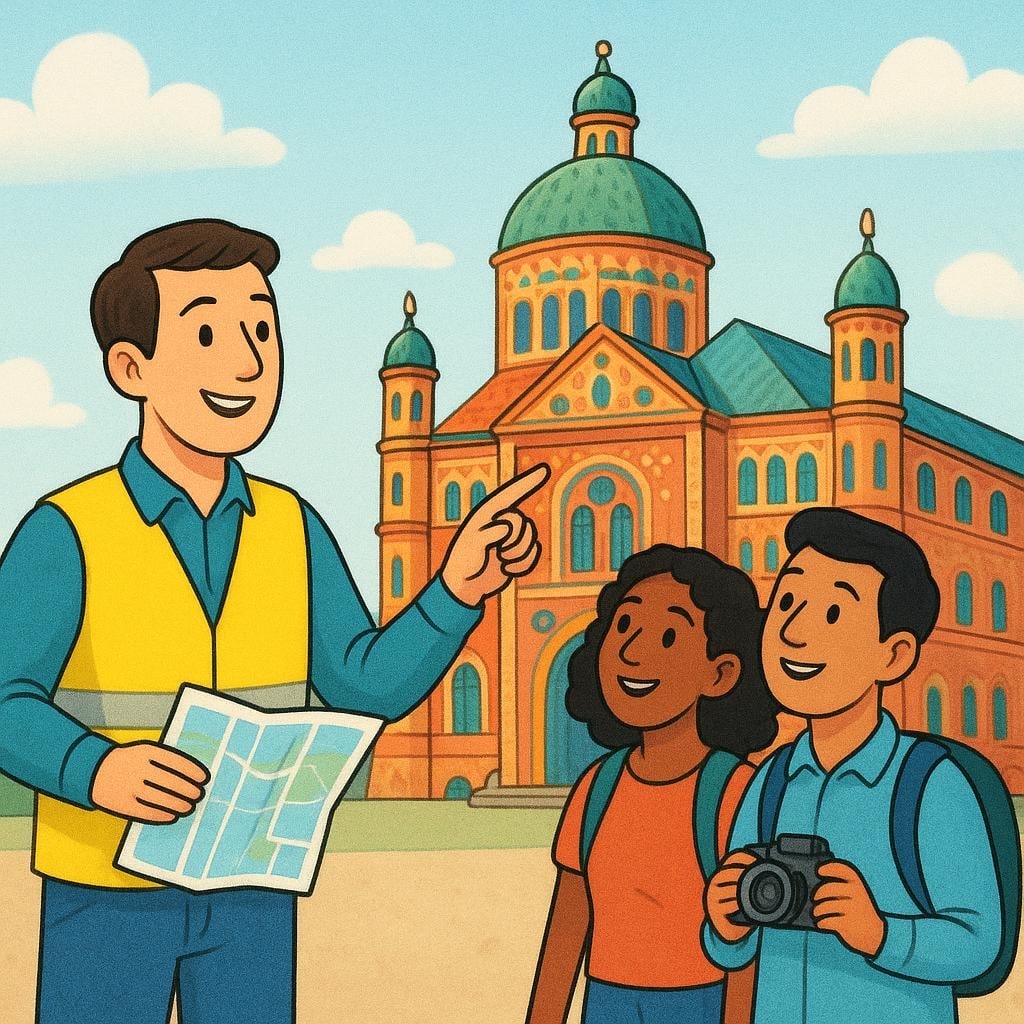
📝 In Action
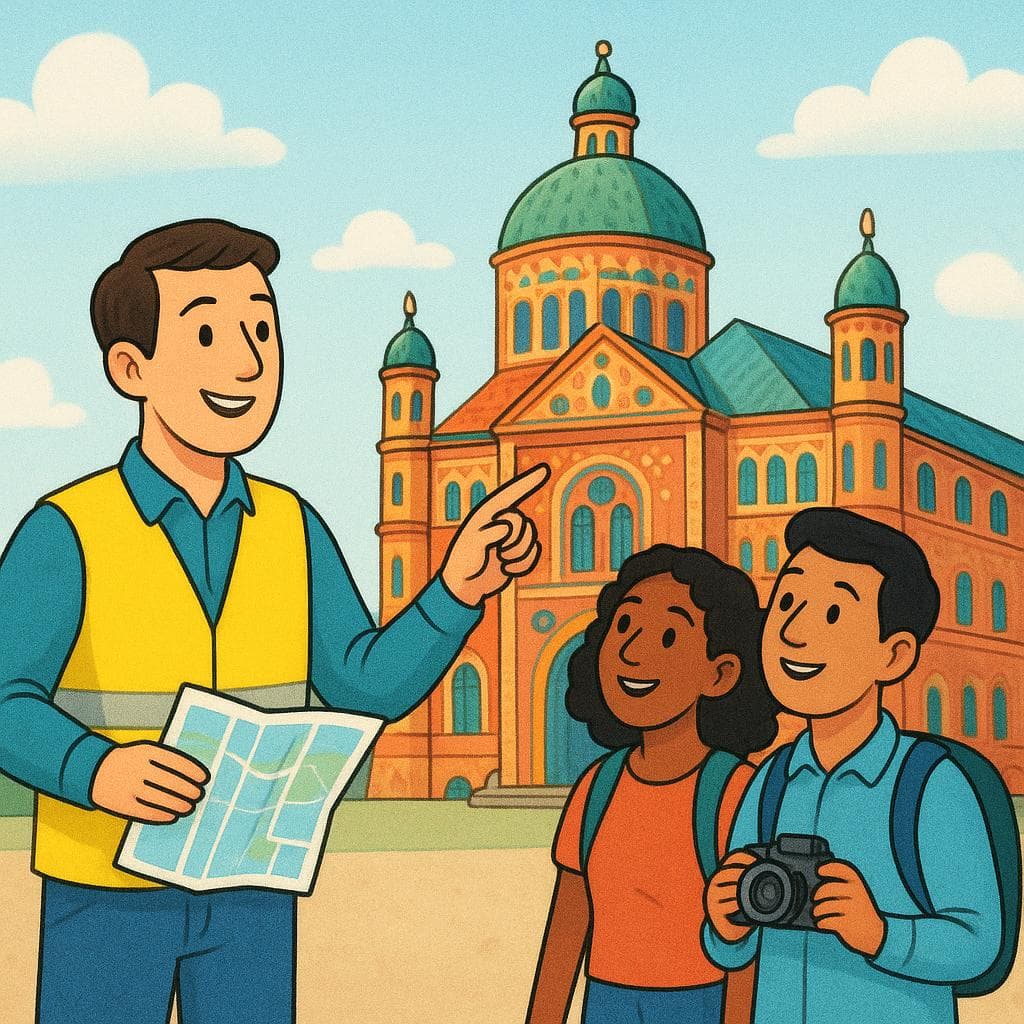
Hicimos un tour de tres horas por el centro de la ciudad.
A2We did a three-hour tour of the city center.
¿A qué hora sale el tour para ver las pirámides?
A2What time does the tour to see the pyramids leave?
El tour incluye transporte y almuerzo.
B1The tour includes transportation and lunch.
tour
Also: gira, circuito
📝 In Action
La banda de rock anunció su tour mundial para el próximo año.
B1The rock band announced their world tour for next year.
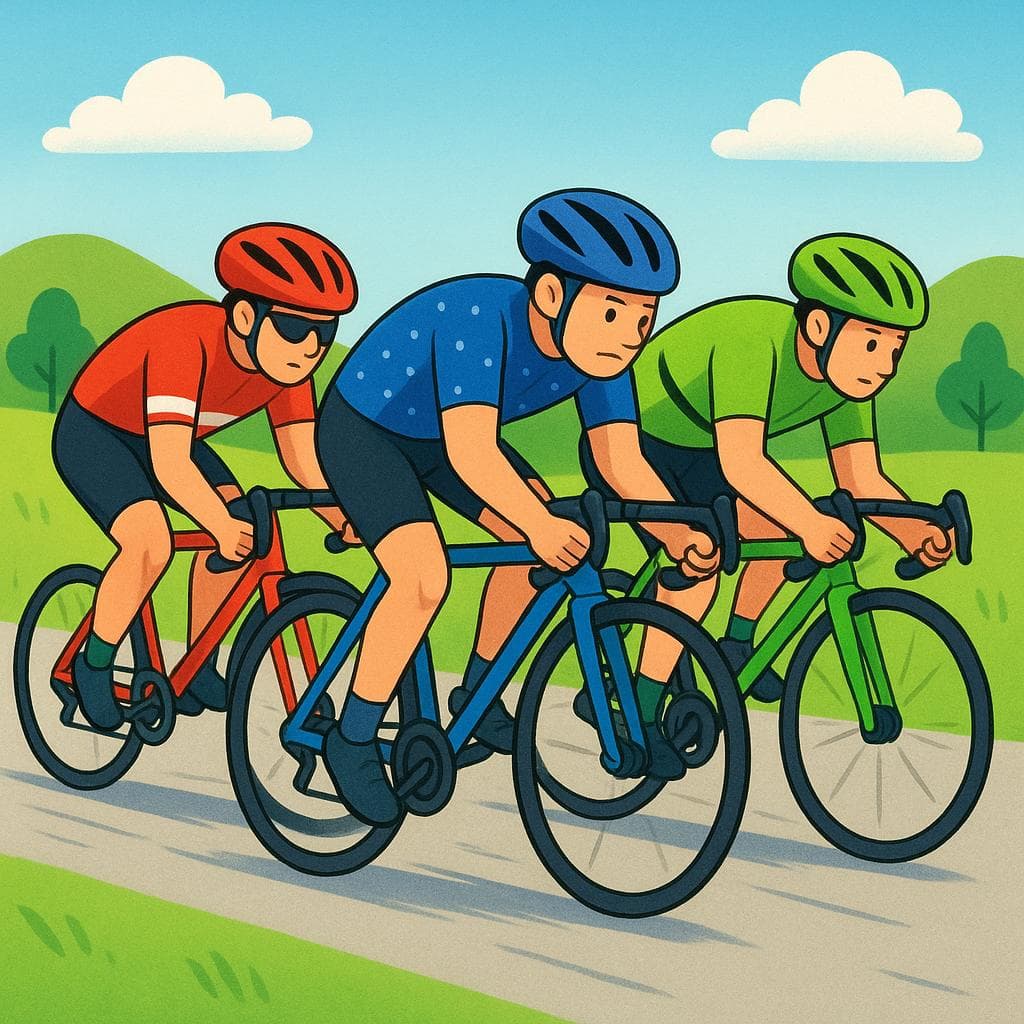
El Tour de Francia es la carrera de ciclismo más exigente.
B2The Tour de France is the most demanding cycling race.
Translate to Spanish
✏️ Quick Practice
Quick Quiz: tour
Question 1 of 2
Which sentence uses 'tour' in the context of a competition or performance circuit?
📚 More Resources
👥 Word Family▼
📚 Etymology▼
'Tour' is a French/English loanword adopted directly into Spanish. Its roots trace back to the Latin word *tornus*, meaning 'a turn' or 'a circle,' reflecting the idea of completing a circuit or journey.
First recorded: Mid-20th century (in Spanish usage, increasing significantly with modern travel and media)
Cognates (Related words)
💡 Master Spanish
Take your Spanish to the next level. Read 200+ illustrated and narrated Spanish stories tailored to your level with the Inklingo app!
Frequently Asked Questions
Is 'tour' masculine or feminine?
It is always masculine, 'el tour,' even though it ends in 'r'. This is common for foreign words adopted into Spanish.
Should I use 'tour' or 'gira' when talking about music?
Both are understood. 'Tour' is very common in media, but 'gira' is the native Spanish word and is often preferred when discussing a band's series of concerts.