uds
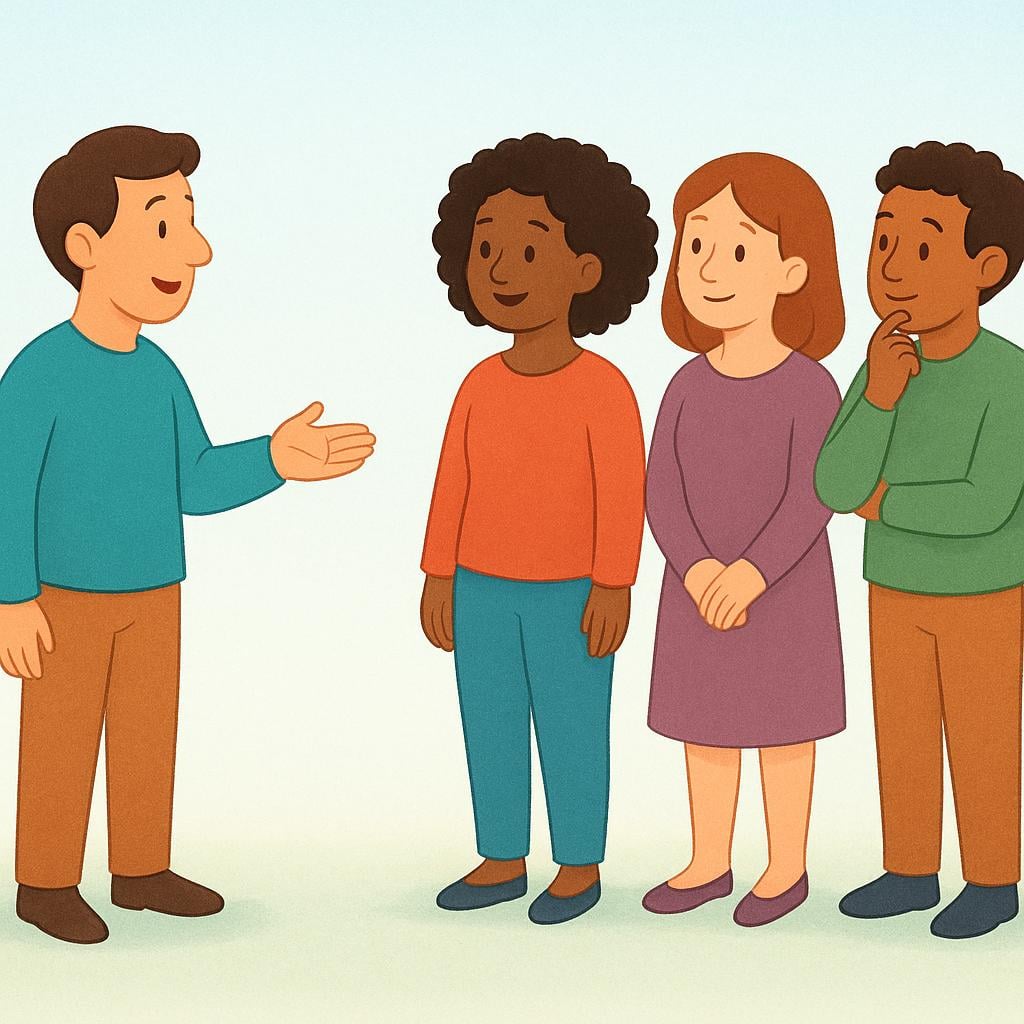
“uds” means “you (plural)” in Spanish (Addressing a group of people).
you (plural)Also: y'all
📝 In Action
Uds. deben traer su pasaporte mañana.
A1You all must bring your passports tomorrow.
¿A qué hora llegan Uds. al aeropuerto?
A2What time are you (plural) arriving at the airport?
Si Uds. lo deciden, podemos empezar ahora.
B1If you decide, we can start now.
Word Connections
Translate to Spanish
Words that translate to "uds" in Spanish:
✏️ Quick Practice
Quick Quiz: uds
Question 1 of 2
If you are in Mexico and talking to a group of friends, which is the correct pronoun to use?
📚 More Resources
👥 Word Family
📚 Etymology
The full word, 'ustedes,' is a contraction of the old Spanish phrase 'vuestras mercedes' (your graces/mercies), which was a highly formal way to address nobles hundreds of years ago. Over time, it shortened and lost its formal connotation in many regions.
First recorded: The full form 'vuestras mercedes' appeared in the 15th century; the contraction 'ustedes' solidified later.
💡 Master Spanish
Take your Spanish to the next level. Read 200+ illustrated and narrated Spanish stories tailored to your level with the Inklingo app!
Frequently Asked Questions
Is 'Uds.' the same as 'ustedes'?
Yes, 'Uds.' is simply the written abbreviation for the plural pronoun 'ustedes.' They mean the exact same thing: 'you (plural).'
Why does 'Uds.' use the same verb form as 'ellos' and 'ellas'?
Because 'ustedes' historically started as a third-person phrase ('your graces'). Even though it means 'you,' it kept the third-person verb endings, which is why it agrees with 'they' (ellos/ellas).