unirte
“unirte” means “to join” in Spanish (becoming a member of a group, club, or digital platform).
to join
Also: to unite with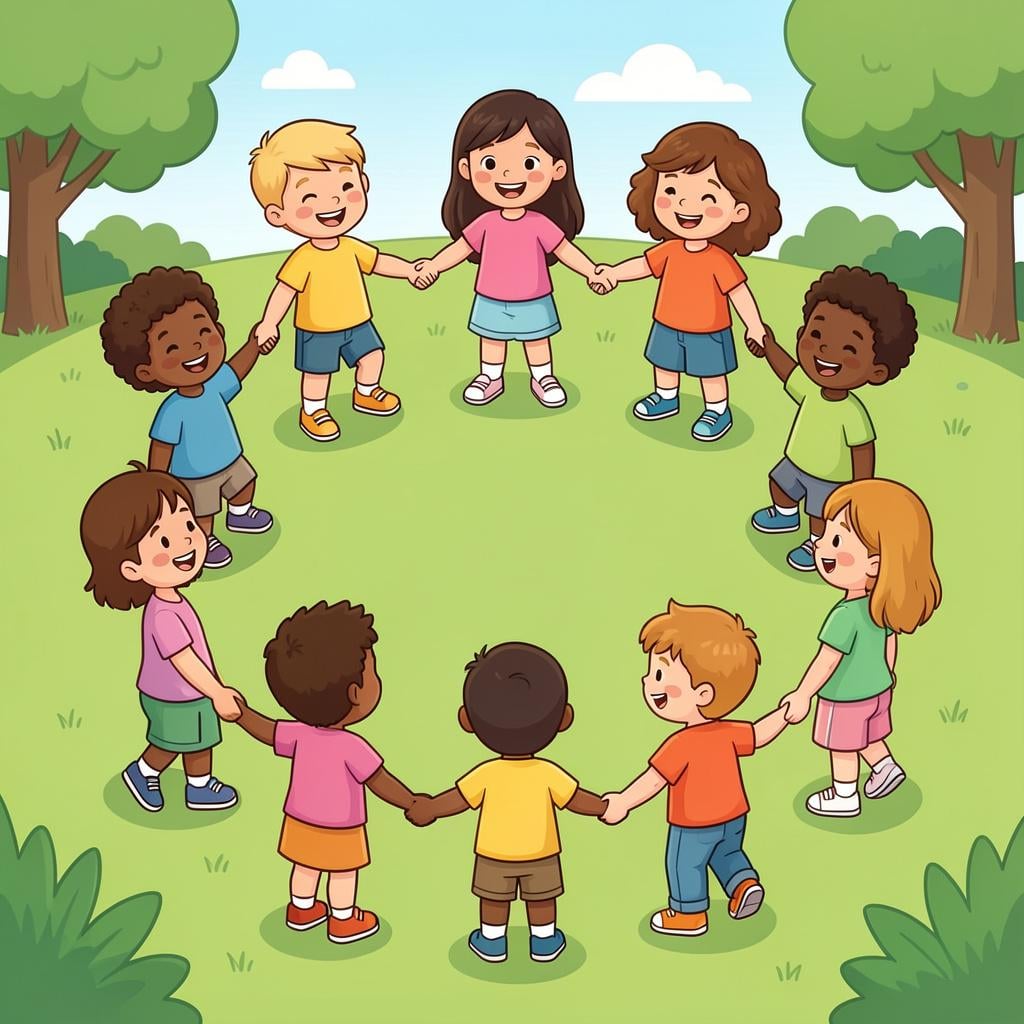
📝 In Action
¿Quieres unirte a nuestro equipo de fútbol?
A1Do you want to join our soccer team?
Es una gran oportunidad para unirte a la conversación.
B1It is a great opportunity to join the conversation.
Gracias por unirte a nosotros esta noche.
A2Thank you for joining us tonight.
Subjunctive
Imperfect Subjunctive
Present Subjunctive
Indicative
Preterite
Imperfect
Present
Translate to Spanish
Words that translate to "unirte" in Spanish:
to join→✏️ Quick Practice
Quick Quiz: unirte
Question 1 of 1
Which sentence correctly uses 'unirte'?
📚 More Resources
👥 Word Family▼
🎵 Rhymes▼
📚 Etymology▼
From the Latin 'unire', which means 'to make one'. The 'te' is a Spanish pronoun added to indicate that the person being spoken to is the one performing the action.
First recorded: 12th century (root verb 'unir')
Cognates (Related words)
💡 Master Spanish
Take your Spanish to the next level. Read 200+ illustrated and narrated Spanish stories tailored to your level with the Inklingo app!
Frequently Asked Questions
Why is the 'te' at the end of the word?
In Spanish, when a verb is in its basic 'infinitive' form (ending in -ar, -er, or -ir), pronouns like 'te' (you) are attached directly to the end of the word.
Can I say 'unirte a' or just 'unirte'?
You almost always need 'a' after 'unirte' if you are specifying what you are joining (e.g., 'unirte a la fiesta').