uñas
“uñas” means “fingernails” in Spanish. It has 2 different meanings depending on context:
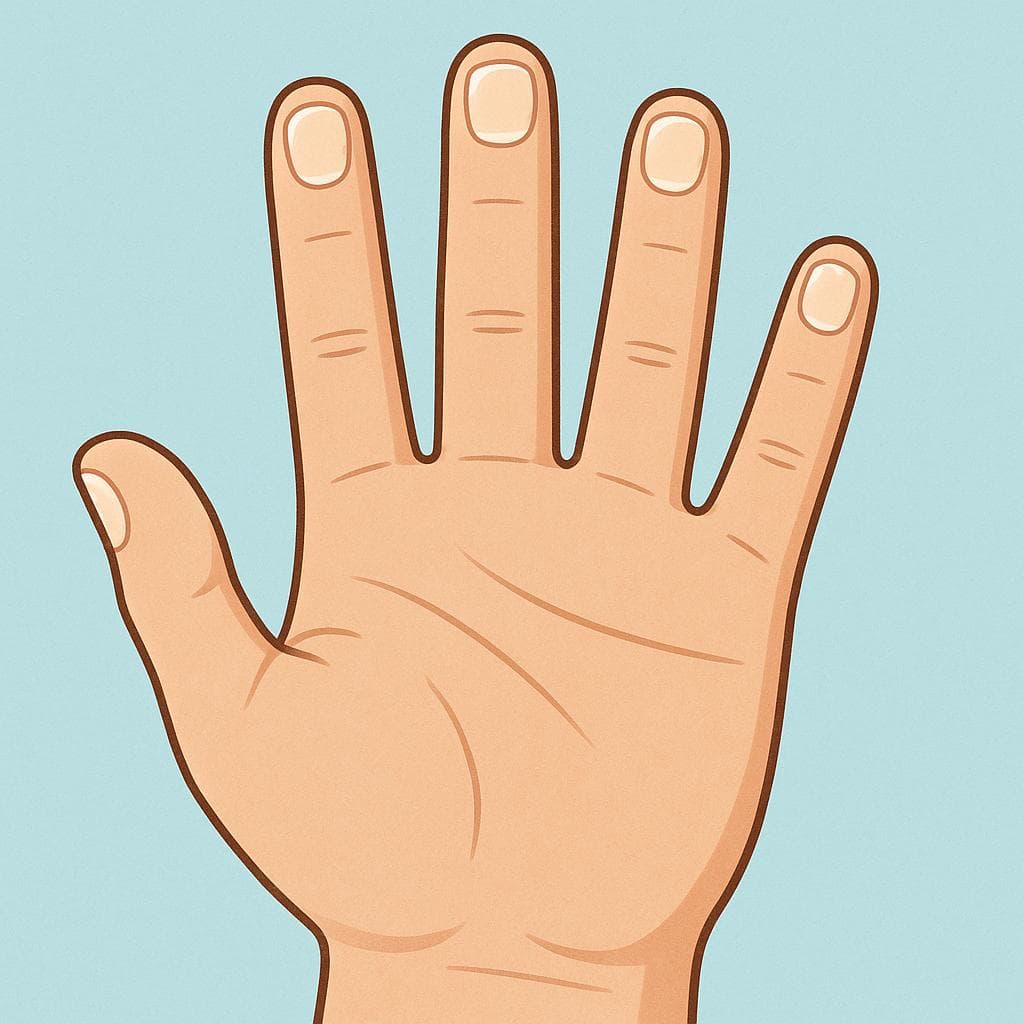

fingernails, toenailsAlso: nails
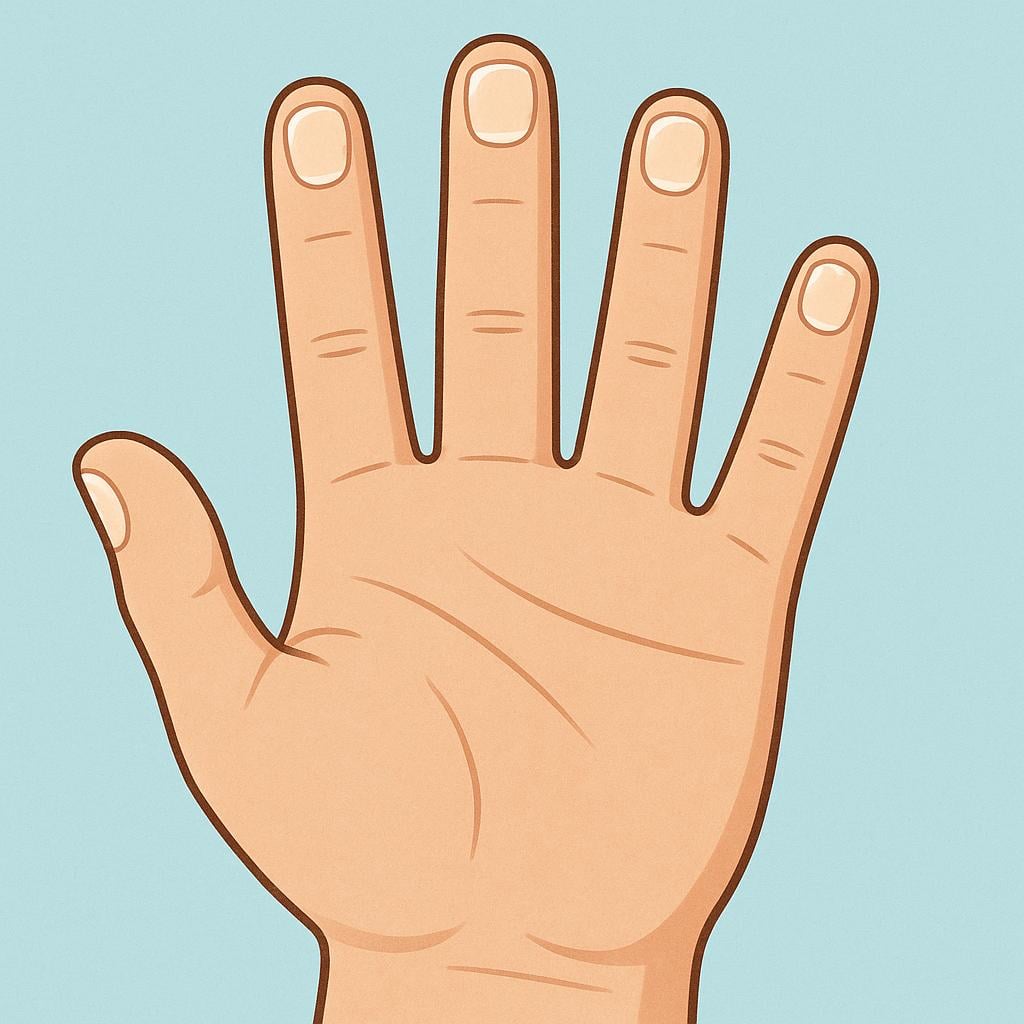
📝 In Action
Necesito cortar mis uñas porque están muy largas.
A1I need to cut my nails because they are very long.
Me gusta pintarme las uñas de color rojo.
A2I like to paint my nails red.
Mi perro no deja de lamerse las uñas de las patas.
A2My dog won't stop licking the nails on his paws.
Word Connections
claws, talons

📝 In Action
Cuando lo criticaron, él sacó las uñas y se defendió con fuerza.
B2When they criticized him, he showed his claws (got defensive) and defended himself fiercely.
Esas dos hermanas son uña y carne; no pueden estar separadas.
B1Those two sisters are like two peas in a pod (inseparable); they can't be apart.
La vida en la ciudad es dura, hay que luchar con uñas y dientes.
B2Life in the city is tough, you have to fight tooth and nail.
Word Connections
Translate to Spanish
Words that translate to "uñas" in Spanish:
✏️ Quick Practice
Quick Quiz: uñas
Question 1 of 2
Which sentence uses 'uñas' to mean 'inseparable friends'?
📚 More Resources
👥 Word Family
🎵 Rhymes
📚 Etymology
Comes from the Latin word *ungula*, which meant 'claw,' 'hoof,' or 'fingernail.' This shared root is why the word is connected to both human nails and animal claws.
First recorded: Medieval Spanish (c. 13th century)
Cognates (Related words)
💡 Master Spanish
Take your Spanish to the next level. Read 200+ illustrated and narrated Spanish stories tailored to your level with the Inklingo app!
Frequently Asked Questions
Is 'uña' (singular) used often?
Yes, 'uña' is used when you are specifically referring to one single nail (e.g., 'Me rompí una uña' - I broke one nail). However, when talking about the general act of grooming or the whole set, the plural 'uñas' is much more common.
How do I know if 'uñas' means fingernails or toenails?
Usually, the context tells you. If you are talking about painting them (*pintarse*), it almost always means fingernails. If you need to be precise, you can add 'de los pies' (of the feet) for toenails or 'de las manos' (of the hands) for fingernails, but this is often unnecessary.