vientos
“vientos” means “winds” in Spanish. It has 3 different meanings depending on context:


winds
Also: currents
📝 In Action
Los vientos del norte son muy fríos en esta época.
A1The northern winds are very cold at this time of year.
El barco navega a favor de los vientos.
A2The boat sails in favor of the winds.
wind section
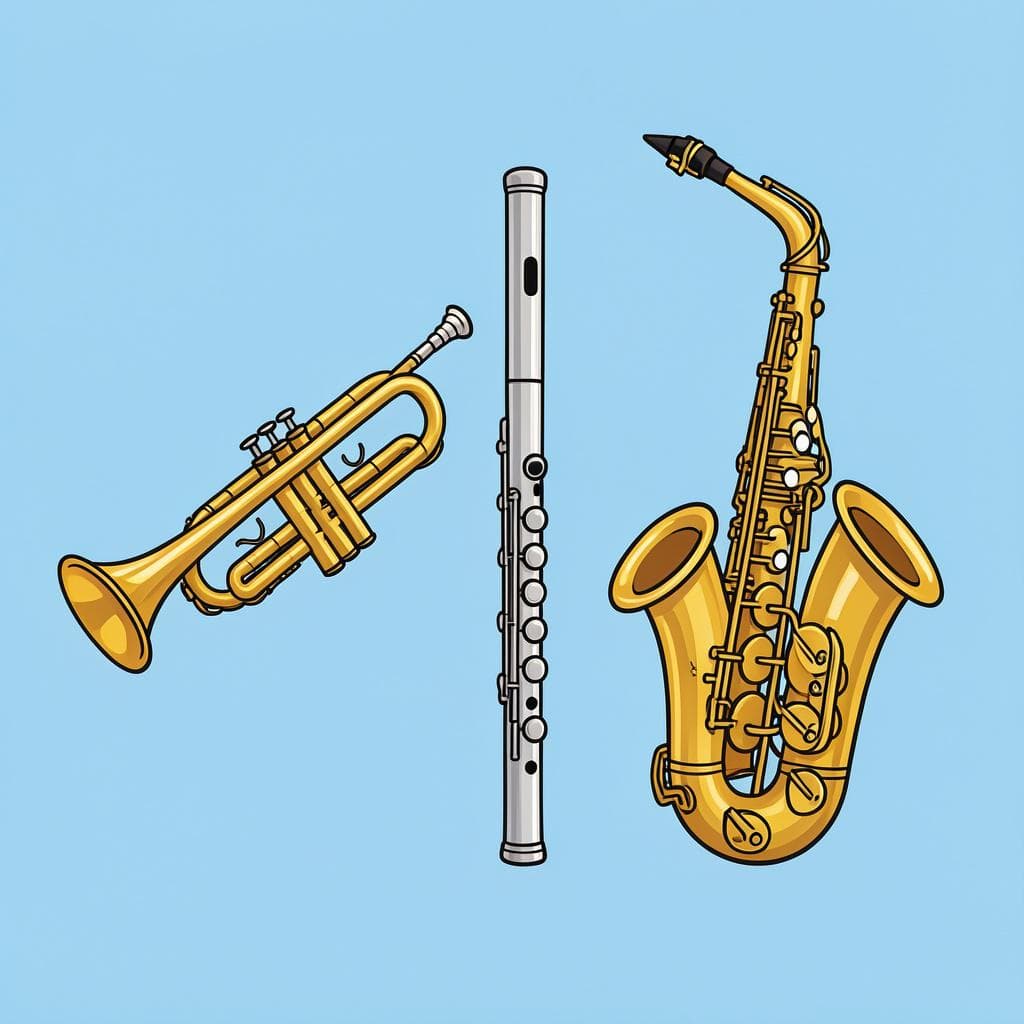
Also: woodwinds and brass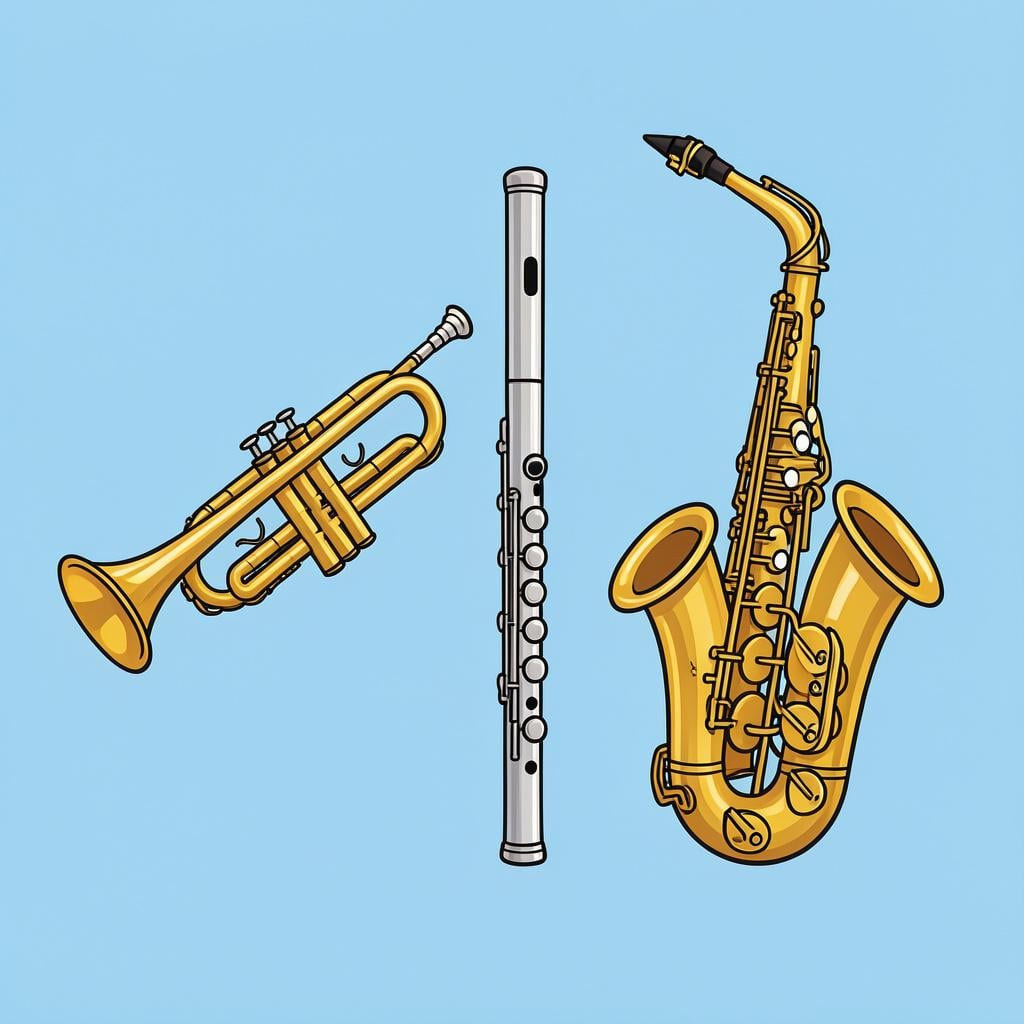
📝 In Action
Los vientos de la orquesta necesitan ensayar más.
B1The orchestra's wind section needs to rehearse more.
Cool!
Also: Great!
📝 In Action
—¡Conseguí las entradas! —¡Vientos! Nos vemos allá.
B2—I got the tickets! —Cool! See you there.
Translate to Spanish
✏️ Quick Practice
Quick Quiz: vientos
Question 1 of 2
If a friend in Mexico says '¡Vientos!' after you tell them good news, what do they mean?
📚 More Resources
👥 Word Family▼
📚 Etymology▼
From the Latin 'ventus', which refers to the movement of air.
First recorded: 12th century
Cognates (Related words)
💡 Master Spanish
Take your Spanish to the next level. Read 200+ illustrated and narrated Spanish stories tailored to your level with the Inklingo app!
Frequently Asked Questions
Is 'vientos' the same as 'vienes'?
No. 'Vientos' means winds or 'cool,' while 'vienes' comes from the verb 'venir' and means 'you come'.
Can I use 'vientos' to mean 'cool' in Spain?
Not really. It is very specific to Mexico. In Spain, you would more likely hear '¡Qué guay!' or '¡Genial!'.