vientre
“vientre” means “belly” in Spanish. It has 2 different meanings depending on context:

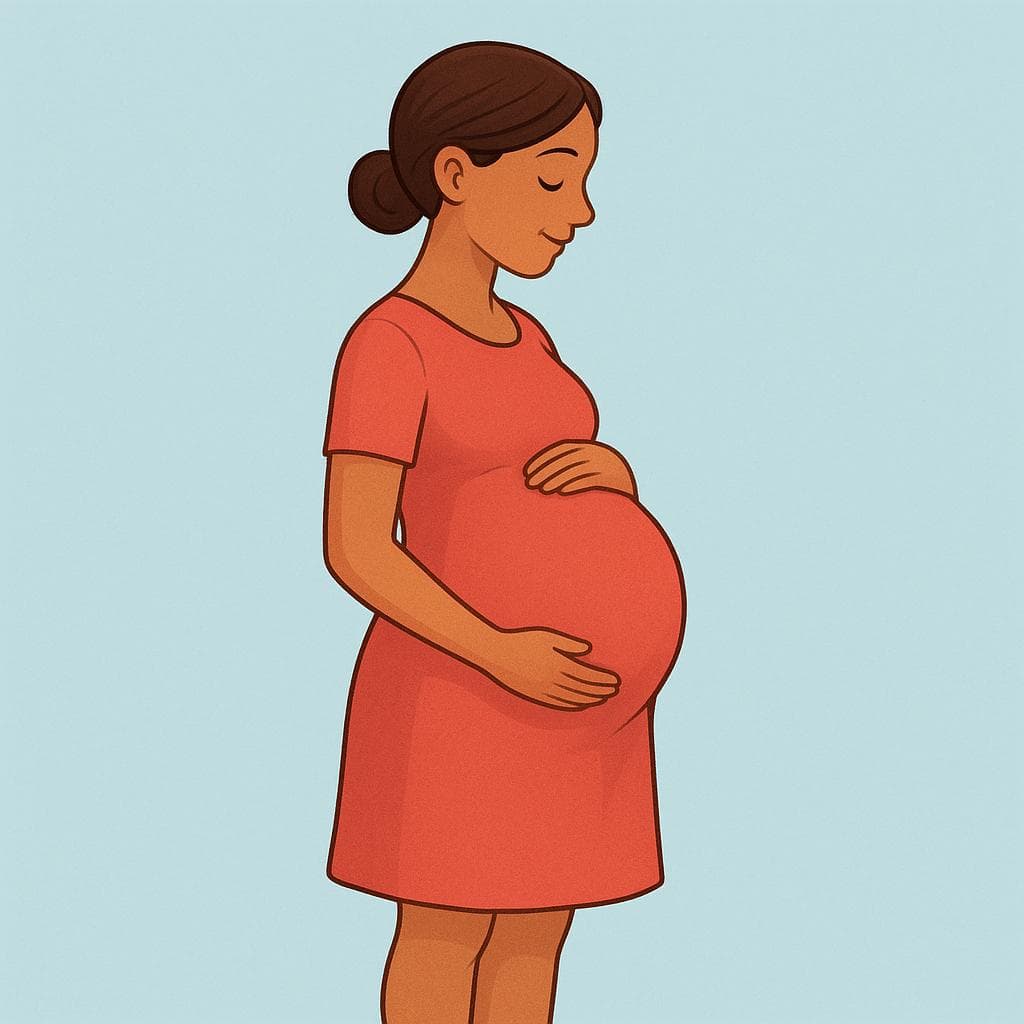
belly, stomach
Also: tummy
📝 In Action
Me duele el vientre después de comer demasiado.
A2My belly hurts after eating too much.
El bebé durmió boca abajo sobre el vientre de su padre.
A2The baby slept face down on his father's stomach.
La bailarina tenía un vientre plano y fuerte.
B1The dancer had a flat, strong abdomen.
womb
Also: hold, interior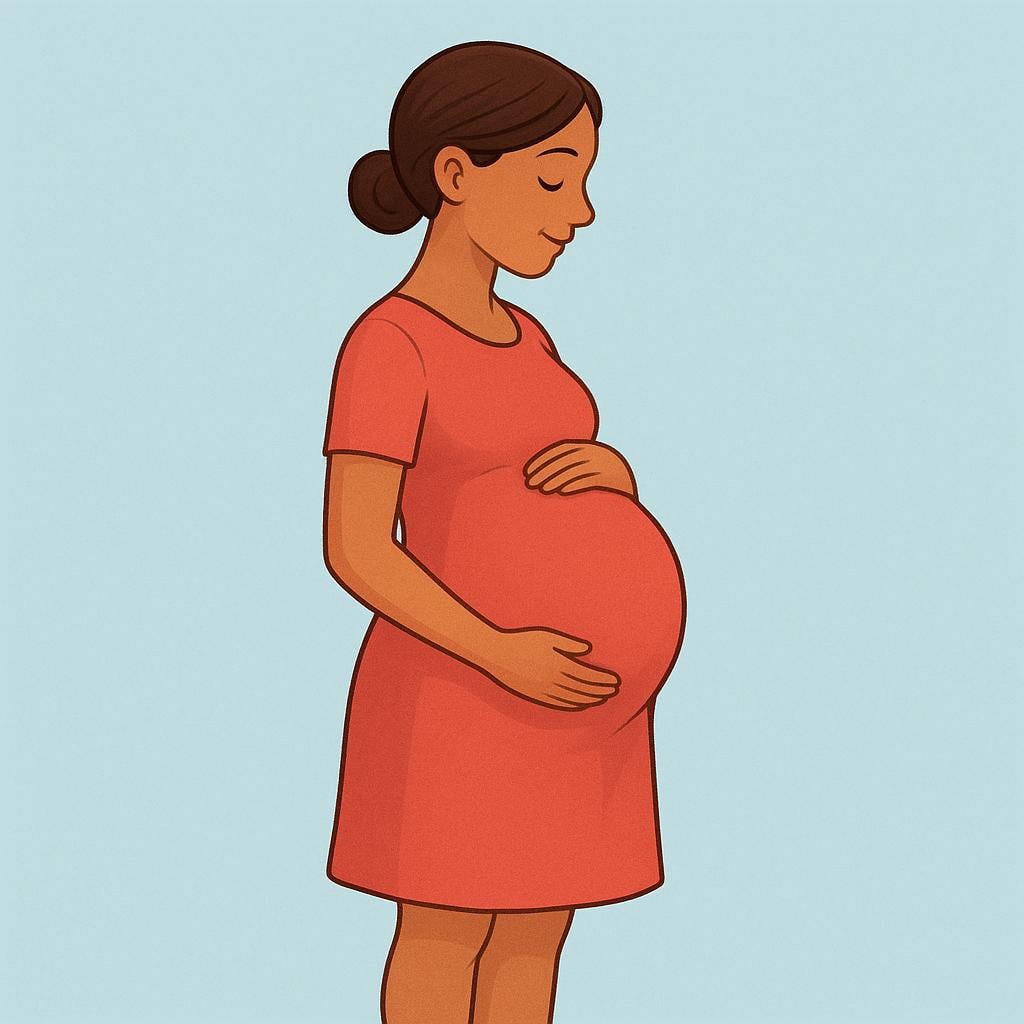
📝 In Action
La madre llevó a su hijo en el vientre durante nueve meses.
B2The mother carried her son in her womb for nine months.
El cargamento fue guardado en el vientre oscuro del buque.
C1The cargo was stored in the dark hold (belly) of the vessel.
Translate to Spanish
✏️ Quick Practice
Quick Quiz: vientre
Question 1 of 2
¿Qué palabra usarías para hablar de la parte del cuerpo donde se lleva un bebé antes de nacer?
📚 More Resources
👥 Word Family▼
📚 Etymology▼
The word comes from the Latin term *venter*, which meant 'belly,' 'stomach,' or 'womb.' The core meaning has remained consistent over centuries, referring to the large, central cavity of the body or other objects.
First recorded: Around the 13th century in Spanish.
Cognates (Related words)
💡 Master Spanish
Take your Spanish to the next level. Read 200+ illustrated and narrated Spanish stories tailored to your level with the Inklingo app!
Frequently Asked Questions
Is 'vientre' the same as 'estómago'?
Not exactly. 'Vientre' means the whole 'belly' or 'abdomen' area, the outside part. 'Estómago' refers specifically to the internal organ (stomach) that digests food. However, sometimes people use 'estómago' informally to mean the general abdominal area.
Why is 'vientre' masculine if it can mean 'womb'?
In Spanish, the gender of a noun is often unrelated to the gender of the person or thing it describes. 'Vientre' inherited its masculine gender from its Latin root, *venter*, which was also masculine.