yoga
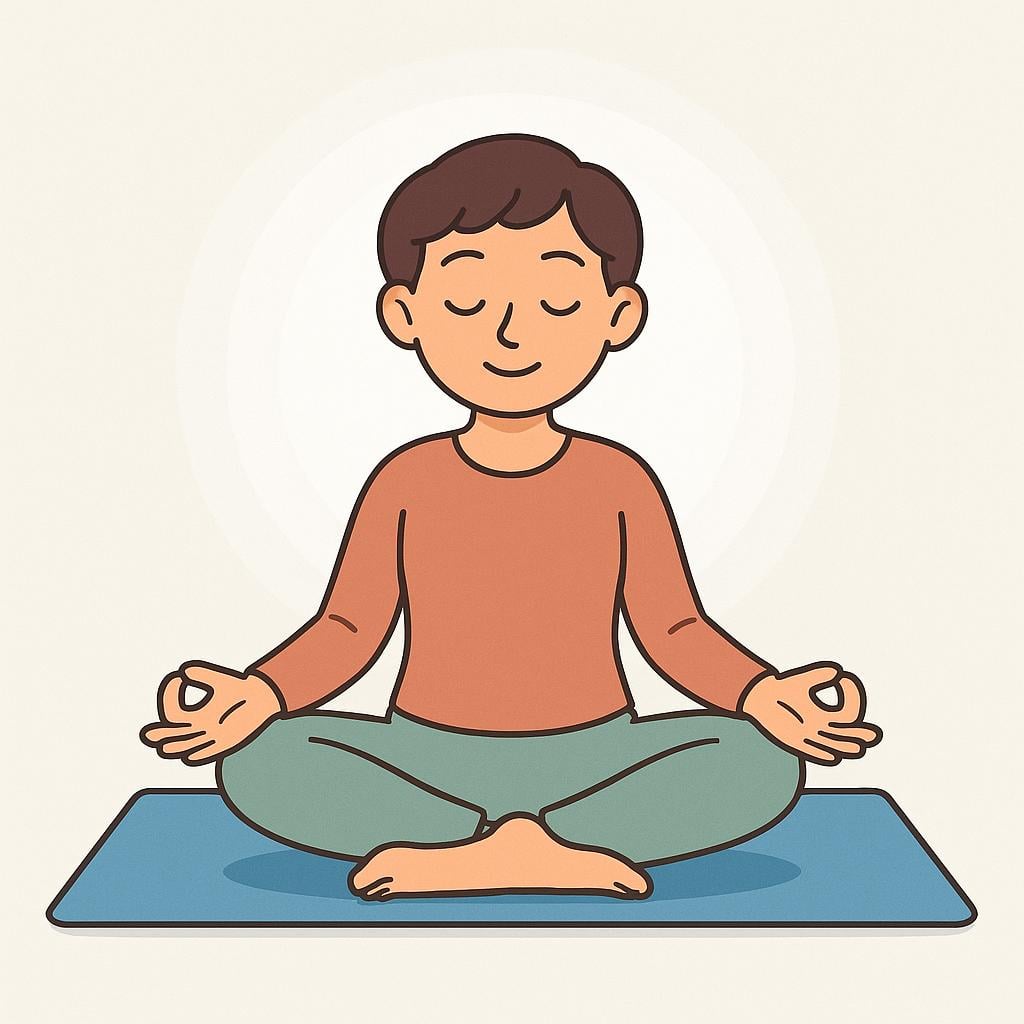
“yoga” means “yoga” in Spanish (physical and spiritual discipline).
yogaAlso: meditation practice
📝 In Action
Hago yoga dos veces por semana para relajarme.
A1I do yoga twice a week to relax.
El yoga es muy bueno para mejorar la flexibilidad.
A2Yoga is very good for improving flexibility.
Mi hermana es profesora de yoga y meditación.
B1My sister is a yoga and meditation teacher.
Word Connections
Translate to Spanish
Words that translate to "yoga" in Spanish:
✏️ Quick Practice
Quick Quiz: yoga
Question 1 of 1
Which sentence correctly uses the word 'yoga' in Spanish?
📚 More Resources
👥 Word Family
🎵 Rhymes
📚 Etymology
This word comes directly from Sanskrit, an ancient language of India. Its root, *yuj*, means 'to join,' 'to unite,' or 'to yoke,' referring to the union of the body, mind, and spirit.
First recorded: Mid-20th century in common Western usage (Spanish adoption followed soon after).
Cognates (Related words)
💡 Master Spanish
Take your Spanish to the next level. Read 200+ illustrated and narrated Spanish stories tailored to your level with the Inklingo app!
Frequently Asked Questions
Is 'yoga' pronounced differently in Spanish than in English?
Yes, slightly. In Spanish, the 'y' sounds like a soft 'j' or 'ee' sound (like in 'yellow'), and the 'g' is soft, making it sound closer to 'YOH-gah' or 'JOH-gah'.
If 'yoga' ends in -a, why is it masculine?
Many words borrowed from other languages (especially Greek, like 'planeta' or 'problema') keep their original gender, which often happens to be masculine, even if they end in -a. Think of it as an exception to the rule you need to memorize!