zapato
“zapato” means “shoe” in Spanish (an item of footwear).
shoe
Also: footwear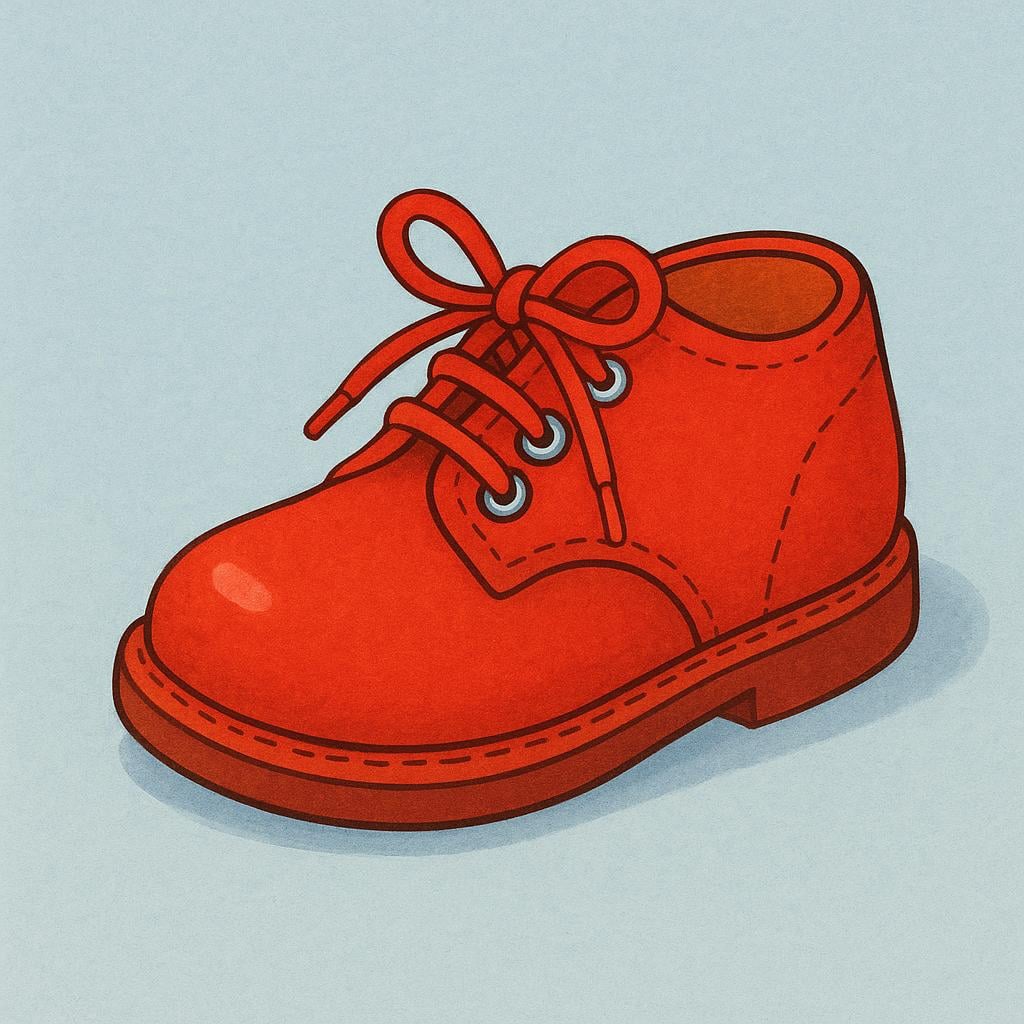
📝 In Action
Perdí un zapato cuando corría bajo la lluvia.
A1I lost one shoe when I was running in the rain.
Necesito unos zapatos cómodos para caminar todo el día.
A1I need comfortable shoes to walk all day.
Estos zapatos de cuero son muy elegantes y caros.
A2These leather shoes are very elegant and expensive.
Translate to Spanish
🗣️ Practice in a Tongue Twister
✏️ Quick Practice
Quick Quiz: zapato
Question 1 of 1
Which sentence correctly uses 'zapato' when talking about a typical pair of shoes?
📚 More Resources
👥 Word Family▼
📚 Etymology▼
The word 'zapato' is believed to have entered Spanish through Arabic, likely derived from the Arabic word *sabbáṭ* (meaning 'shoe' or 'sandal'). This shows how language travels and borrows essential words for everyday life.
First recorded: 13th century
Cognates (Related words)
💡 Master Spanish
Take your Spanish to the next level. Read 200+ illustrated and narrated Spanish stories tailored to your level with the Inklingo app!
Frequently Asked Questions
What is the difference between 'zapato' and 'zapatilla'?
'Zapato' is the general word for shoe. 'Zapatilla' is usually used for lighter footwear, like slippers, sneakers, or sometimes women's high heels, depending on the region. Think of 'zapatilla' as a diminutive (a smaller or lighter version) of 'zapato'.
How do I ask for my size when buying shoes?
You can ask: '¿Cuál es mi número de zapato?' (What is my shoe number/size?) or simply '¿Qué número usa?' (What number do you wear?).