águila
“águila” means “eagle” in Spanish. It has 3 different meanings depending on context:


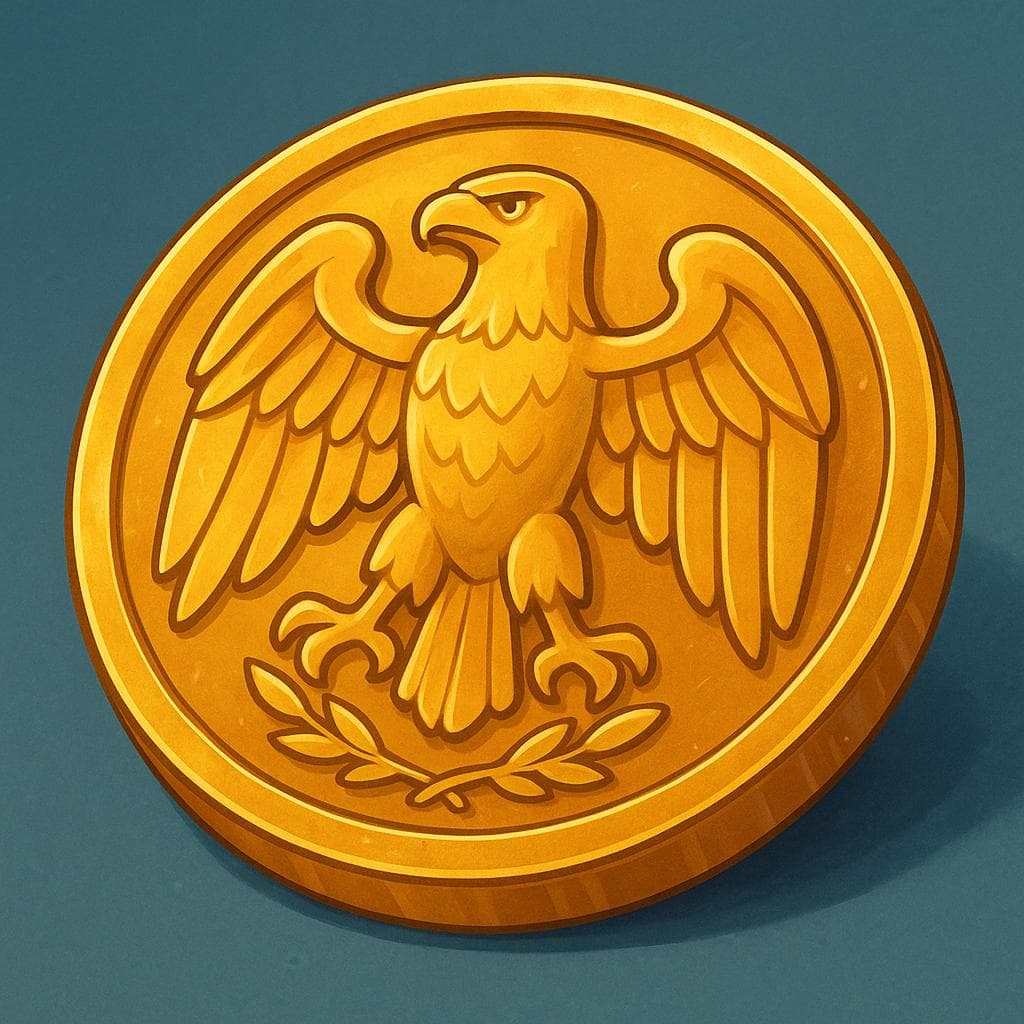
eagle

📝 In Action
El águila real es el símbolo de muchos países.
A1The golden eagle is the symbol of many countries.
Vimos un águila volando sobre los picos de las montañas.
A2We saw an eagle flying over the mountain peaks.
sharp person
Also: whiz
📝 In Action
Para las matemáticas, mi hermana es un águila.
B2When it comes to math, my sister is a whiz/sharp mind.
Necesitamos un águila como tú para resolver este problema.
C1We need an eagle/sharp person like you to solve this problem.
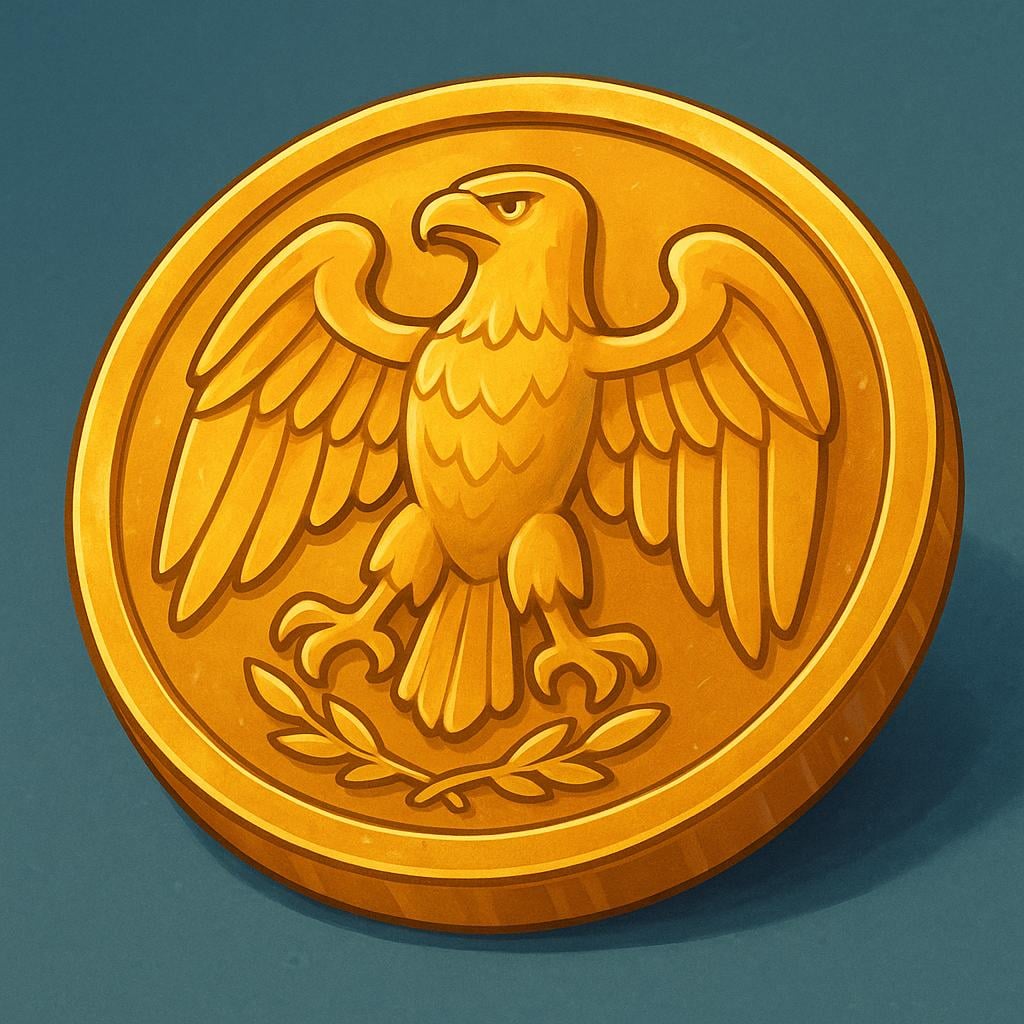
heads
📝 In Action
¿Águila o sol? Tira la moneda para decidir.
B1Heads or tails? Flip the coin to decide.
Cayó águila, así que tú empiezas el juego.
B1It landed on heads, so you start the game.
Vocabulary Collections
Translate to Spanish
✏️ Quick Practice
Quick Quiz: águila
Question 1 of 2
Which sentence correctly uses the article and adjective agreement for 'águila'?
📚 More Resources
👥 Word Family▼
📚 Etymology▼
Comes directly from the Latin word *aquila*, which meant 'eagle.' It has maintained its core meaning and symbolic weight across languages for centuries.
First recorded: Documented in Spanish texts since the 13th century.
Cognates (Related words)
💡 Master Spanish
Take your Spanish to the next level. Read 200+ illustrated and narrated Spanish stories tailored to your level with the Inklingo app!
Frequently Asked Questions
Why do I see 'el águila' if the word is feminine?
This is a special rule in Spanish for feminine nouns that start with a strongly stressed 'a' sound (like 'a-guila'). We use 'el' instead of 'la' in the singular only to avoid the awkward double 'a' sound ('la águila'), but the word's feminine identity never changes.
Is 'águila' used for the 'heads' side of a coin everywhere?
No. While understood, this usage is most common and standard in Mexico and Central America, where the coin side often features the national eagle emblem. In Spain and other regions, 'cara' (face) is more common.