ópera
“ópera” means “opera” in Spanish. It has 3 different meanings depending on context:


operaAlso: operatic work

📝 In Action
Mi abuela siempre escucha ópera italiana en la radio.
A1My grandmother always listens to Italian opera on the radio.
Vamos a ver una ópera de Mozart este fin de semana.
A2We are going to see a Mozart opera this weekend.
Word Connections
opera houseAlso: theater

📝 In Action
La ópera de Sídney es un edificio muy famoso.
B1The Sydney Opera House is a very famous building.
Nos encontramos en la entrada de la ópera a las siete.
B1We will meet at the entrance of the opera house at seven.
Word Connections
dramaAlso: tragedy
📝 In Action
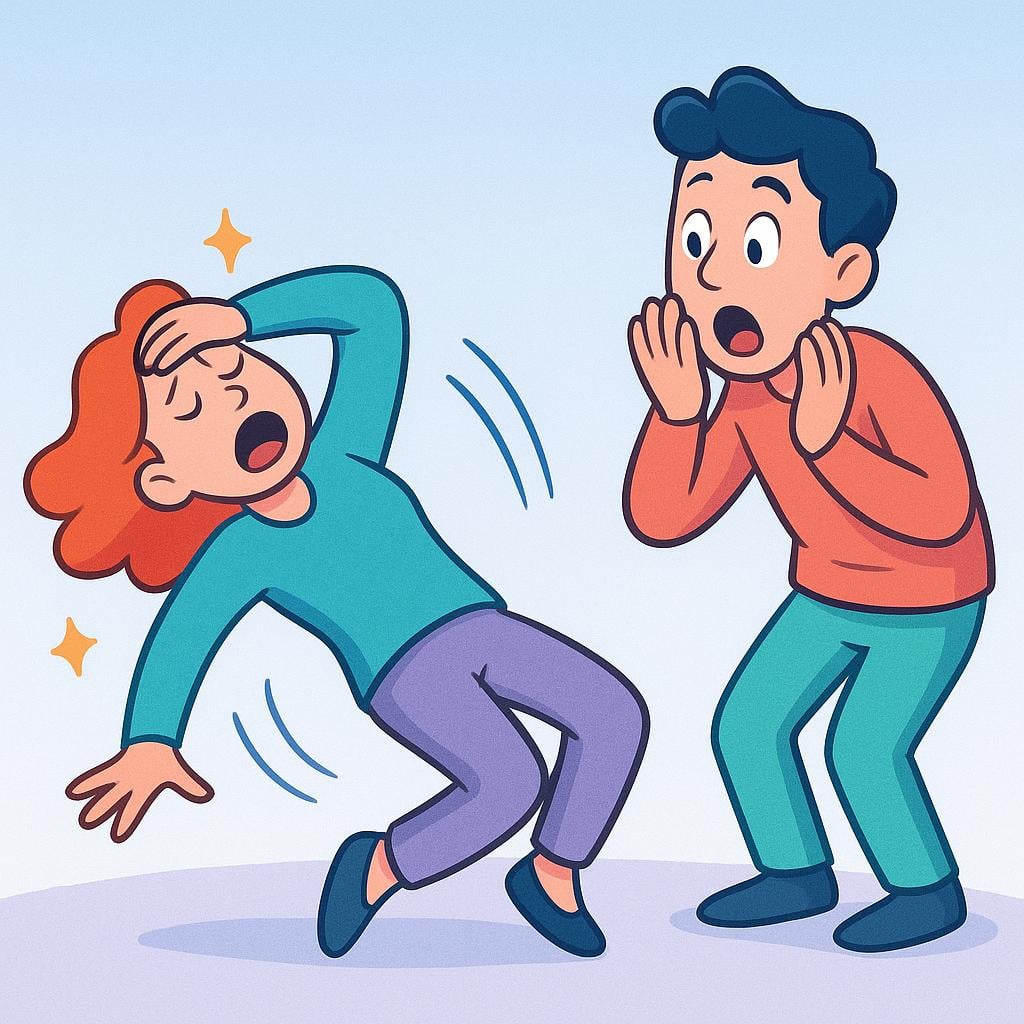
¡Qué ópera! Llevamos tres horas discutiendo por algo tan simple.
B2What a drama! We have been arguing for three hours over something so simple.
Su vida amorosa es una ópera constante: rupturas, reconciliaciones, y gritos.
C1His love life is a constant opera: breakups, reconciliations, and shouting.
Word Connections
Translate to Spanish
Words that translate to "ópera" in Spanish:
✏️ Quick Practice
Quick Quiz: ópera
Question 1 of 2
¿Cuál es el significado más común de 'ópera'?
📚 More Resources
👥 Word Family
🎵 Rhymes
📚 Etymology
Borrowed from Italian 'opera' (meaning 'work' or 'piece'), which itself comes from the Latin word 'opus' (meaning 'work'). It was first used to describe the new art form that combined music, drama, and theater.
First recorded: 17th century (in Spanish usage)
Cognates (Related words)
💡 Master Spanish
Take your Spanish to the next level. Read 200+ illustrated and narrated Spanish stories tailored to your level with the Inklingo app!
Frequently Asked Questions
¿Es 'ópera' masculino o femenino?
'Ópera' is always feminine. You must use the feminine article 'la': 'la ópera' (the opera). Remember this, even though it starts with a stressed 'o' sound.
¿Cómo se dice 'soap opera' en español?
The most common word for a TV soap opera is 'telenovela'. Sometimes the term 'ópera jabón' (a literal translation) is used humorously, but 'telenovela' is the correct term for television dramas.