The Mural Painted Over Before Anyone Saw It
انقر على أي كلمة للحصول على ترجمة فورية. استخدم أزرار التشغيل لسماع القصة أثناء القراءة.
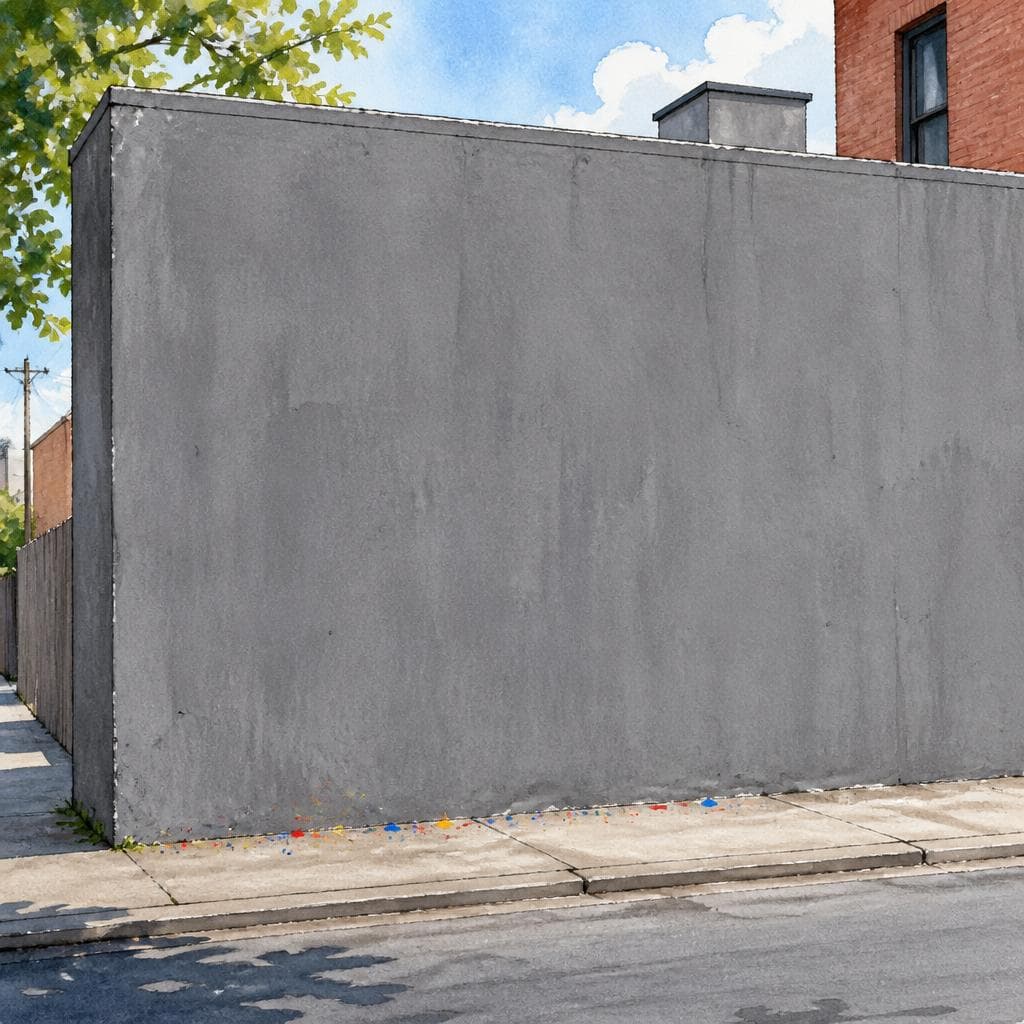
The wall was grey again by Thursday morning.
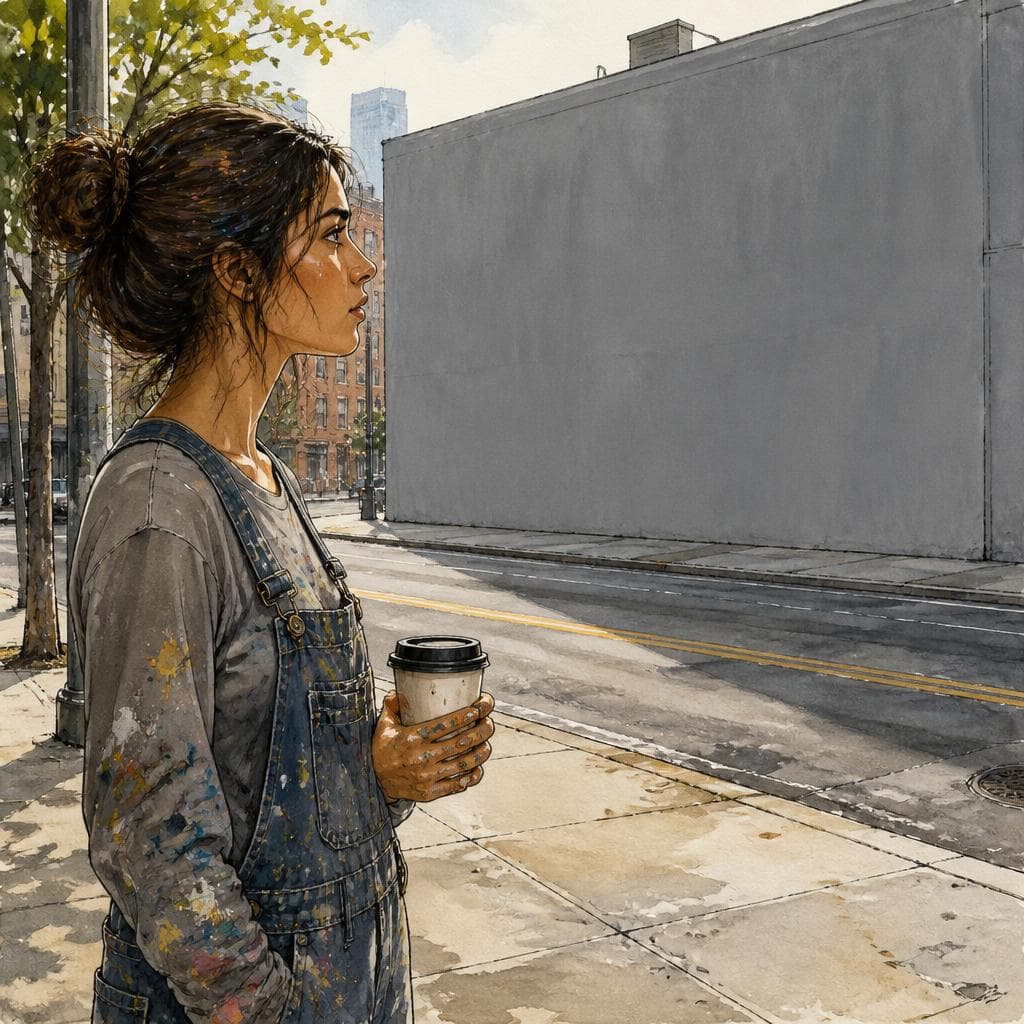
Delia stood across the street with a cold coffee in her hand, staring at the blank concrete as though she could still see what had been there twelve hours before. She couldn't, of course. The city had used primer. Good primer. The kind that doesn't let anything bleed through. It was a flat, industrial grey that seemed to swallow the morning light.
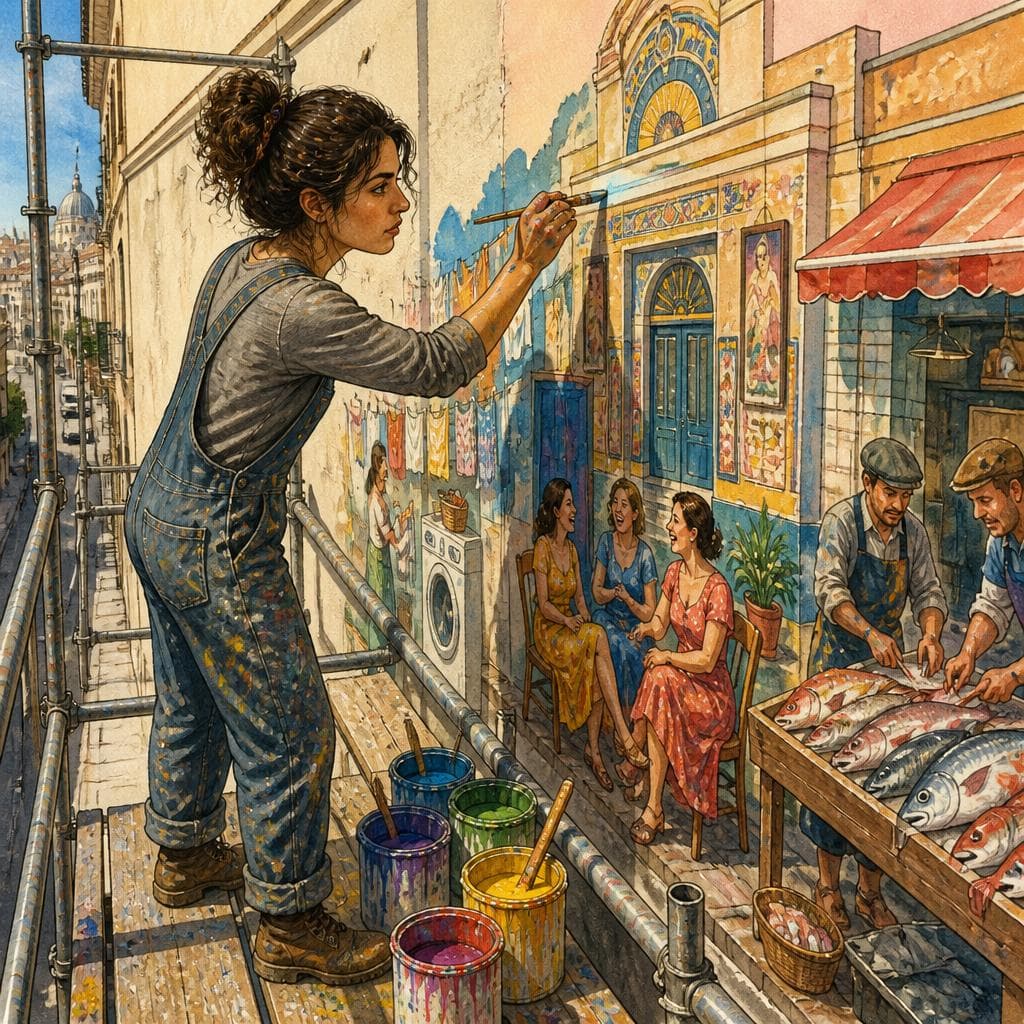
She had started the mural on Monday. Four days, twelve hours a day, paint on her fingers and in her hair, scaffolding that swayed if she leaned too far to the right. She hadn't slept properly. She hadn't answered her phone. She had eaten crackers and cheese for every meal because she couldn't afford to stop and she couldn't afford to care about anything else. The mural had been her entire world, a vibrant explosion of colour on a street that had forgotten how to be bright.
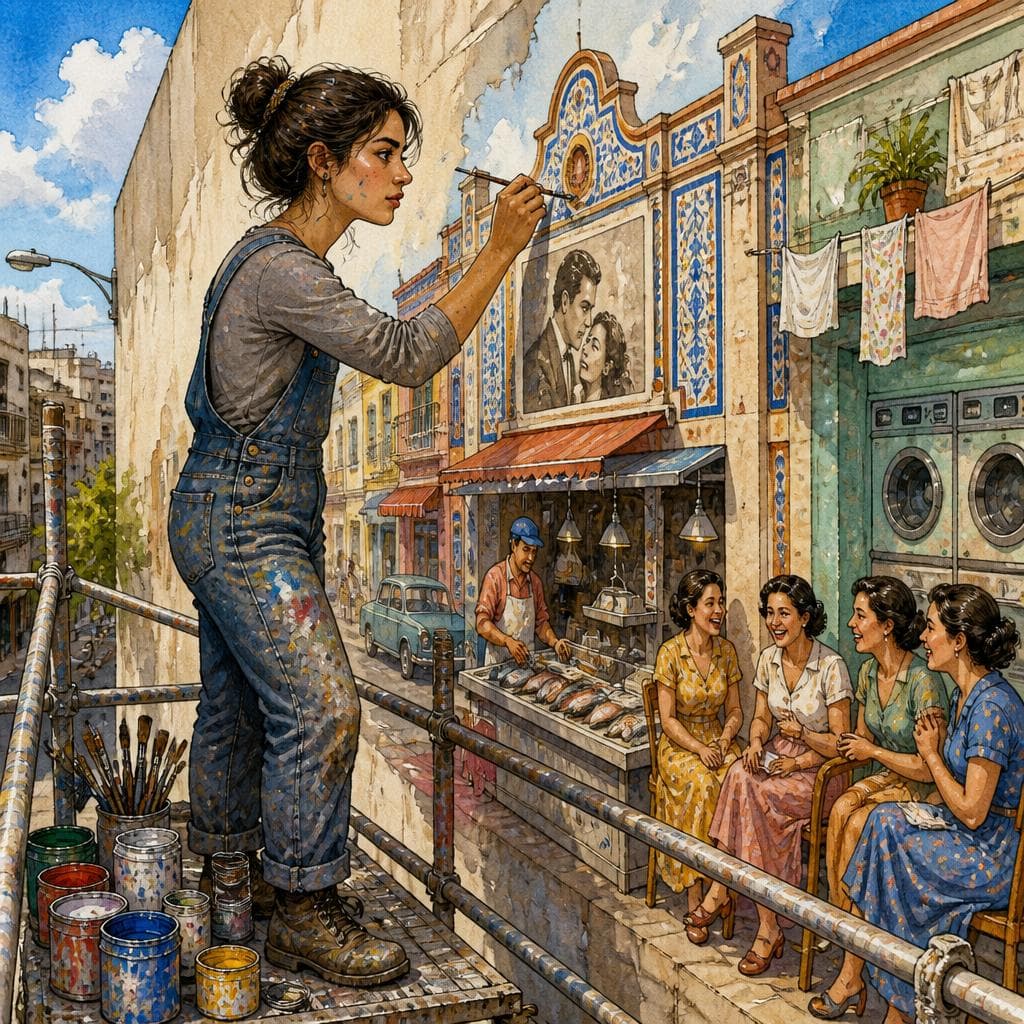
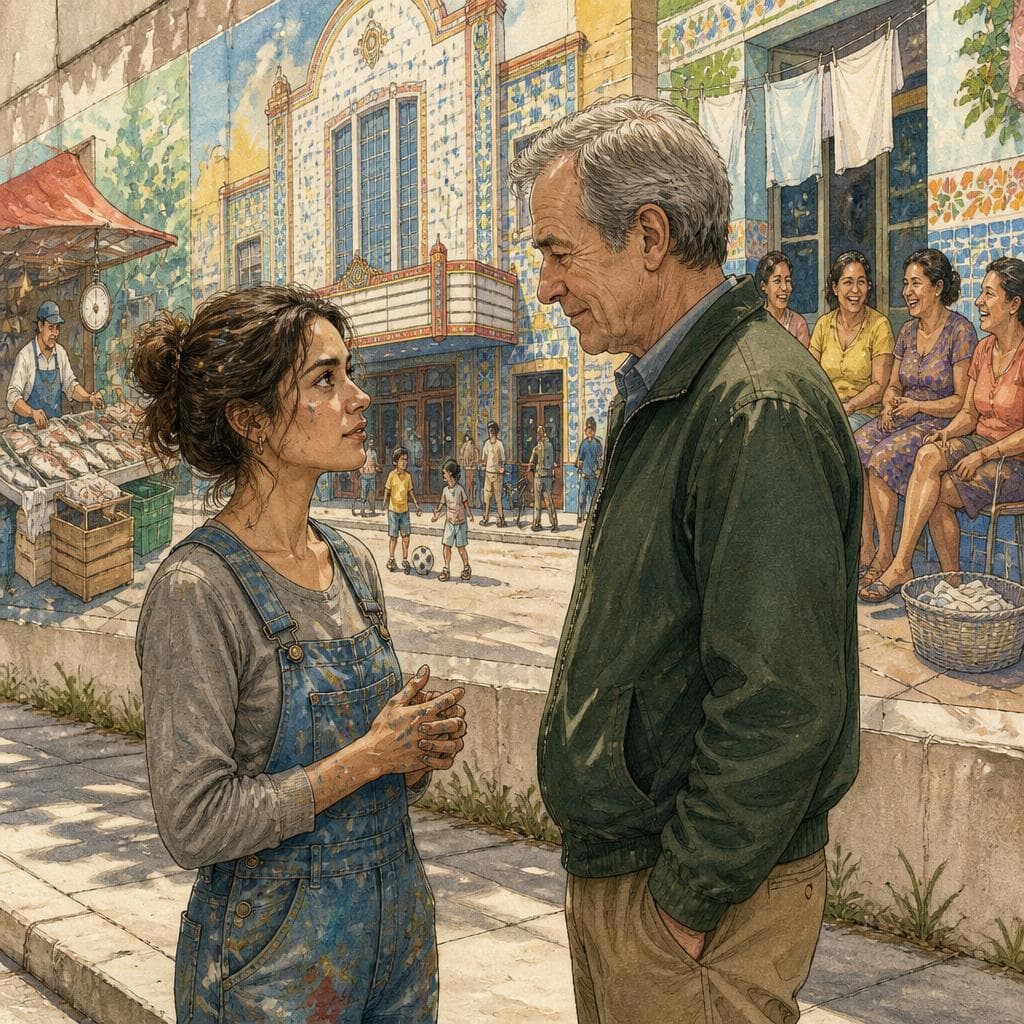
The mural had depicted the neighbourhood as it once was: the fish market on the corner, the ceramic tiles on the front of the old cinema, the women sitting outside the laundry on summer afternoons. Things that were gone now, replaced by glass towers and corporate sandwich shops. Delia had painted it all from memory and from her grandmother's photographs, which she kept in a shoebox under her bed. She had made it as accurate as she possibly could, not because she thought accuracy was the same as art, but because she believed that this particular neighbourhood deserved a witness.
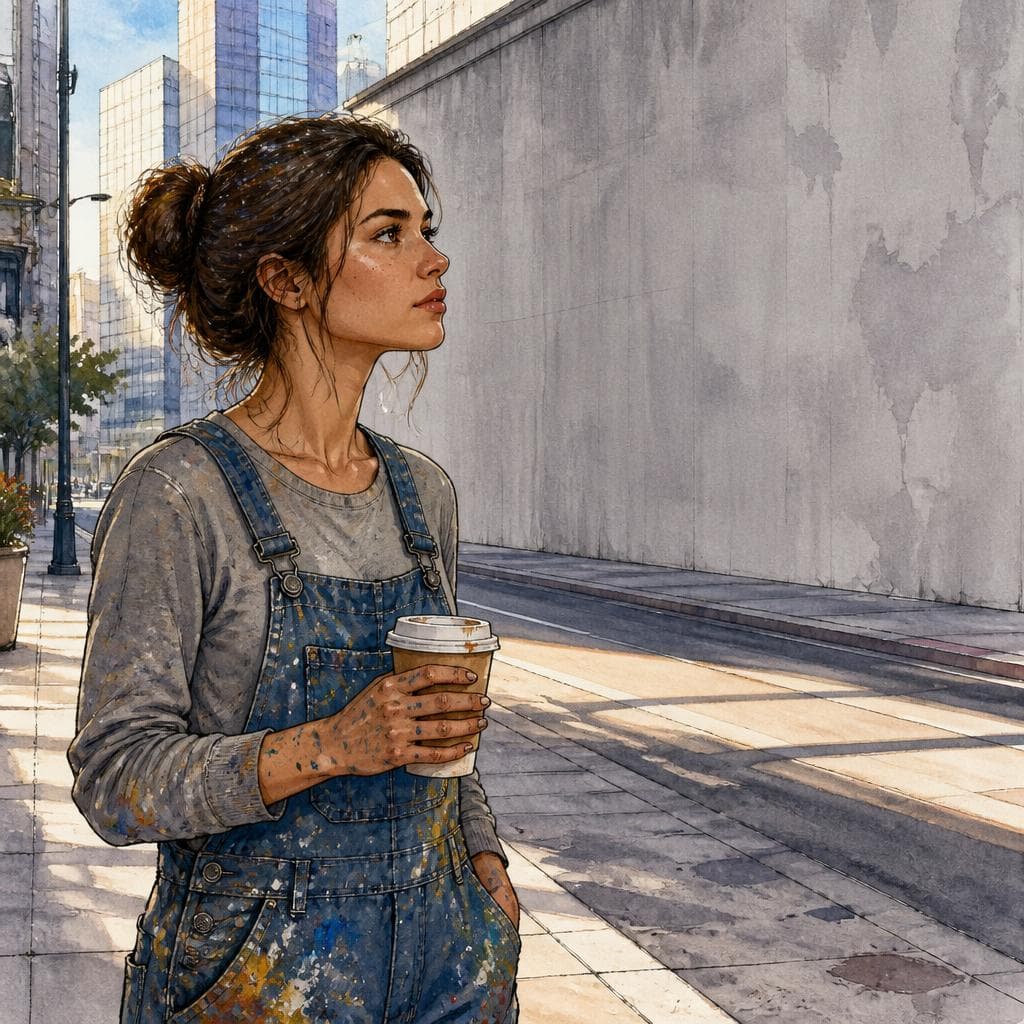
She had no permit. She had known that from the beginning. In this city, asking for permission usually meant being told 'no' by someone in a suit who had never lived on this street.
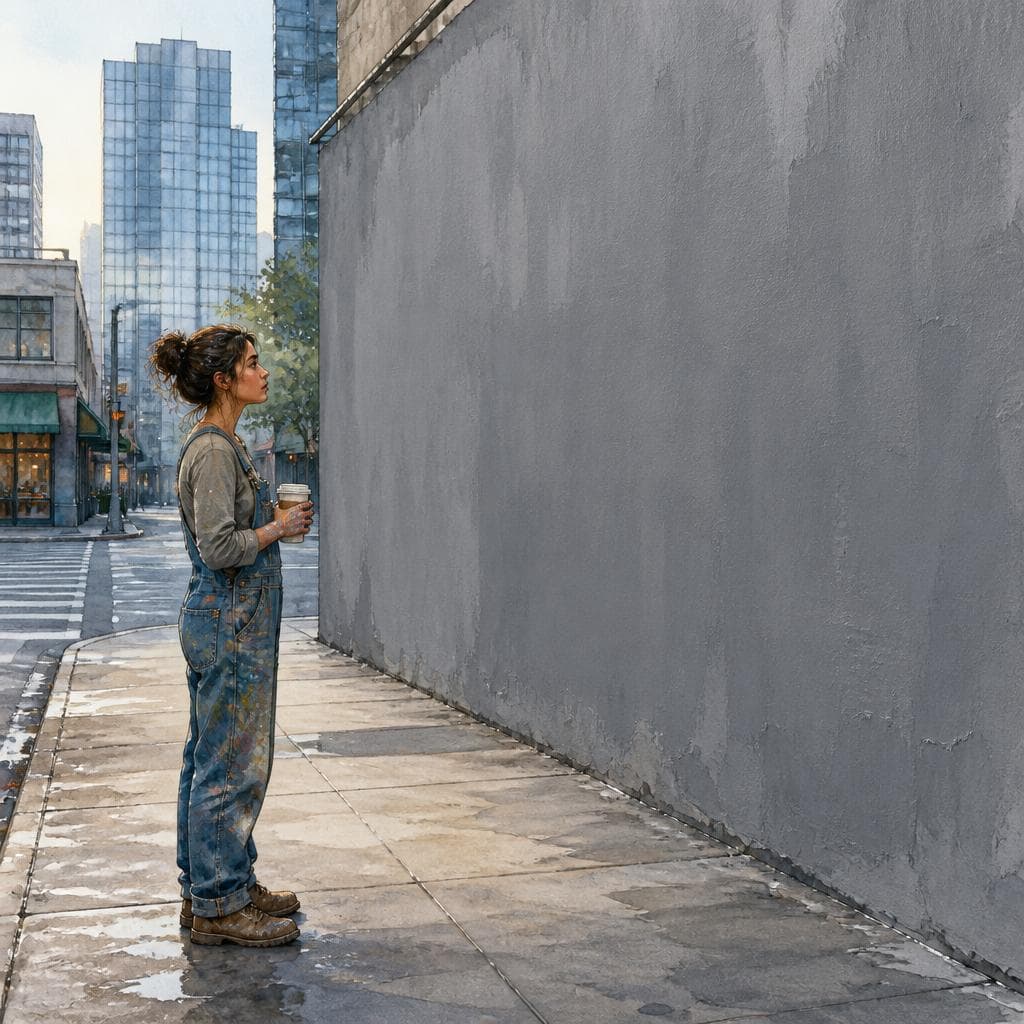
What she hadn't known — what she couldn't have anticipated — was that someone would report it before dawn on Thursday. Before the morning commuters arrived. Before the school run. Before the bread delivery to the café on the corner. Before anyone, as far as she could tell, had seen a single brushstroke. The efficiency of the city's cleaning crew was terrifying.
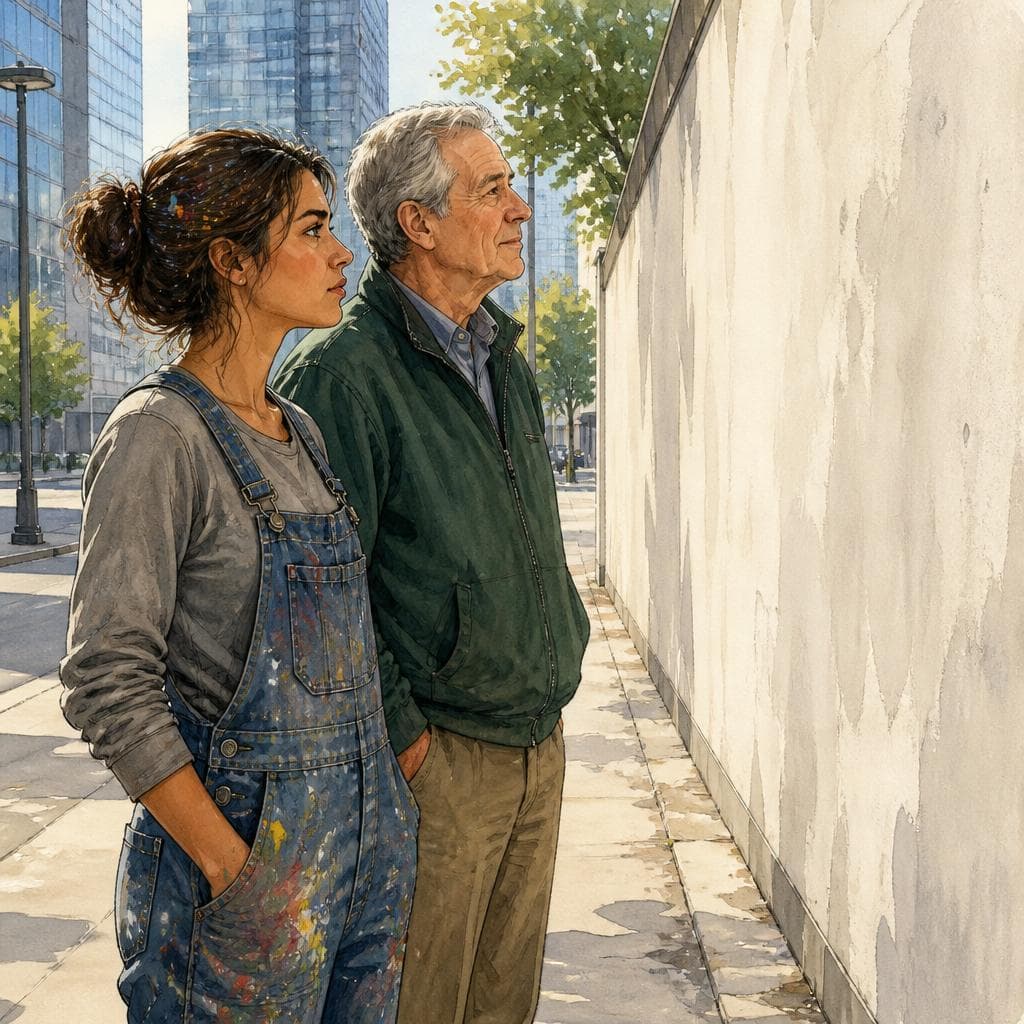
A man in a jacket stopped beside her. He was older, perhaps sixty, and he was also looking at the wall with a strange, focused expression.
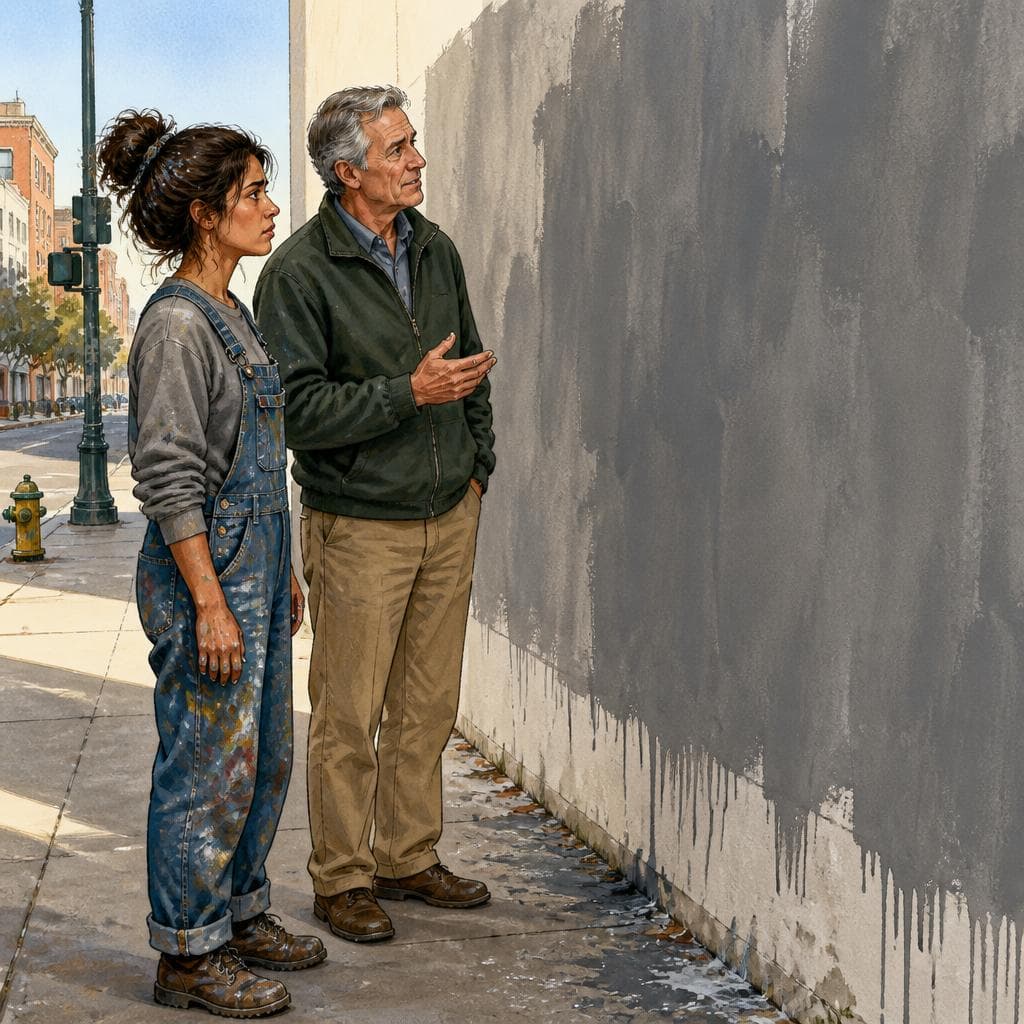
"They are fast," he said, not unkindly.
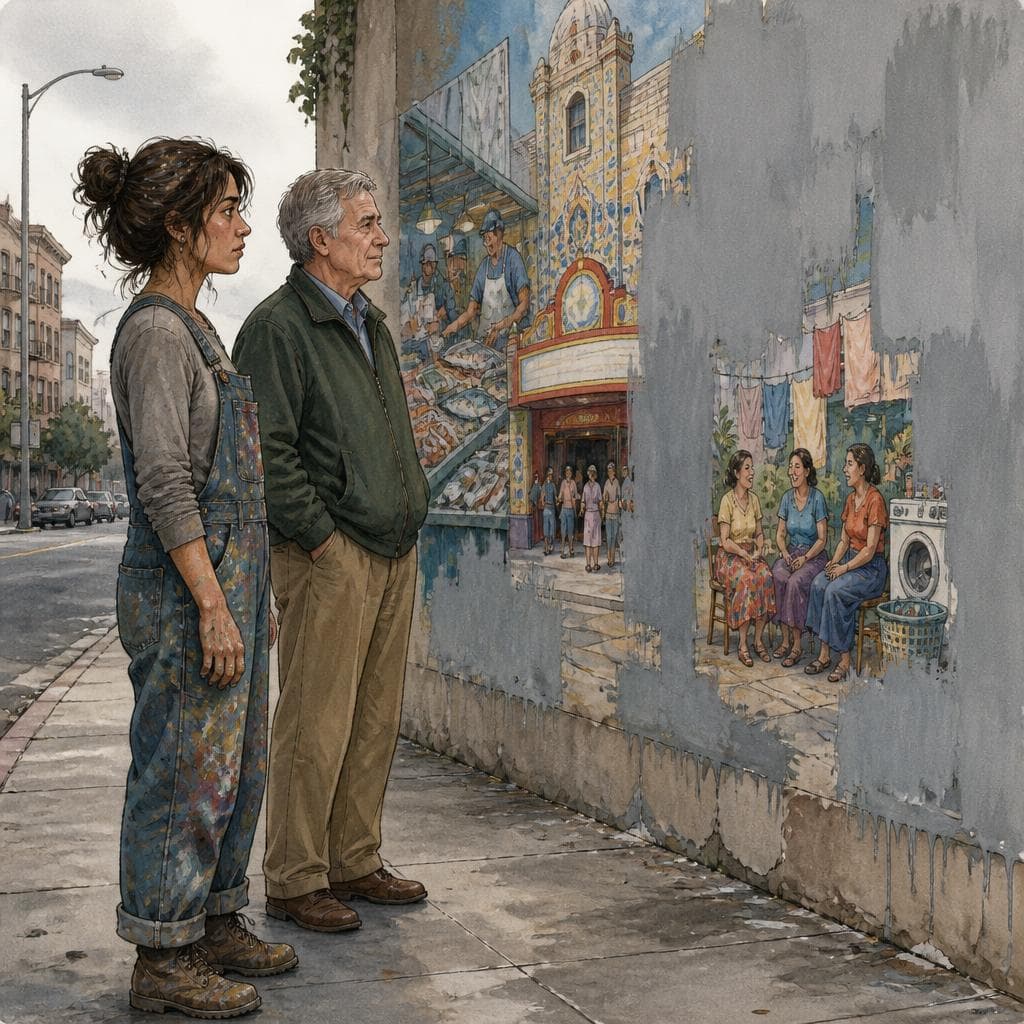
"They are," she agreed, her voice sounding hollow even to her own ears.
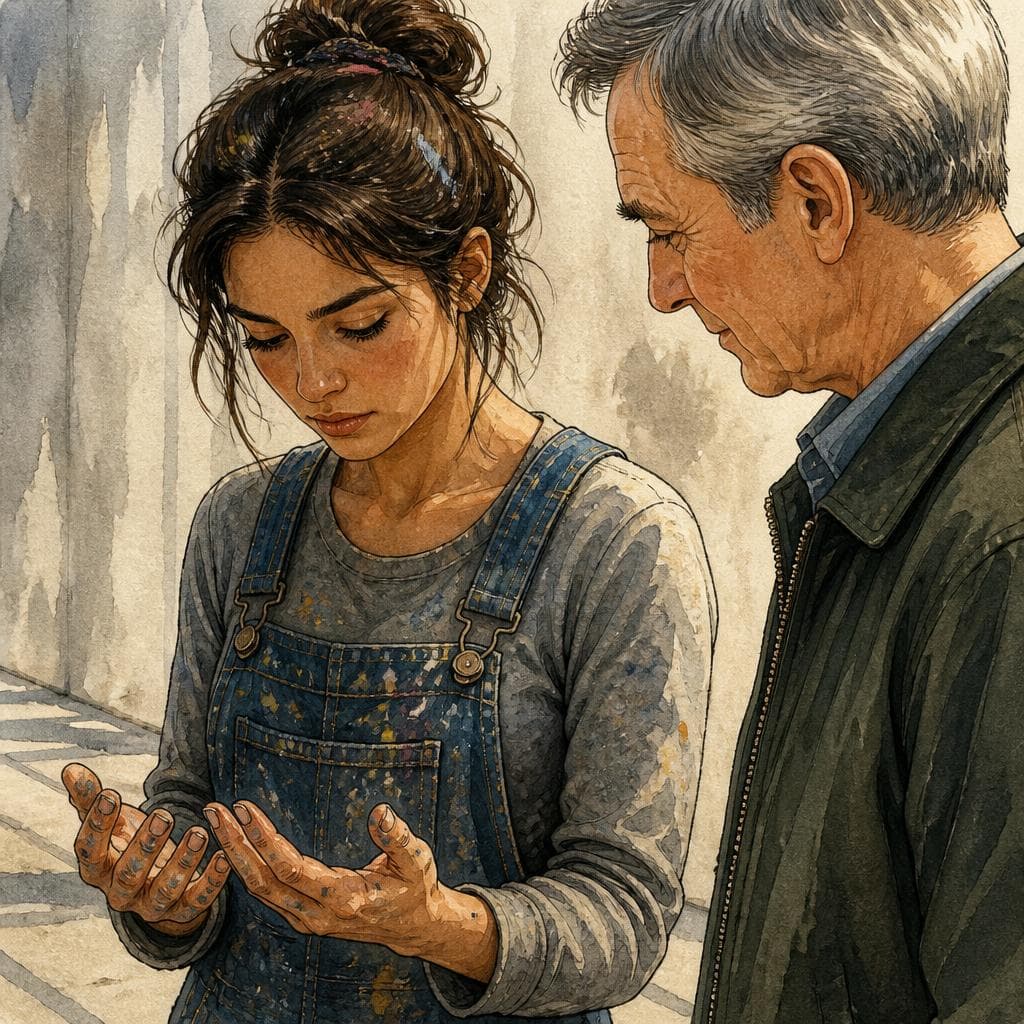
He glanced at her hands. The paint stains under her fingernails were unmistakable. "Yours?"
She hesitated for only a moment. "Yes."
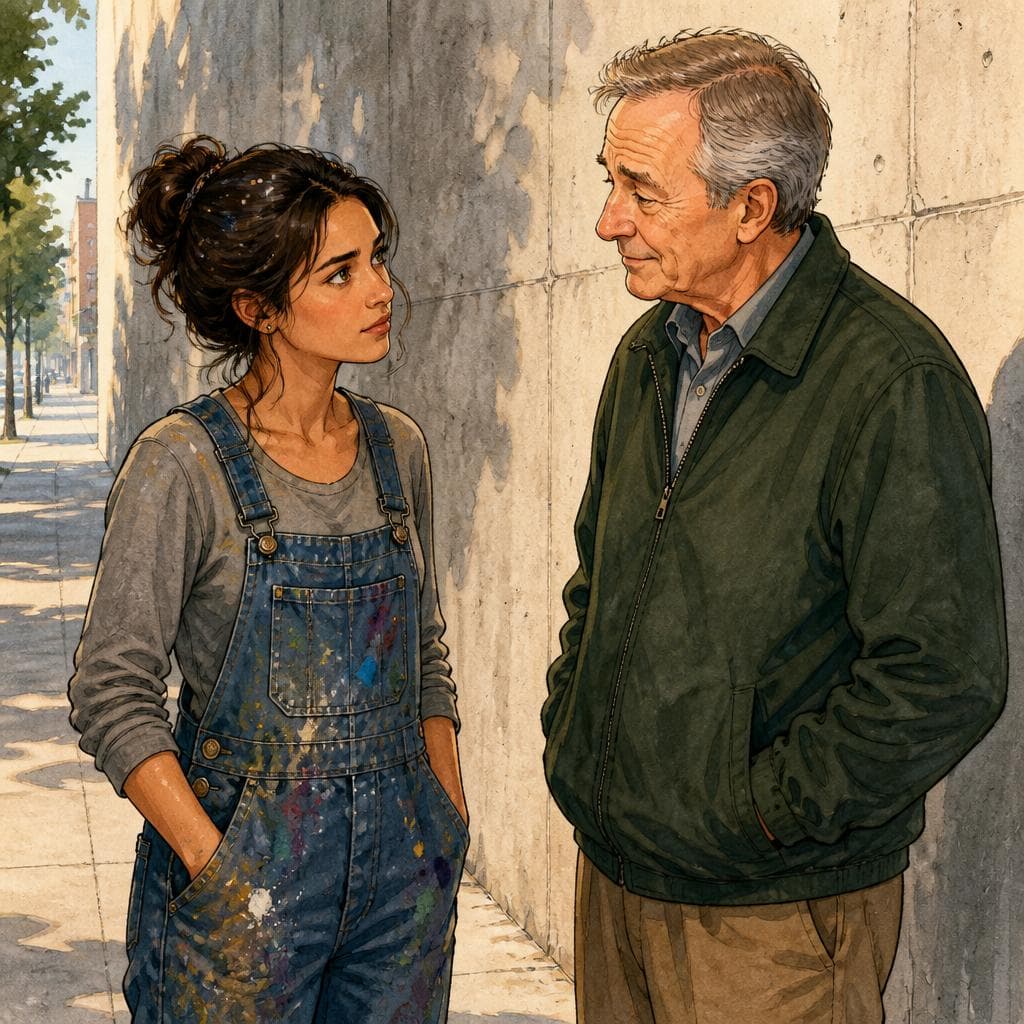
He nodded slowly, as though this confirmed something he had suspected. "I saw it," he said. "Last night. I was walking home late. Around midnight."
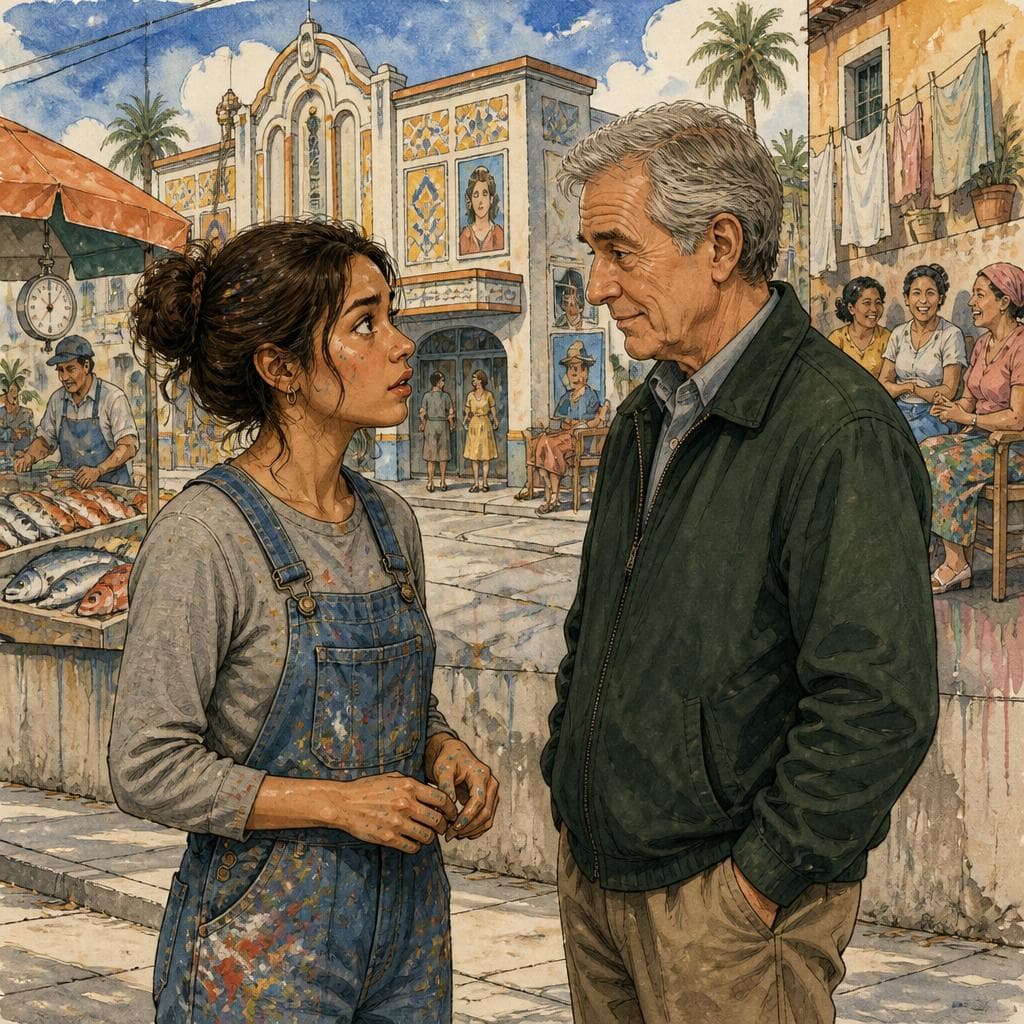
Delia turned to look at him properly for the first time. "You're the only one."
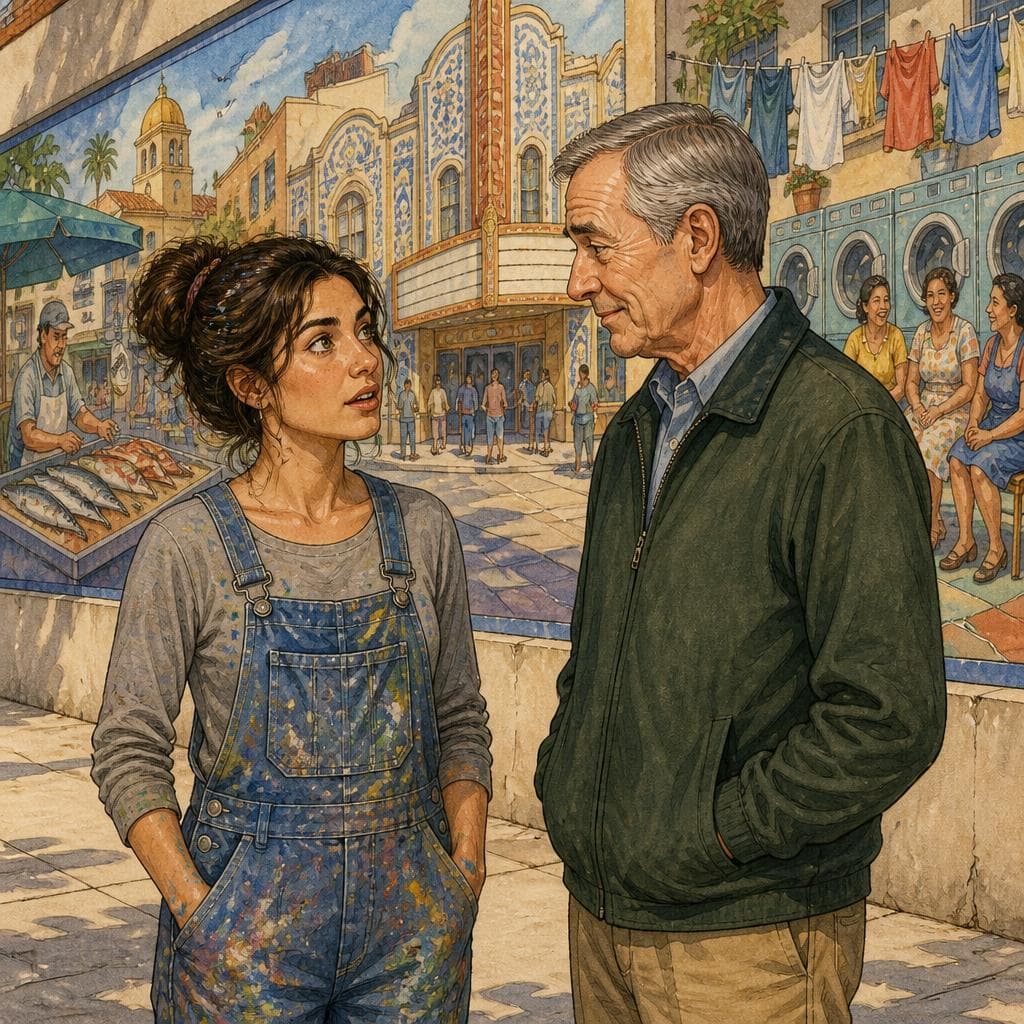
"That you know of."
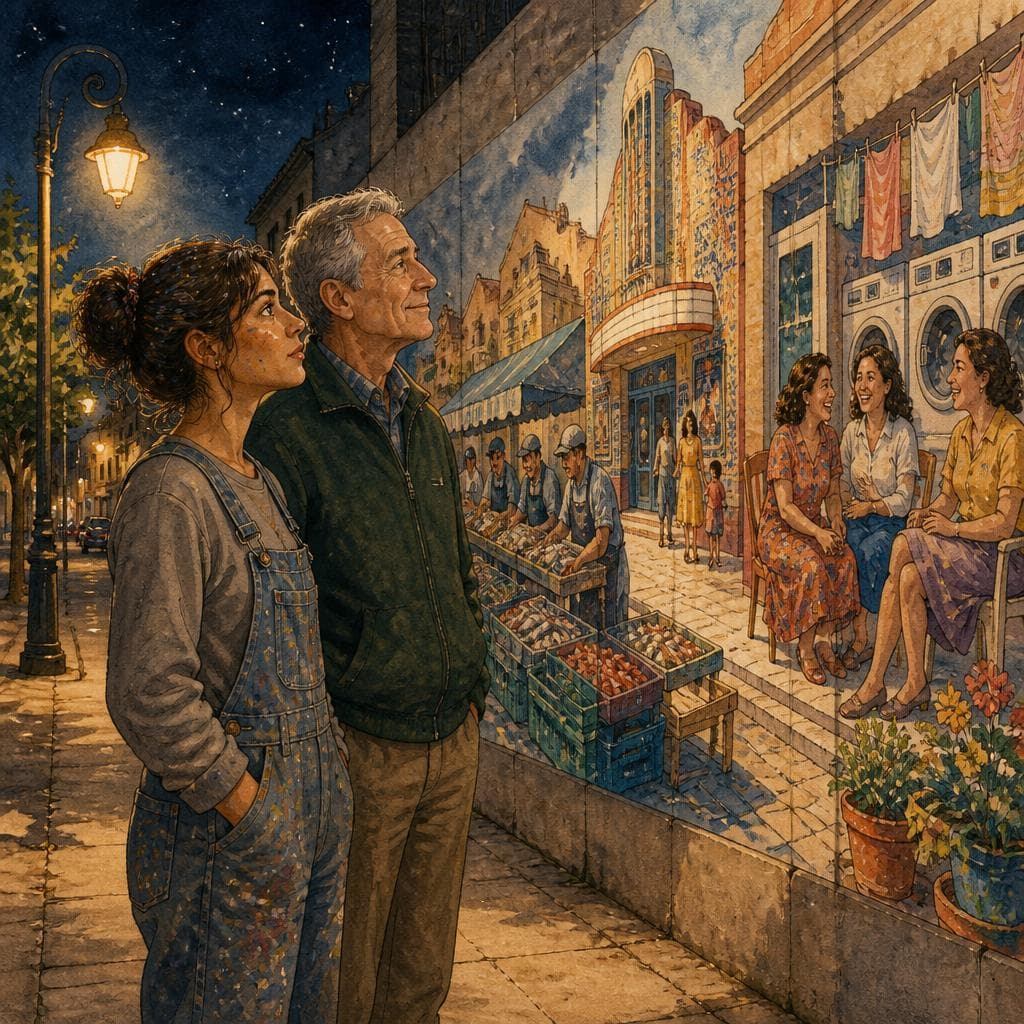
She considered this. It was a small but important distinction. In the silence of the night, the mural had existed for the stars and the streetlights, and apparently, for this man.
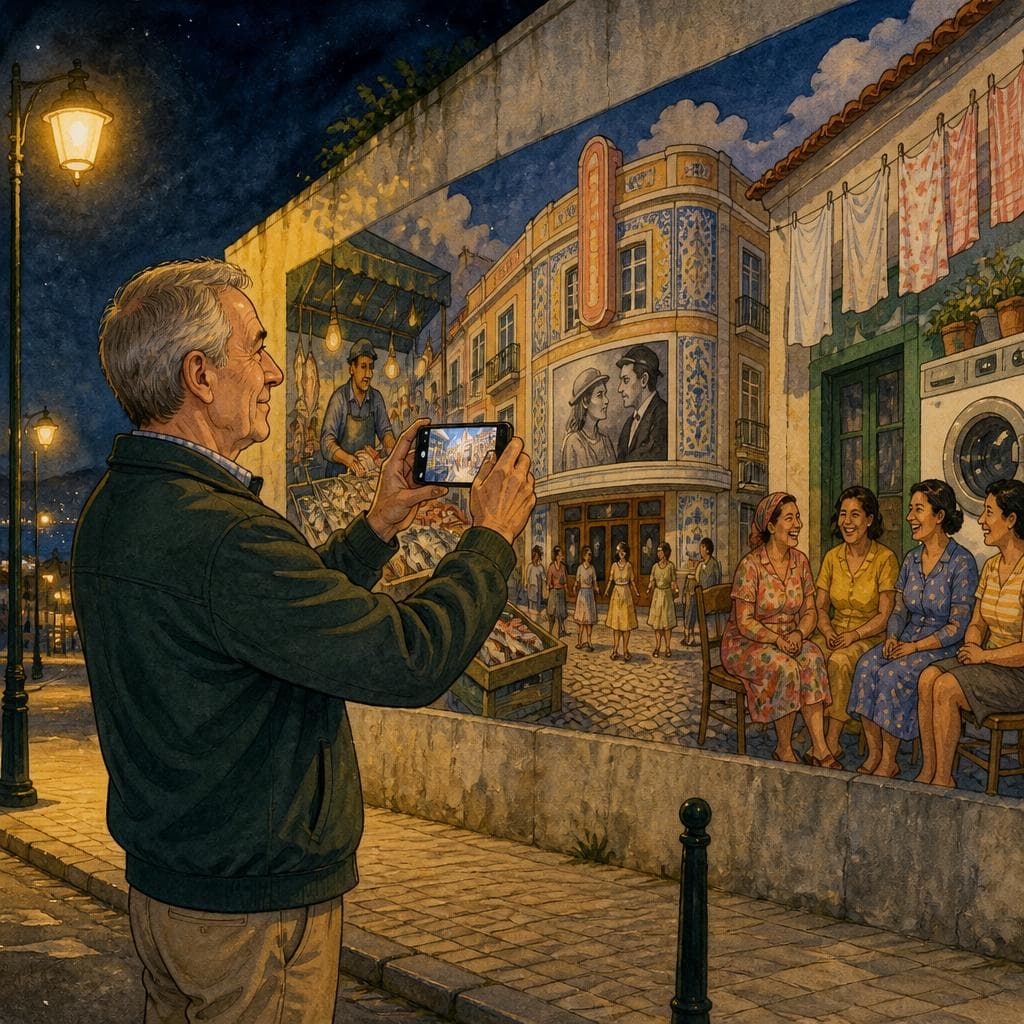
"It was the cinema," he said. "I recognised it immediately. My father took me there every Saturday when I was young. I didn't realise anyone else remembered the pattern of those tiles. I thought they were lost." He paused. "I stood there for maybe twenty minutes. I took a photograph."
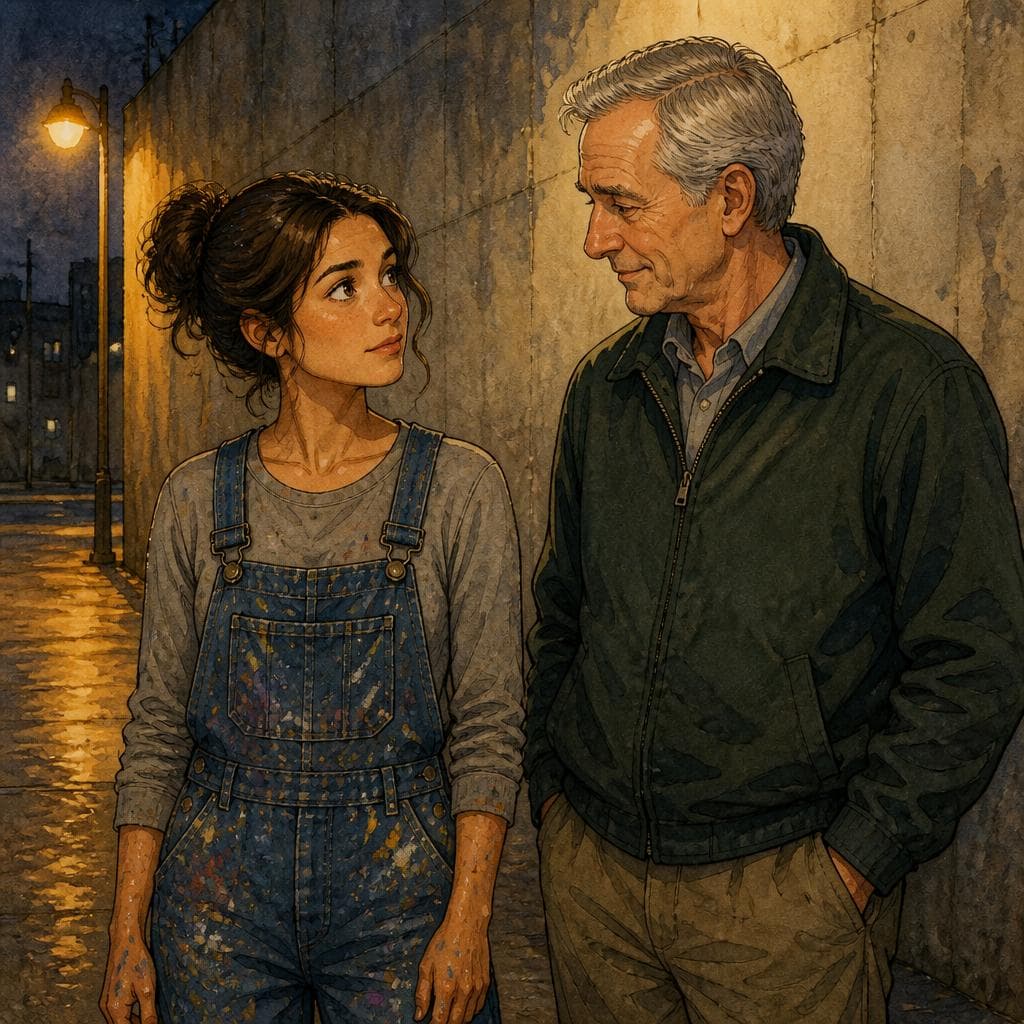
She didn't know what to say. She had expected anger at the city, sympathy perhaps, maybe even an offer to sign a petition, which she would have politely declined. She had not expected this quiet validation.
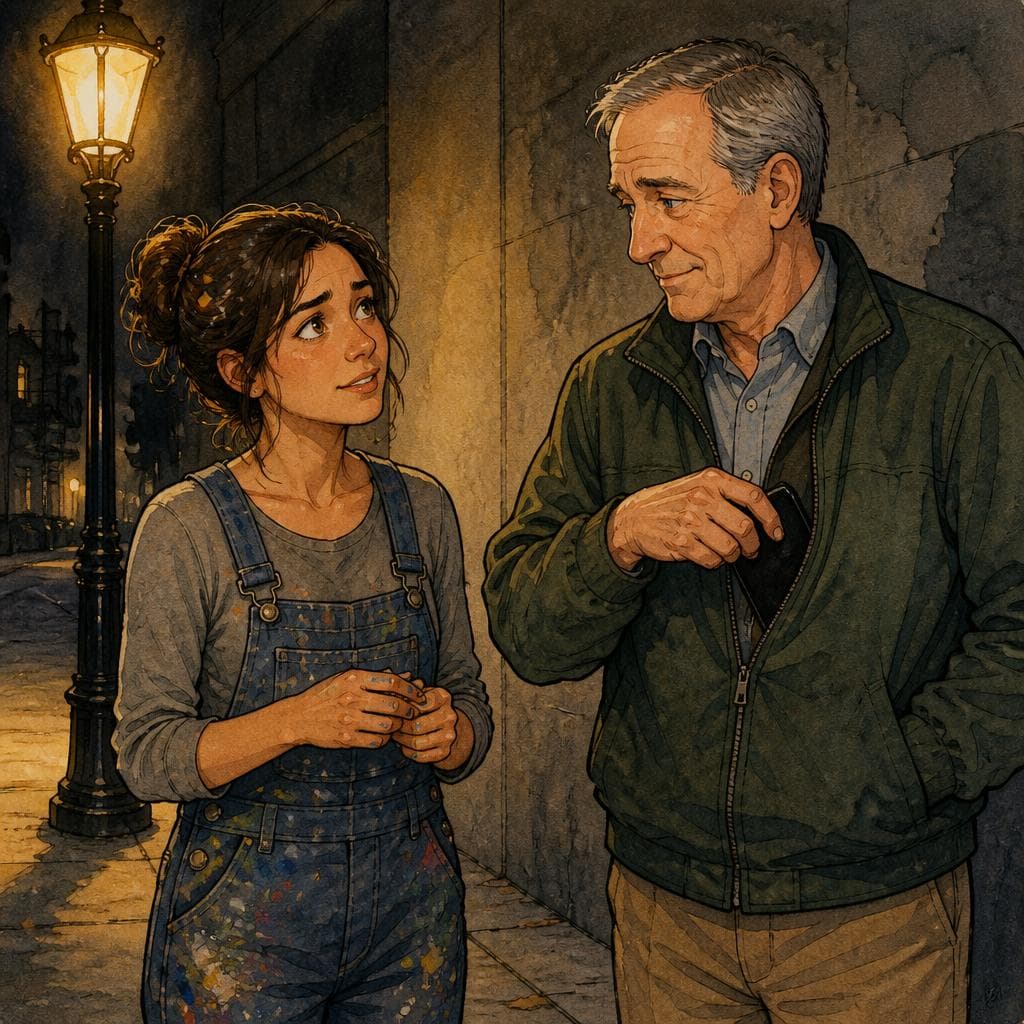
"Would you..." She stopped, feeling a sudden rush of nerves. "Could I see it? The photograph?"
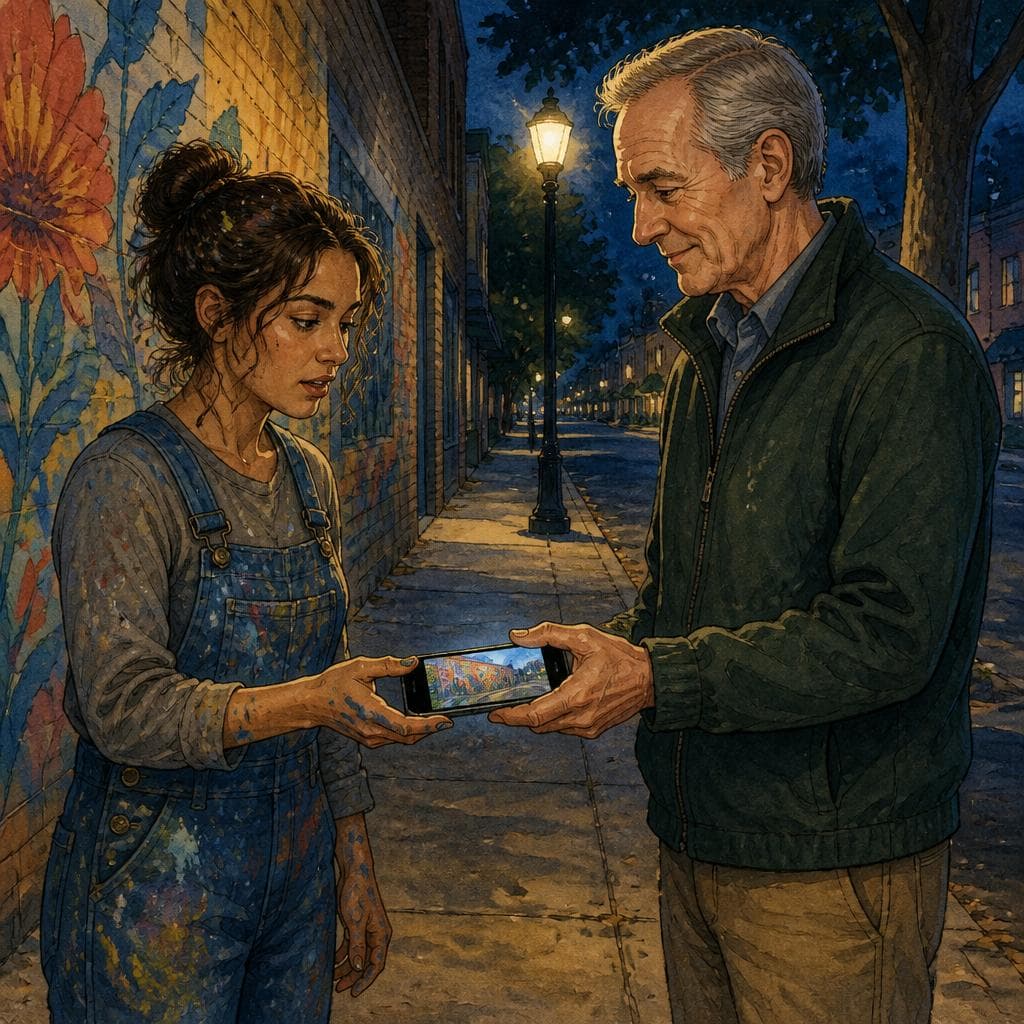
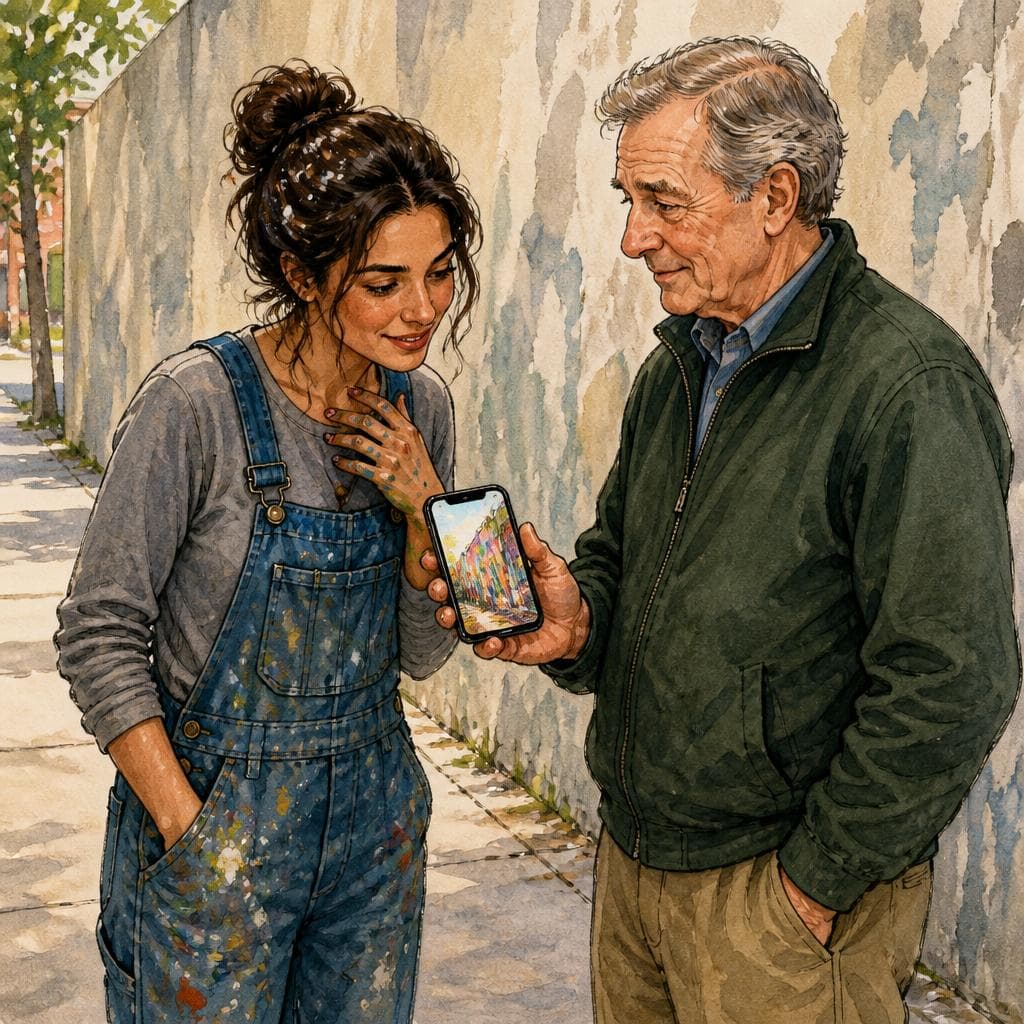
He took out his phone without hesitation and handed it to her.

The image was slightly blurry — phone camera, midnight, bad street lighting — but there it was. The whole mural, framed between the shadows of two parked cars. The fish market. The cinema. The women outside the laundry, one of them laughing at something just outside the frame. In the digital glow of the screen, the colours looked even more defiant against the dark street.

Delia stared at it for a long time.

The photograph was not perfect. But a photograph taken by a stranger at midnight of a mural that no longer existed felt, unexpectedly, like a kind of preservation she hadn't known to hope for. The work had existed. Someone had stood in front of it long enough to want to keep it. That wasn't nothing. That was, in fact, close to everything she had originally wanted. It was a bridge between her grandmother’s memories and the present day.
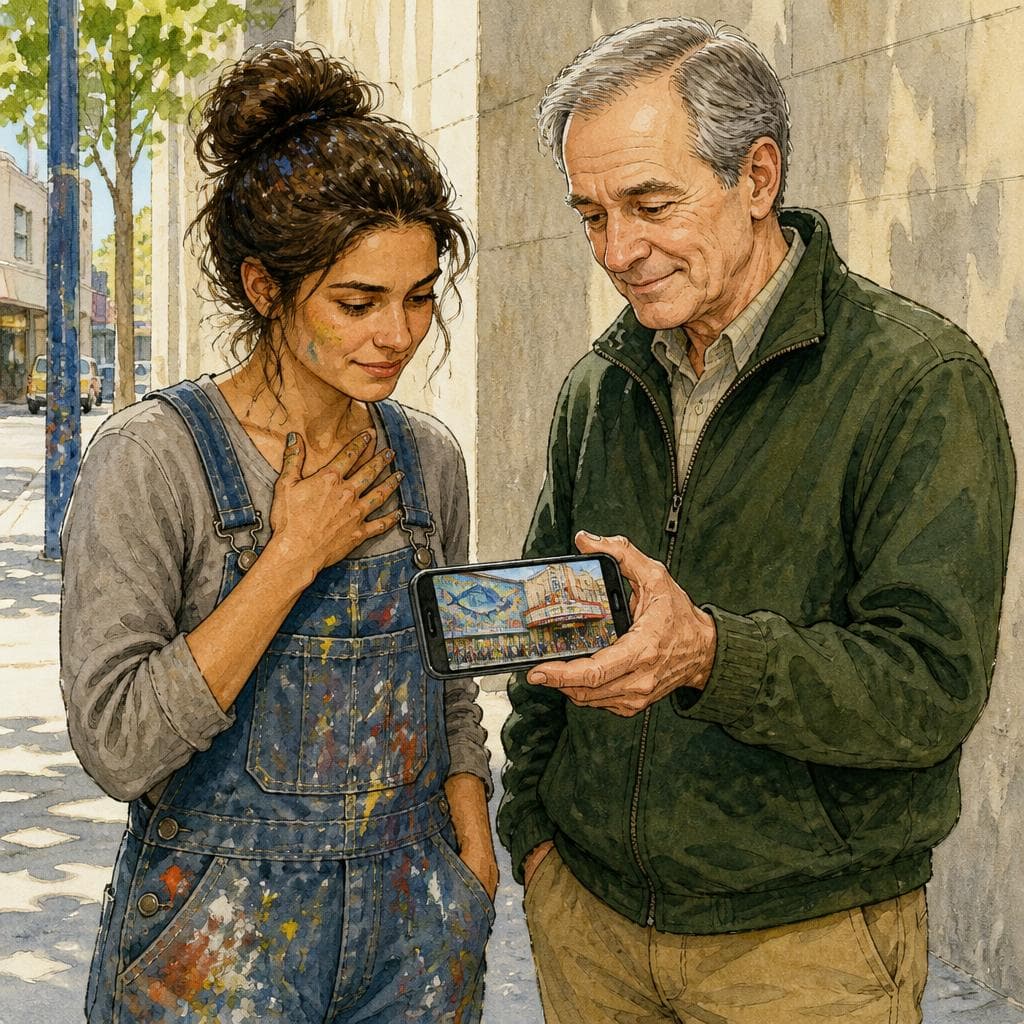
"I can send it to you," the man said.
"Please," she said.
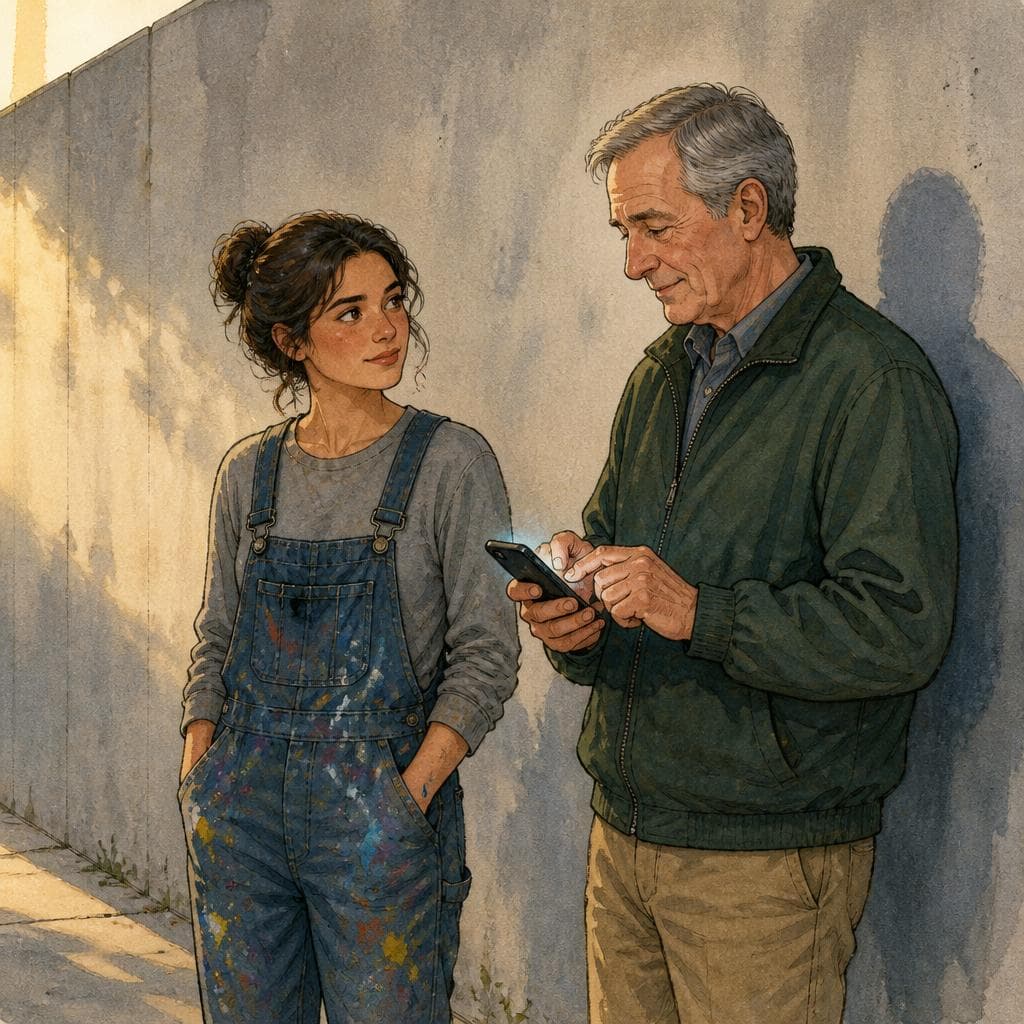
He typed something into his phone. Hers buzzed in her pocket. They stood together for another moment in front of the grey wall, a silent protest of two, and then he nodded once, wished her a good morning, and walked away.
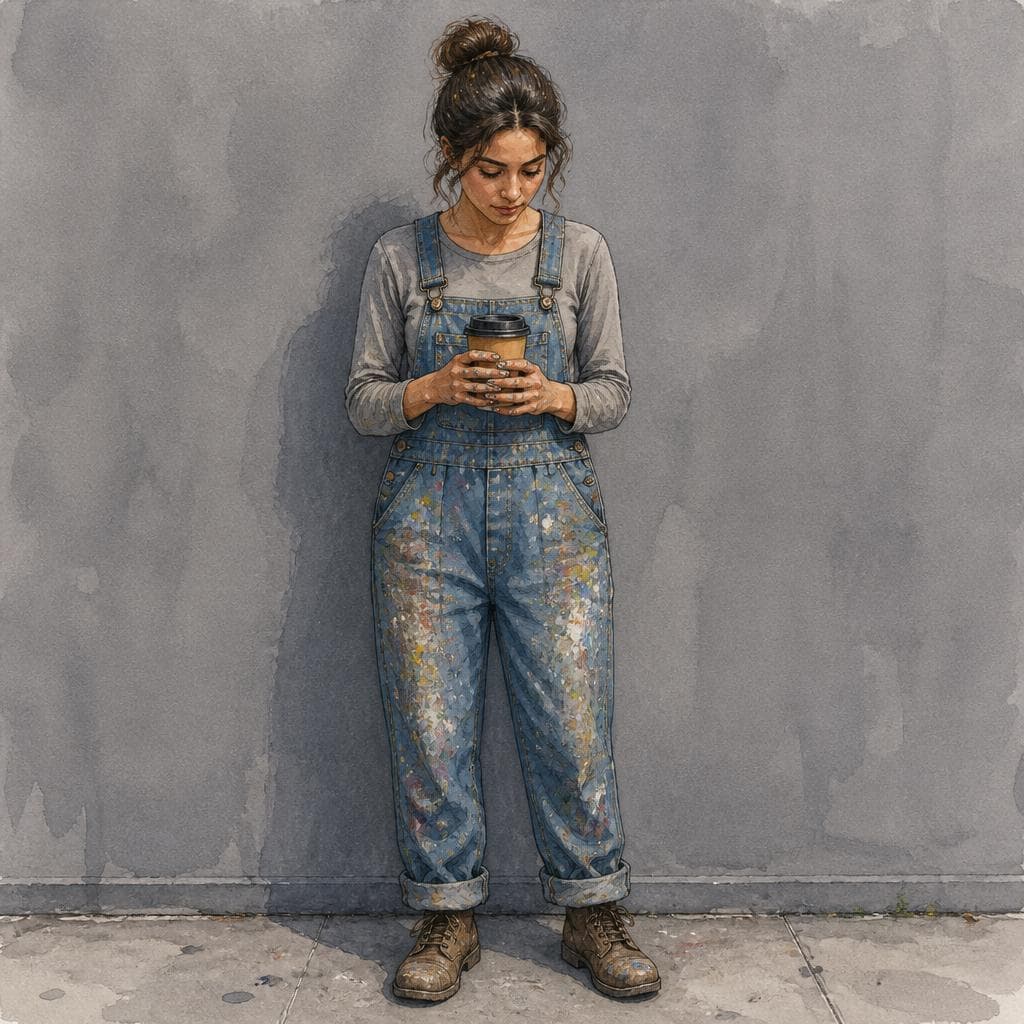
Delia looked at the wall again. The grey didn't seem quite so heavy now. Then she looked down at her coffee, which had gone completely cold.
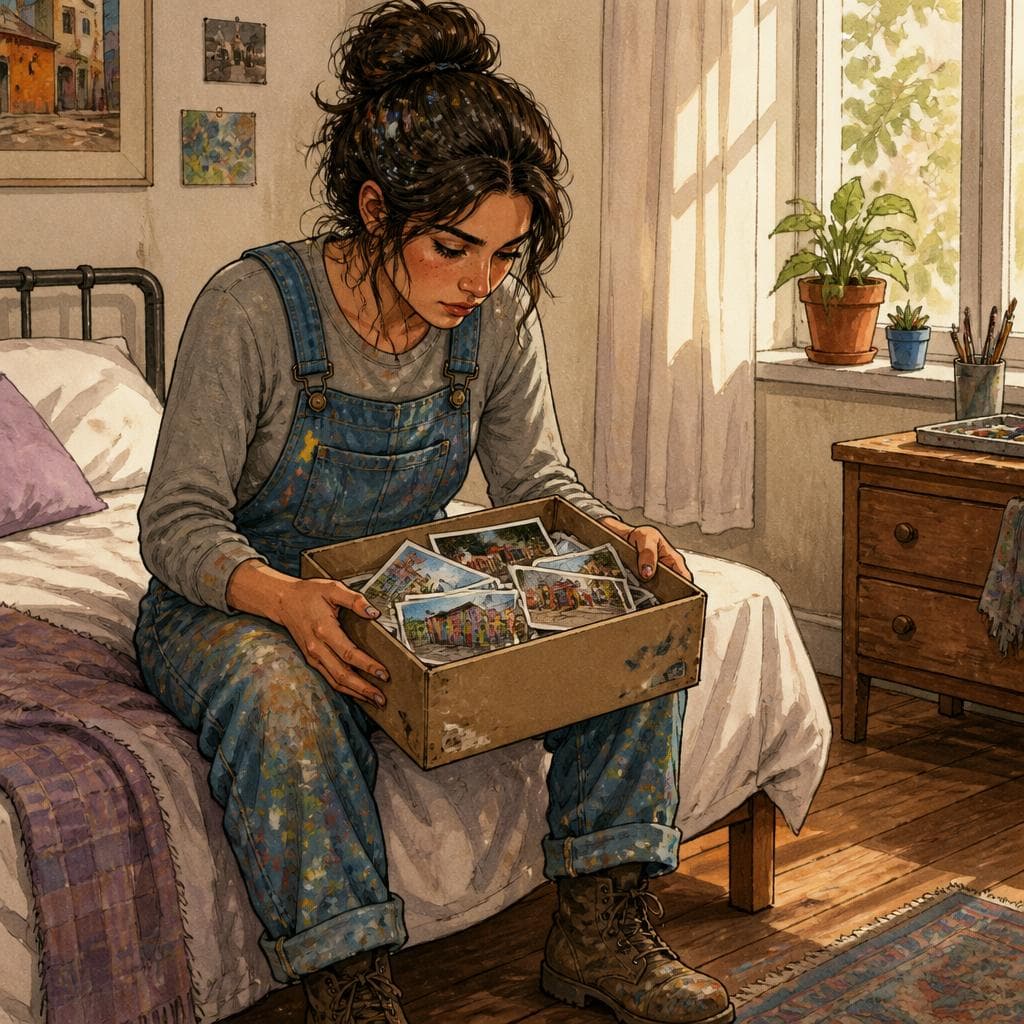
She thought about the shoebox under her bed. She thought about the photographs still inside it — the ones she hadn't used yet. She thought about the other walls in the neighbourhood, most of them grey, most of them permitted only to be blank and boring.
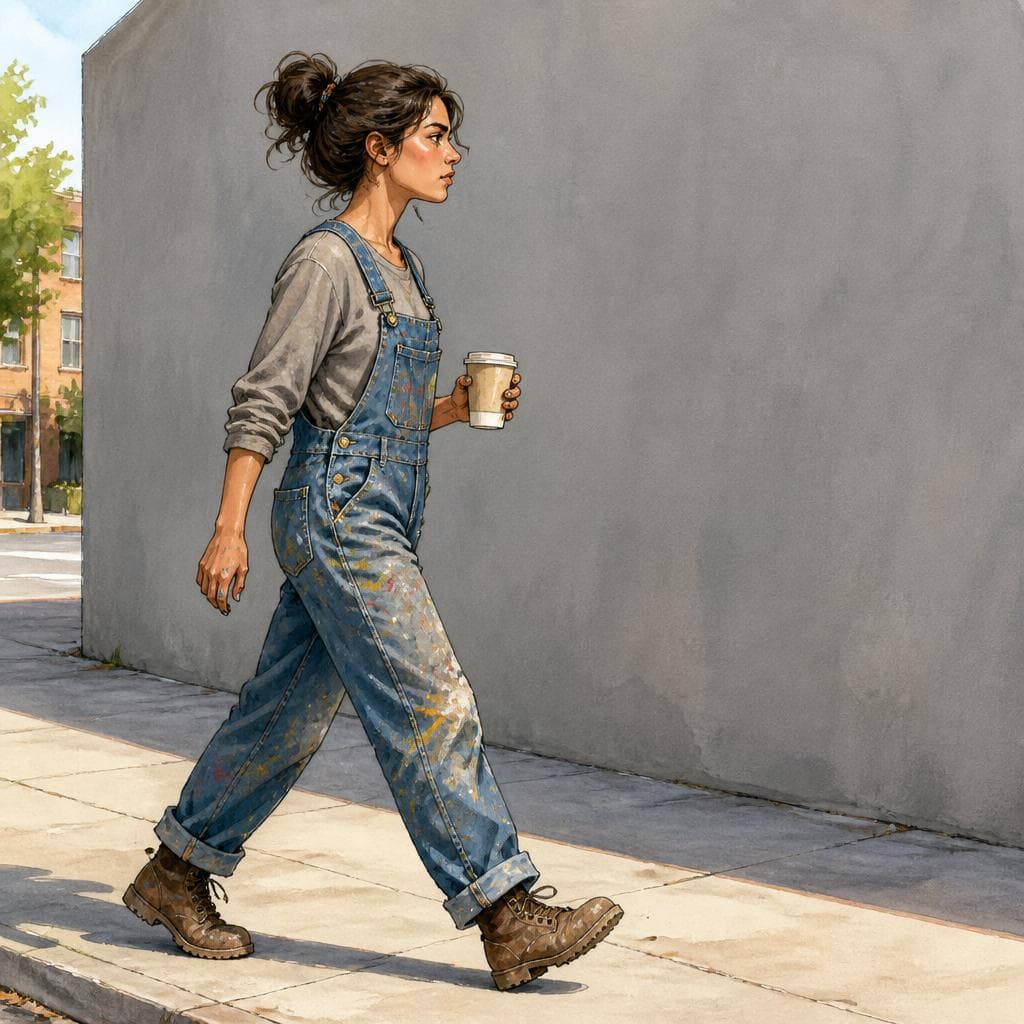
She finished the cold coffee and started walking.
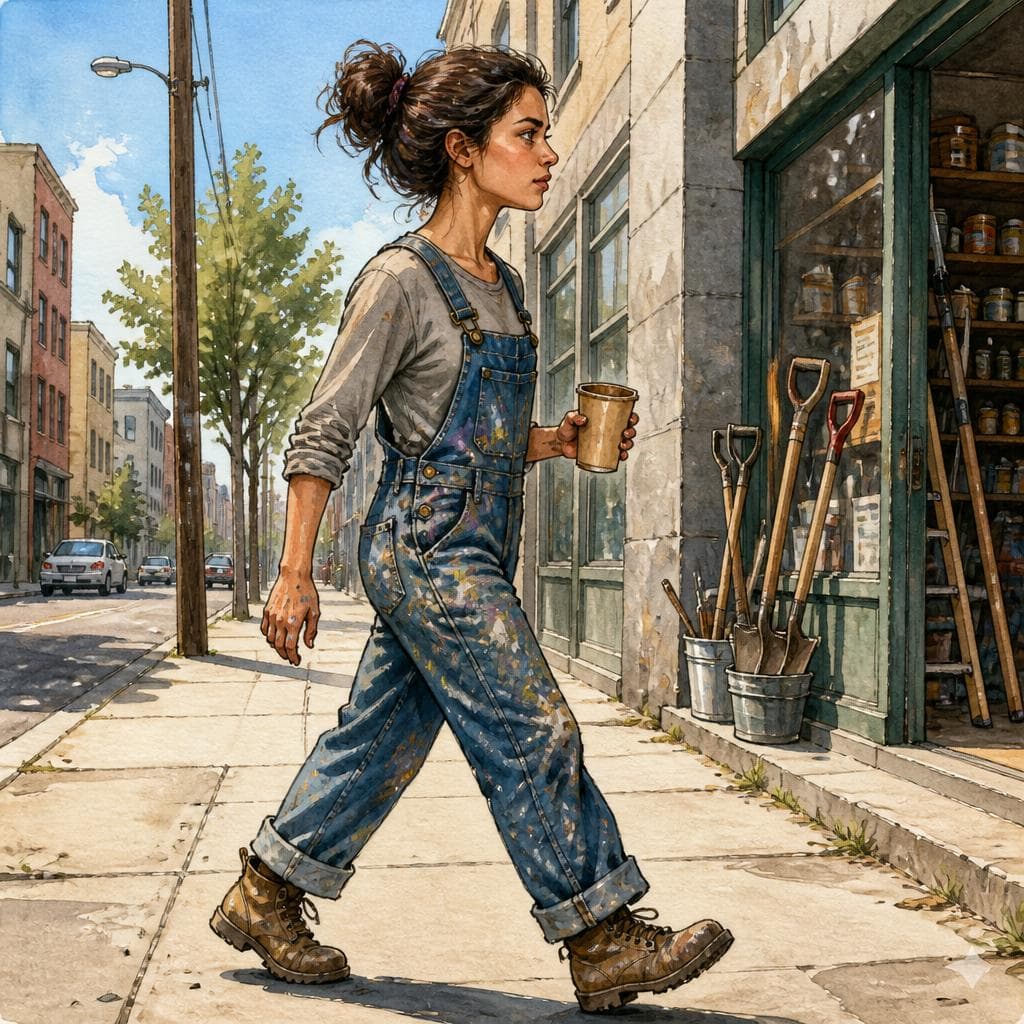
She wasn't walking home. She was walking toward the hardware store to buy more paint.