unirte
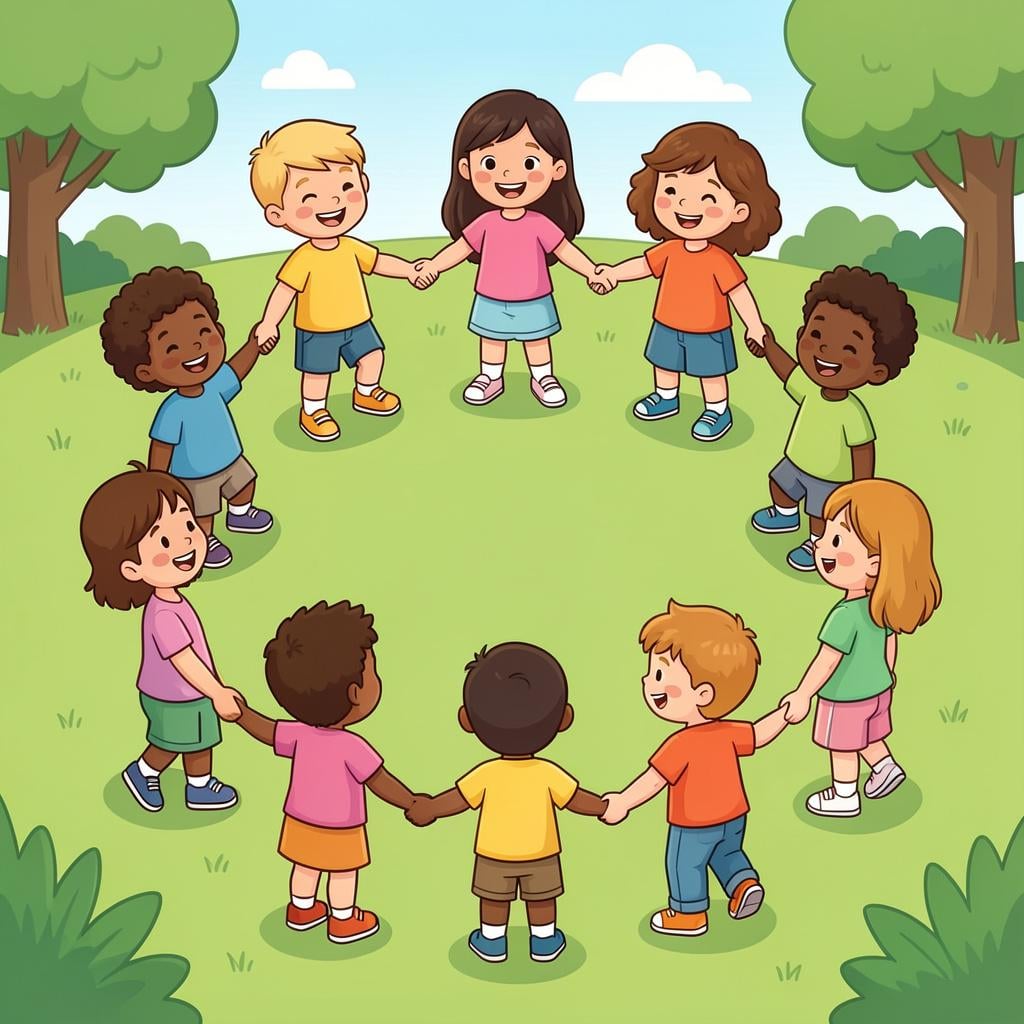
“unirte” の意味は “参加する” スペイン語で (グループ、クラブ、またはデジタルプラットフォームのメンバーになること).
参加する他にも: 団結する
Spain
gerunduniéndose
past Participleunido
infinitiveunirse
📝 使用例
¿Quieres unirte a nuestro equipo de fútbol?
A1私たちのサッカーチームに参加しませんか?
Es una gran oportunidad para unirte a la conversación.
B1会話に参加する絶好の機会です。
Gracias por unirte a nosotros esta noche.
A2今夜ご参加いただきありがとうございます。
関連語
Subjunctive
Imperfect Subjunctive
yome uniera
túte unieras
él/ella/ustedse uniera
nosotrosnos uniéramos
vosotrosos unierais
ellos/ellas/ustedesse unieran
Present Subjunctive
yome una
túte unas
él/ella/ustedse una
nosotrosnos unamos
vosotrosos unáis
ellos/ellas/ustedesse unan
Indicative
Preterite
yome uní
túte uniste
él/ella/ustedse unió
nosotrosnos unimos
vosotrosos unisteis
ellos/ellas/ustedesse unieron
Imperfect
yome unía
túte unías
él/ella/ustedse unía
nosotrosnos uníamos
vosotrosos uníais
ellos/ellas/ustedesse unían
Present
yome uno
túte unes
él/ella/ustedse une
nosotrosnos unimos
vosotrosos unís
ellos/ellas/ustedesse unen
✏️ クイック練習
クイッククイズ: unirte
1問中1問目
「unirte」が正しく使われている文はどれですか?
📚 その他のリソース
👥 語族
🎵 韻
partirtereírte
📚 語源
ラテン語の「unire」(一つにする)に由来します。「te」はスペイン語の代名詞で、話されている相手がその動作を行う主体であることを示すために語尾に追加されます。
初出:12th century (root verb 'unir')
同源語(関連語)
English: uniteFrench: unir
💡 スペイン語をマスター
スペイン語をレベルアップしましょう。Inklingoアプリで、あなたのレベルに合った200以上のイラスト付きスペイン語ストーリーを読もう!
よくある質問
なぜ「te」が単語の最後についているのですか?
スペイン語では、動詞が不定詞(-ar, -er, -irで終わる形)である場合、「te」(あなた)のような代名詞は単語の末尾に直接付けられます。
「unirte a」と言うべきですか、それとも単に「unirte」だけでも良いですか?
参加する対象を具体的に示す場合(例:「unirte a la fiesta」=パーティーに参加する)、ほとんどの場合、「unirte」の後に前置詞「a」が必要です。