


Inklingo

Sepa la bola

SEH-pah lah BOH-lah

직역:공이 알 수도 있다.
실제 의미:'누가 알겠어?', '전혀 몰라', '나도 모르긴 마찬가지야'라고 말하는 아주 흔한 표현입니다.
영어 등가 표현:
누가 알겠어?나도 몰라.나도 모르긴 마찬가지야.전혀 모르겠어.
수준:B2레지스터:Informal흔함:★★★☆☆

🎨 문자적 의미 vs. 비유적 의미

💭 직역
A literal, humorous depiction of 'Sepa la bola', showing a person asking a question to a sentient crystal ball that looks confused.

Literally, this phrase means something like 'The ball may know'.

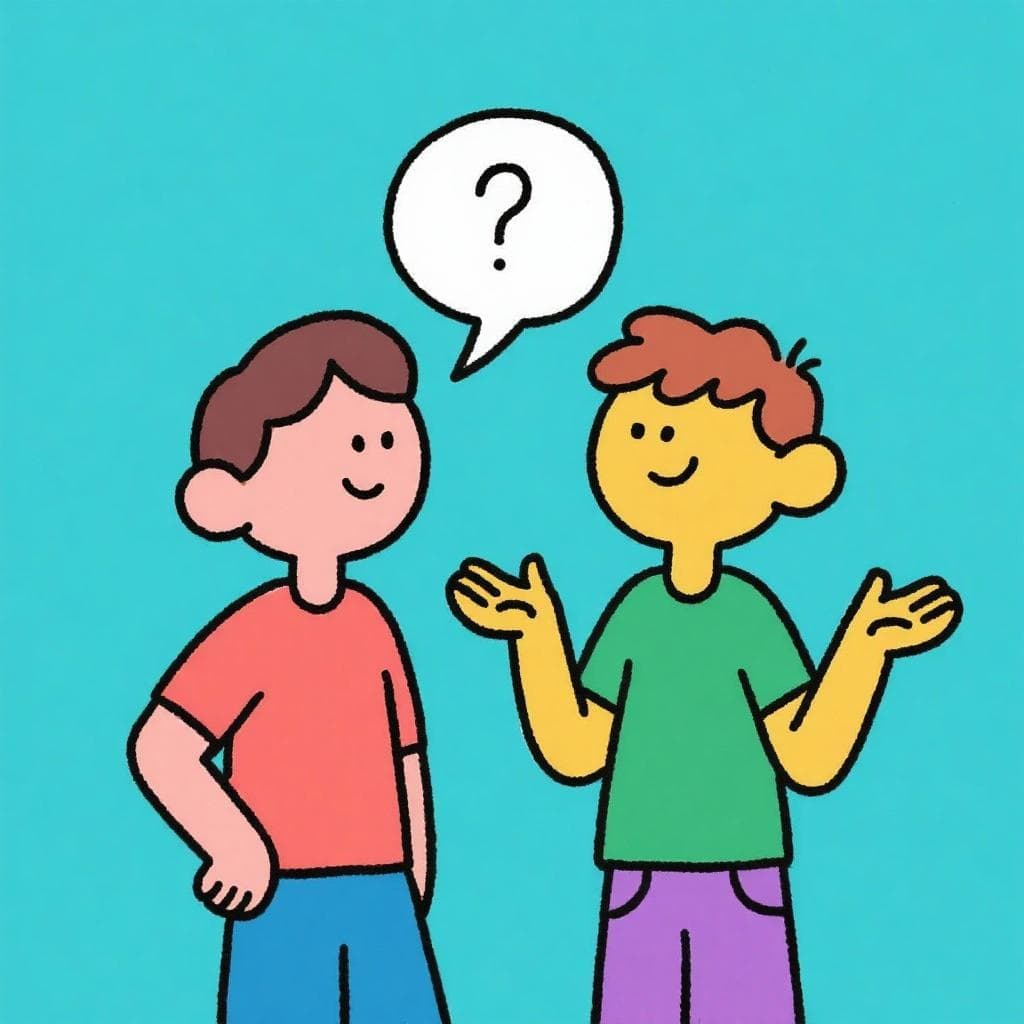
비유적
The actual meaning of 'Sepa la bola', showing a person shrugging with open palms to indicate they don't know an answer.

In practice, it's a very common way to say 'Who knows?' or 'I have no idea,' especially in Mexico.

이 관용구의 핵심 단어:

📝 실제 사용 예시

¿Quién dejó la puerta abierta? —¡Uf, sepa la bola!

B2

Who left the door open? —Ugh, who knows!

Le pregunté por qué cancelaron el evento, pero me dijo que sepa la bola.

B2

I asked him why they canceled the event, but he told me he had no idea.

—¿A qué hora empieza la película? —Sepa la bola, no lo dice en el boleto.

B2

—What time does the movie start? —Beats me, it doesn't say on the ticket.

📜 기원 이야기

This classic Mexican phrase has a fascinating origin in the Mexican Revolution (around 1910). 'La bola' (the ball, or the mob) was a term used to describe the large, disorganized groups of revolutionaries, often peasants, who fought without a clear leader. When something happened—a train was derailed or a building was attacked—and no one could identify the specific group responsible, the common answer was 'Sepa la bola,' meaning 'The mob would know.' It was a way of saying the act was anonymous, lost in the chaos of the revolution. Over time, it evolved into a general expression for any situation where the answer is unknown.

⭐ 사용 팁

Your Go-To for 'I Don't Know' in Mexico

This is the quintessential Mexican way to say 'I have no clue.' Use it in informal conversations when you genuinely don't know the answer to a question. It adds a touch of local flavor that a simple 'No sé' doesn't have.

Pair it with a Shrug

This expression is almost always accompanied by a physical gesture: a shrug of the shoulders, raised eyebrows, and open, upturned palms. The body language reinforces the meaning of complete uncertainty.

❌ 흔한 실수

Using It Outside of Mexico

실수:Saying 'Sepa la bola' in Spain or Argentina and expecting people to understand.

수정: This is a 'mexicanismo' through and through. In other Spanish-speaking countries, people will likely be confused. Stick to more universal phrases like 'Quién sabe' or 'Ni idea' when you're outside of Mexico.

📚 관련 문법

이 관용구의 문법을 이해하고 싶으신가요? 심층 학습을 위해 이 강의들을 살펴보세요:

🌎 사용되는 곳

🇲🇽

Mexico

Extremely common and widely used by everyone. It is a hallmark of informal Mexican Spanish.

🌎

Latin America

Largely unused and not well understood outside of Mexico. Most countries use 'Quién sabe' instead.

🇪🇸

Spain

Not used at all. A person from Spain would say 'Ni idea' or 'A saber'.

✏️ 빠른 연습

간단 퀴즈: Sepa la bola

1개 중 1번째 문제

If your friend in Mexico asks you where you left the keys and you don't remember, what is a very natural response?

🗣️ 발음 연습

이 관용구를 더 자연스럽게 사용하고 싶으신가요? 저희의 텅 트위스터 모음으로 스페인어 발음을 연습해 보세요.

스페인어 텅 트위스터 찾아보기

관용구를 생생하게 들어보세요

관용구는 맥락 속에서 의미가 통합니다. 200개 이상의 삽화가 포함되고 음성이 지원되는 스페인어 이야기를 읽고 등장인물들이 관용구를 자연스럽게 사용하는 것을 보고 원어민과 같은 귀를 길러보세요.

자주 묻는 질문

Is 'Sepa la bola' rude?

Not at all. It's very informal and friendly. It simply means 'I don't know.' It would be out of place in a very formal or professional setting, but among friends, family, and in everyday situations, it's perfectly fine.

Can I use 'Sabe la bola' instead of 'Sepa la bola'?

The fixed, traditional idiom is 'Sepa la bola,' which uses a special verb form called the subjunctive ('sepa'). While people would understand 'Sabe la bola,' it would sound a bit strange to a native speaker. It's best to learn it as a complete, unchangeable phrase.