Koniugacja acechar Tryb Subj. przeszły niedokonany
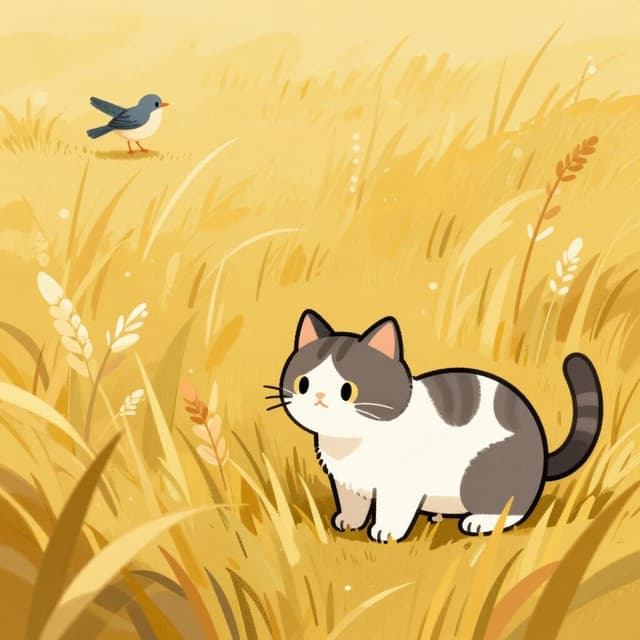
acechar — to stalk
The imperfect subjunctive (acechara/acechase) expresses past hypotheticals, wishes, or doubts.
Formy acechar Tryb Subj. przeszły niedokonany
Kiedy używać Tryb Subj. przeszły niedokonany
This tense is often used in 'if' clauses referring to unreal or unlikely situations in the past, or after verbs expressing doubt or desire about past events.
Uwagi dotyczące acechar w czasie Tryb Subj. przeszły niedokonany
Acechar is regular in the imperfect subjunctive. Both the -ra (acechara) and -se (acechase) forms are correct, with -ra often preferred.
Przykładowe zdania
Si yo hubiera sabido que me acechabas, me habría escondido.
If I had known you were stalking me, I would have hidden.
tú
Me pidió que no lo acechara.
He asked me not to stalk him.
yo
Dudaba que nos acecharan.
I doubted they were stalking us.
ellos/ellas/ustedes
Era como si alguien nos acechara desde las sombras.
It was as if someone were stalking us from the shadows.
él/ella/usted
Częste błędy
Błąd: Using the preterite instead of imperfect subjunctive in 'if' clauses.
Poprawnie: For hypothetical past situations, use the imperfect subjunctive (e.g., 'Si acechara...').
Dlaczego: The preterite refers to completed actions, while the imperfect subjunctive deals with unreal conditions.
Błąd: Confusing the -ra and -se endings.
Poprawnie: Both 'acechara' and 'acechase' are correct for the yo/él/ella/usted form. Choose one and be consistent, or use -ra as it's more common.
Dlaczego: While interchangeable, regional preferences and style guides might favor one over the other.
Opanuj hiszpańskie czasowniki w kontekście
Zapamiętywanie tabel to dopiero początek. Przeczytaj ponad 200 ilustrowanych i udźwiękowionych hiszpańskich historii, aby zobaczyć czasowniki takie jak 'acechar' używane naturalnie — w czasach, których się uczysz.
Powiązane czasy
Czas teraźniejszy
yo: acecho
The present indicative (acecho, acechas, acecha, acechamos, acecháis, acechan) describes current actions, habits, or general truths.
Czas przeszły prosty
yo: aceché
The preterite of acechar is regular: aceché, acechaste, acechó, acechamos, acechasteis, acecharon.
Czas przeszły niedokonany
yo: acechaba
The imperfect (acechaba, acechabas, etc.) describes ongoing or habitual past actions, and background settings.
Czas przyszły
yo: acecharé
The future tense (acecharé, acecharás, etc.) indicates actions that will happen or expresses probability.
Tryb warunkowy
yo: acecharía
The conditional (acecharía, acecharías, etc.) is used for hypotheticals ('would stalk'), polite requests, and future-in-the-past.
Tryb Subj. teraźniejszy
yo: aceche
The present subjunctive (aceche, aceches, etc.) follows expressions of doubt, desire, emotion, or uncertainty.
Tryb rozkazujący (twierdzący)
yo: acecha
Use 'acecha' for tú commands, 'aceche' for usted, 'acechemos' for nosotros, 'acechad' for vosotros, and 'acechen' for ustedes.
Tryb rozkazujący (przeczący)
yo: no aceches
Negative commands use 'no' plus the present subjunctive: no aceches (tú), no aceche (usted), no acechemos (nosotros), no acechéis (vosotros), no acechen (ustedes).