Koniugacja acechar Czas przeszły prosty
acechar — to stalk
The preterite of acechar is regular: aceché, acechaste, acechó, acechamos, acechasteis, acecharon.
Formy acechar Czas przeszły prosty
Kiedy używać Czas przeszły prosty
Use the preterite to describe a completed action of stalking that happened at a specific point in the past. Think of it as a snapshot: 'He stalked her yesterday'.
Uwagi dotyczące acechar w czasie Czas przeszły prosty
Acechar is fully regular in the preterite. The nosotros form 'acechamos' is identical to the present indicative; context clarifies the meaning.
Przykładowe zdania
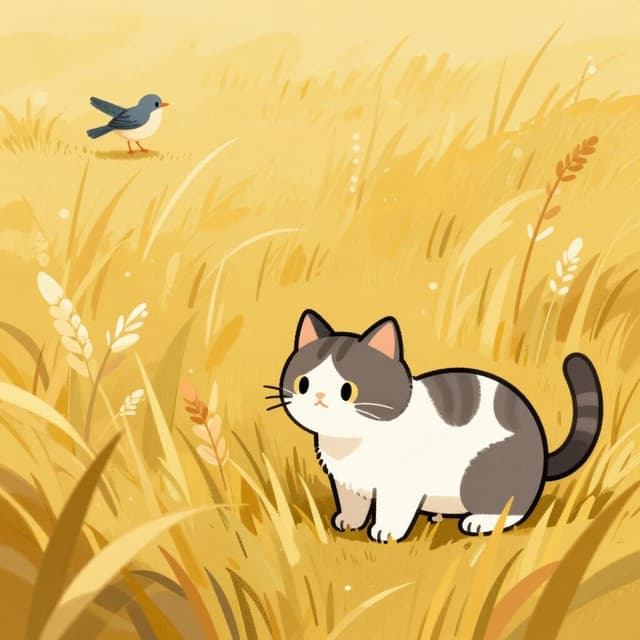
El gato acechó al ratón desde la alfombra.
The cat stalked the mouse from the carpet.
él/ella/usted
Acechamos al sospechoso durante horas.
We stalked the suspect for hours.
nosotros
¿Acechaste a tu presa anoche?
Did you stalk your prey last night?
tú
Ellos acecharon la casa toda la noche.
They stalked the house all night.
ellos/ellas/ustedes
Częste błędy
Błąd: Using the imperfect instead of preterite for a single, completed stalking event.
Poprawnie: For a specific, finished action like 'He stalked the bird', use the preterite 'acechó'.
Dlaczego: The imperfect ('acechaba') describes ongoing or habitual past actions, not completed ones.
Błąd: Confusing the nosotros preterite ('acechamos') with the present indicative ('acechamos').
Poprawnie: Pay attention to context to know if 'acechamos' means 'we stalk' (present) or 'we stalked' (preterite).
Dlaczego: The identical forms require context to differentiate between a habitual action and a completed one.
Opanuj hiszpańskie czasowniki w kontekście
Zapamiętywanie tabel to dopiero początek. Przeczytaj ponad 200 ilustrowanych i udźwiękowionych hiszpańskich historii, aby zobaczyć czasowniki takie jak 'acechar' używane naturalnie — w czasach, których się uczysz.
Powiązane czasy
Czas teraźniejszy
yo: acecho
The present indicative (acecho, acechas, acecha, acechamos, acecháis, acechan) describes current actions, habits, or general truths.
Czas przeszły niedokonany
yo: acechaba
The imperfect (acechaba, acechabas, etc.) describes ongoing or habitual past actions, and background settings.
Czas przyszły
yo: acecharé
The future tense (acecharé, acecharás, etc.) indicates actions that will happen or expresses probability.
Tryb warunkowy
yo: acecharía
The conditional (acecharía, acecharías, etc.) is used for hypotheticals ('would stalk'), polite requests, and future-in-the-past.
Tryb Subj. teraźniejszy
yo: aceche
The present subjunctive (aceche, aceches, etc.) follows expressions of doubt, desire, emotion, or uncertainty.
Tryb Subj. przeszły niedokonany
yo: acechara
The imperfect subjunctive (acechara/acechase) expresses past hypotheticals, wishes, or doubts.
Tryb rozkazujący (twierdzący)
yo: acecha
Use 'acecha' for tú commands, 'aceche' for usted, 'acechemos' for nosotros, 'acechad' for vosotros, and 'acechen' for ustedes.
Tryb rozkazujący (przeczący)
yo: no aceches
Negative commands use 'no' plus the present subjunctive: no aceches (tú), no aceche (usted), no acechemos (nosotros), no acechéis (vosotros), no acechen (ustedes).