Koniugacja acechar Tryb Subj. teraźniejszy
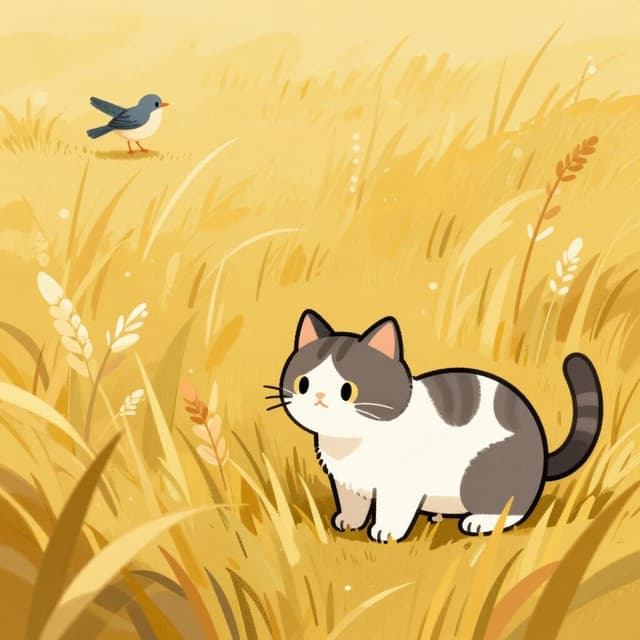
acechar — to stalk
The present subjunctive (aceche, aceches, etc.) follows expressions of doubt, desire, emotion, or uncertainty.
Formy acechar Tryb Subj. teraźniejszy
Kiedy używać Tryb Subj. teraźniejszy
Use this tense after phrases like 'Espero que...' (I hope that...), 'Dudo que...' (I doubt that...), 'Quiero que...' (I want that...), or when expressing surprise or emotion about something someone else might do.
Uwagi dotyczące acechar w czasie Tryb Subj. teraźniejszy
Acechar is regular in the present subjunctive. The forms are derived from the 'yo' form of the present indicative ('acecho').
Przykładowe zdania
Espero que no me aceches esta noche.
I hope you don't stalk me tonight.
tú
Me sorprende que él aceche a la gente.
It surprises me that he stalks people.
él/ella/usted
Dudo que ellos nos acechen.
I doubt they are stalking us.
ellos/ellas/ustedes
Queremos que tú no los aceches.
We want you not to stalk them.
tú
Częste błędy
Błąd: Using the present indicative instead of subjunctive after doubt/desire verbs.
Poprawnie: After verbs expressing doubt, desire, or emotion, use the present subjunctive (e.g., 'Dudo que aceche').
Dlaczego: The indicative states facts, while the subjunctive expresses subjectivity and uncertainty.
Błąd: Forgetting to conjugate for the correct subject.
Poprawnie: Ensure the subjunctive verb matches the subject of the subordinate clause (e.g., 'Espero que *yo* aceche', 'Espero que *tú* aceches').
Dlaczego: Incorrect subject agreement leads to grammatical errors and confusion.
Opanuj hiszpańskie czasowniki w kontekście
Zapamiętywanie tabel to dopiero początek. Przeczytaj ponad 200 ilustrowanych i udźwiękowionych hiszpańskich historii, aby zobaczyć czasowniki takie jak 'acechar' używane naturalnie — w czasach, których się uczysz.
Powiązane czasy
Czas teraźniejszy
yo: acecho
The present indicative (acecho, acechas, acecha, acechamos, acecháis, acechan) describes current actions, habits, or general truths.
Czas przeszły prosty
yo: aceché
The preterite of acechar is regular: aceché, acechaste, acechó, acechamos, acechasteis, acecharon.
Czas przeszły niedokonany
yo: acechaba
The imperfect (acechaba, acechabas, etc.) describes ongoing or habitual past actions, and background settings.
Czas przyszły
yo: acecharé
The future tense (acecharé, acecharás, etc.) indicates actions that will happen or expresses probability.
Tryb warunkowy
yo: acecharía
The conditional (acecharía, acecharías, etc.) is used for hypotheticals ('would stalk'), polite requests, and future-in-the-past.
Tryb Subj. przeszły niedokonany
yo: acechara
The imperfect subjunctive (acechara/acechase) expresses past hypotheticals, wishes, or doubts.
Tryb rozkazujący (twierdzący)
yo: acecha
Use 'acecha' for tú commands, 'aceche' for usted, 'acechemos' for nosotros, 'acechad' for vosotros, and 'acechen' for ustedes.
Tryb rozkazujący (przeczący)
yo: no aceches
Negative commands use 'no' plus the present subjunctive: no aceches (tú), no aceche (usted), no acechemos (nosotros), no acechéis (vosotros), no acechen (ustedes).