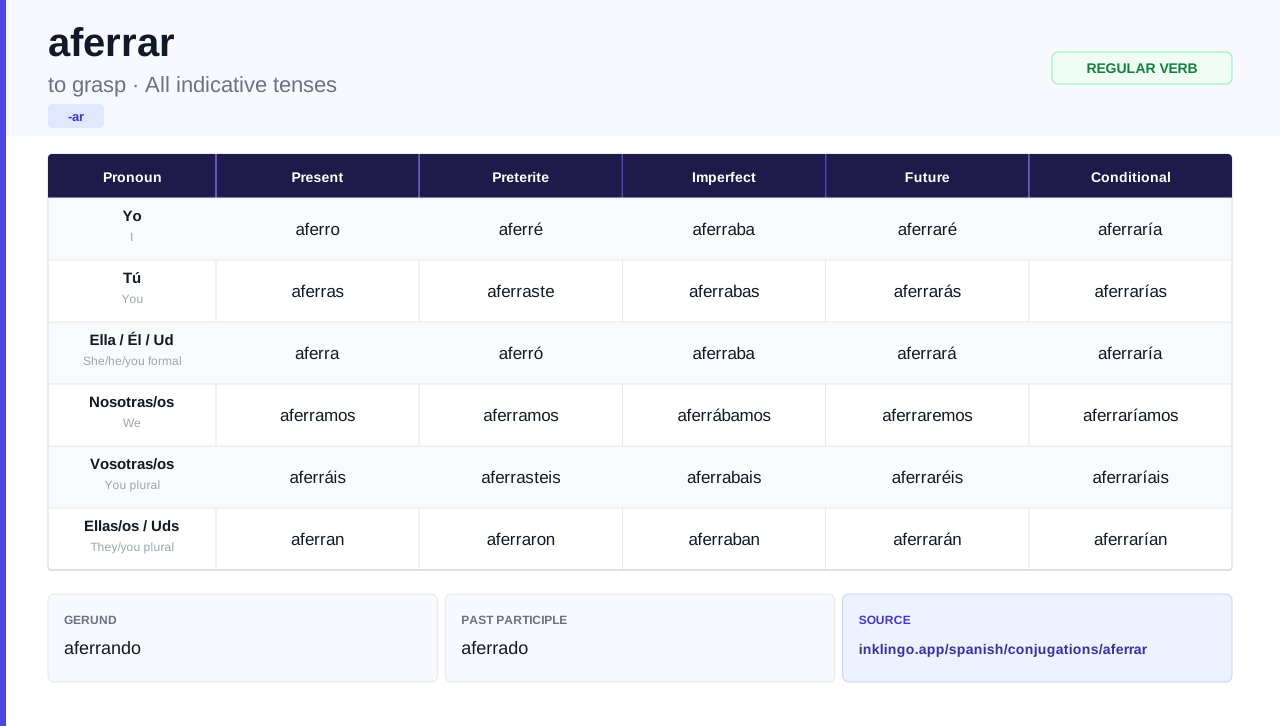
aferrarKoniugacja
aferrar oznacza chwytać.
Kompletne tabele koniugacji
Odniesienie do wszystkich czasów i trybów
Subjunctive
Imperfect Subjunctive
Aferrara/aferrase forms express hypothetical past wishes or conditions.
Present Subjunctive
Aferre, aferres, aferre, aferremos, aferréis, aferren: express wishes, doubts, emotions.
Imperative
Negative Imperative
No aferres, no aferréis, no aferre, no aferren: negative commands not to grasp.
Imperative
Aferra, aferrad, aferre, aferren: direct commands to grasp or hold on.
Indicative
Conditional
Aferraría, aferrarías, aferraría, aferraríamos, aferraríais, aferrarían: hypothetical 'would grasp' or polite requests.
Preterite
Aferré, aferraste, aferró, aferramos, aferrasteis, aferraron: completed actions of grasping or holding on.
Imperfect
Aferraba, aferrabas, aferraba, aferrábamos, aferrabais, aferraban: ongoing or habitual past actions of grasping.
Present
Aferro, aferras, aferra, aferramos, aferráis, aferran: actions of grasping happening now or habitually.
Future
Aferraré, aferrarás, aferrará, aferraremos, aferraréis, aferrarán: actions that will happen.
Ćwicz koniugacje
Sprawdź swoją wiedzę za pomocą interaktywnych ćwiczeń
Przenieś aferrar z tabel do prawdziwego hiszpańskiego
Tabele koniugacji to dopiero początek. Przeczytaj ponad 200 ilustrowanych i udźwiękowionych hiszpańskich historii, aby zobaczyć 'aferrar' w akcji w prawdziwych zdaniach — i zbuduj instynkt, jaki mają rodzimi użytkownicy języka.
Często zadawane pytania
Co oznacza aferrar po hiszpańsku?
aferrar oznacza „chwytać”.
Czy aferrar to czasownik regularny czy nieregularny?
aferrar to czasownik regular -ar w języku hiszpańskim.
Jak koniuguje się aferrar w czasie teraźniejszym?
Czas teraźniejszy aferrar to: yo aferro, tú aferras, él/ella/usted aferra, nosotros aferramos, vosotros aferráis, ellos/ellas/ustedes aferran.
Jak koniuguje się aferrar w czasie przeszłym dokonanym (preterite)?
Czas przeszły dokonany aferrar to: yo aferré, tú aferraste, él/ella/usted aferró, nosotros aferramos, vosotros aferrasteis, ellos/ellas/ustedes aferraron.
aferrar ściągawka koniugacyjna