agregarKoniugacja
agregar oznacza dodawać.
Kompletne tabele koniugacji
Odniesienie do wszystkich czasów i trybów
Subjunctive
Imperfect Subjunctive
The imperfect subjunctive of agregar is regular, based on the third-person plural preterite: agregara, agregaras, agregara, agregáramos, agregarais, agregaran.
Present Subjunctive
The present subjunctive of agregar requires a spelling change to keep the hard 'g' sound: agregue, agregues, agregue, agreguemos, agreguéis, agreguen.
Imperative
Negative Imperative
Negative commands for agregar use the present subjunctive: no agregues, no agregue, no agreguemos, no agreguéis, no agreguen.
Imperative
The imperative of agregar gives commands: agrega (tú), agregue (usted), agreguemos (nosotros), agregad (vosotros), agreguen (ustedes).
Indicative
Conditional
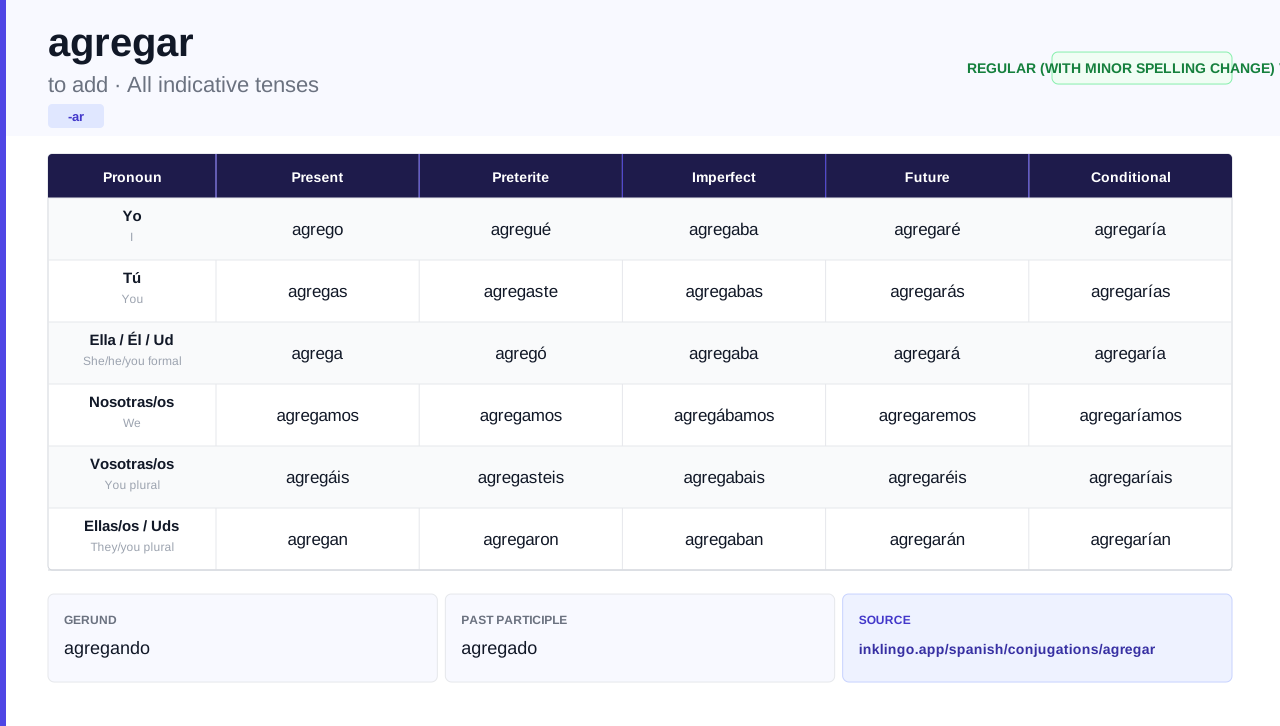
The conditional of agregar is regular: agregaría, agregarías, agregaría, agregaríamos, agregaríais, agregarían.
Preterite
The preterite of agregar is regular except for the 'yo' form (agregué) to preserve the hard 'g' sound.
Imperfect
The imperfect of agregar is fully regular: agregaba, agregabas, agregaba, agregábamos, agregabais, agregaban.
Present
The present tense of agregar is fully regular: agrego, agregas, agrega, agregamos, agregáis, agregan.
Future
The future tense of agregar is regular: agregaré, agregarás, agregará, agregaremos, agregaréis, agregarán.
Ćwicz koniugacje
Sprawdź swoją wiedzę za pomocą interaktywnych ćwiczeń
Przenieś agregar z tabel do prawdziwego hiszpańskiego
Tabele koniugacji to dopiero początek. Przeczytaj ponad 200 ilustrowanych i udźwiękowionych hiszpańskich historii, aby zobaczyć 'agregar' w akcji w prawdziwych zdaniach — i zbuduj instynkt, jaki mają rodzimi użytkownicy języka.
Często zadawane pytania
Co oznacza agregar po hiszpańsku?
agregar oznacza „dodawać”.
Czy agregar to czasownik regularny czy nieregularny?
agregar to czasownik regular (with minor spelling change) -ar w języku hiszpańskim.
Jak koniuguje się agregar w czasie teraźniejszym?
Czas teraźniejszy agregar to: yo agrego, tú agregas, él/ella/usted agrega, nosotros agregamos, vosotros agregáis, ellos/ellas/ustedes agregan.
Jak koniuguje się agregar w czasie przeszłym dokonanym (preterite)?
Czas przeszły dokonany agregar to: yo agregué, tú agregaste, él/ella/usted agregó, nosotros agregamos, vosotros agregasteis, ellos/ellas/ustedes agregaron.
agregar ściągawka koniugacyjna