Koniugacja apagar Czas przeszły niedokonany
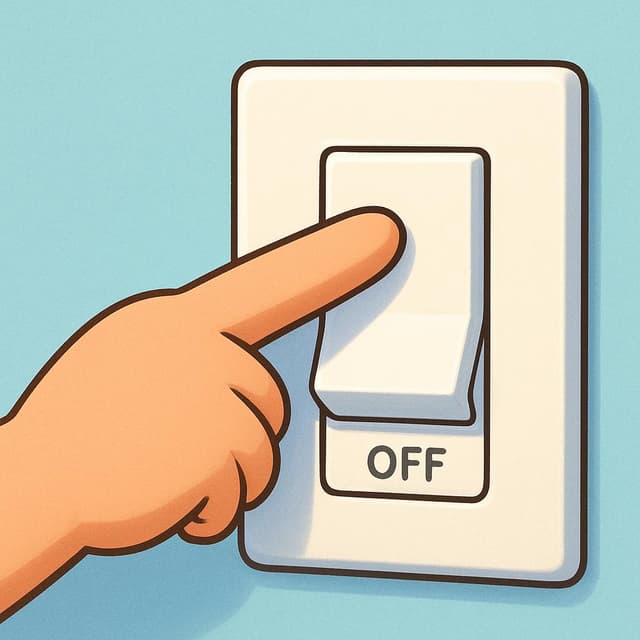
apagar — turn off
The imperfect of apagar is regular: apagaba, apagabas, apagaba, apagábamos, apagabais, apagaban.
Formy apagar Czas przeszły niedokonany
Kiedy używać Czas przeszły niedokonany
Use this to describe habitual past actions (e.g., 'I used to turn off the lights') or ongoing past actions that were interrupted.
Uwagi dotyczące apagar w czasie Czas przeszły niedokonany
Apagar is regular in the imperfect. Note the accent on the 'nosotros' form: apagábamos.
Przykładowe zdania
De niño, yo apagaba la luz por miedo.
As a child, I used to turn off the light out of fear.
yo
Ellos apagaban las máquinas cada viernes.
They used to shut down the machines every Friday.
ellos/ellas/ustedes
Apagábamos las velas cuando soplaba el viento.
We were putting out the candles when the wind blew.
nosotros
Częste błędy
Błąd: Forgetting the accent on 'apagábamos'.
Poprawnie: apagábamos
Dlaczego: All -ar verbs in the imperfect require an accent on the first 'a' of the 'nosotros' ending (-ábamos).
Opanuj hiszpańskie czasowniki w kontekście
Zapamiętywanie tabel to dopiero początek. Przeczytaj ponad 200 ilustrowanych i udźwiękowionych hiszpańskich historii, aby zobaczyć czasowniki takie jak 'apagar' używane naturalnie — w czasach, których się uczysz.
Powiązane czasy
Czas teraźniejszy
yo: apago
The present tense of apagar is regular: apago, apagas, apaga, apagamos, apagáis, apagan.
Czas przeszły prosty
yo: apagué
The preterite of apagar requires a spelling change in the 'yo' form (apagué) to keep the hard 'g' sound.
Czas przyszły
yo: apagaré
The future tense is regular: add endings to the infinitive (apagaré, apagarás, apagará...).
Tryb warunkowy
yo: apagaría
The conditional is regular: add -ía, -ías, -ía... to the infinitive apagar.
Tryb Subj. teraźniejszy
yo: apague
The present subjunctive uses a 'gu' spelling in all forms: apague, apagues, apague...
Tryb Subj. przeszły niedokonany
yo: apagara
Formed from the 'ellos' preterite: apagara, apagaras, apagara...
Tryb rozkazujący (twierdzący)
yo: apaga
Direct commands: apaga (tú), apague (usted), apagad (vosotros), apaguen (ustedes).
Tryb rozkazujący (przeczący)
yo: no apagues
Negative commands always use the present subjunctive forms: no apagues, no apague, no apaguéis, no apaguen.