Koniugacja apagar Tryb Subj. teraźniejszy
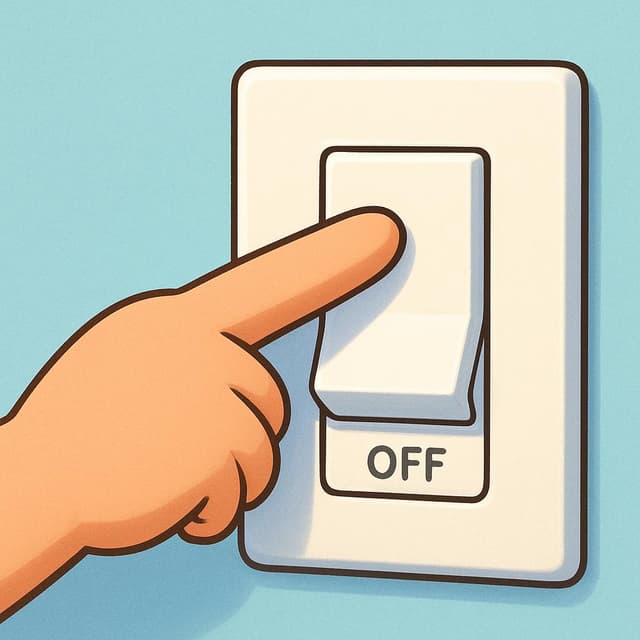
apagar — turn off
The present subjunctive uses a 'gu' spelling in all forms: apague, apagues, apague...
Formy apagar Tryb Subj. teraźniejszy
Kiedy używać Tryb Subj. teraźniejszy
Use this when expressing wishes, doubts, or orders about turning something off (e.g., 'I want you to turn off the light').
Uwagi dotyczące apagar w czasie Tryb Subj. teraźniejszy
Because the endings start with 'e', we must use 'gu' (apague) instead of 'g' to keep the hard sound of the verb.
Przykładowe zdania
Espero que apagues la computadora al terminar.
I hope you turn off the computer when you finish.
tú
Diles que apaguen sus teléfonos.
Tell them to turn off their phones.
ellos/ellas/ustedes
Es necesario que apaguemos el gas.
It is necessary that we turn off the gas.
nosotros
Częste błędy
Błąd: Writing 'apage' instead of 'apague'.
Poprawnie: apague
Dlaczego: The 'u' is mandatory to prevent the 'g' from sounding like a Spanish 'j' before the letter 'e'.
Opanuj hiszpańskie czasowniki w kontekście
Zapamiętywanie tabel to dopiero początek. Przeczytaj ponad 200 ilustrowanych i udźwiękowionych hiszpańskich historii, aby zobaczyć czasowniki takie jak 'apagar' używane naturalnie — w czasach, których się uczysz.
Powiązane czasy
Czas teraźniejszy
yo: apago
The present tense of apagar is regular: apago, apagas, apaga, apagamos, apagáis, apagan.
Czas przeszły prosty
yo: apagué
The preterite of apagar requires a spelling change in the 'yo' form (apagué) to keep the hard 'g' sound.
Czas przeszły niedokonany
yo: apagaba
The imperfect of apagar is regular: apagaba, apagabas, apagaba, apagábamos, apagabais, apagaban.
Czas przyszły
yo: apagaré
The future tense is regular: add endings to the infinitive (apagaré, apagarás, apagará...).
Tryb warunkowy
yo: apagaría
The conditional is regular: add -ía, -ías, -ía... to the infinitive apagar.
Tryb Subj. przeszły niedokonany
yo: apagara
Formed from the 'ellos' preterite: apagara, apagaras, apagara...
Tryb rozkazujący (twierdzący)
yo: apaga
Direct commands: apaga (tú), apague (usted), apagad (vosotros), apaguen (ustedes).
Tryb rozkazujący (przeczący)
yo: no apagues
Negative commands always use the present subjunctive forms: no apagues, no apague, no apaguéis, no apaguen.