Koniugacja apagar Tryb Subj. przeszły niedokonany
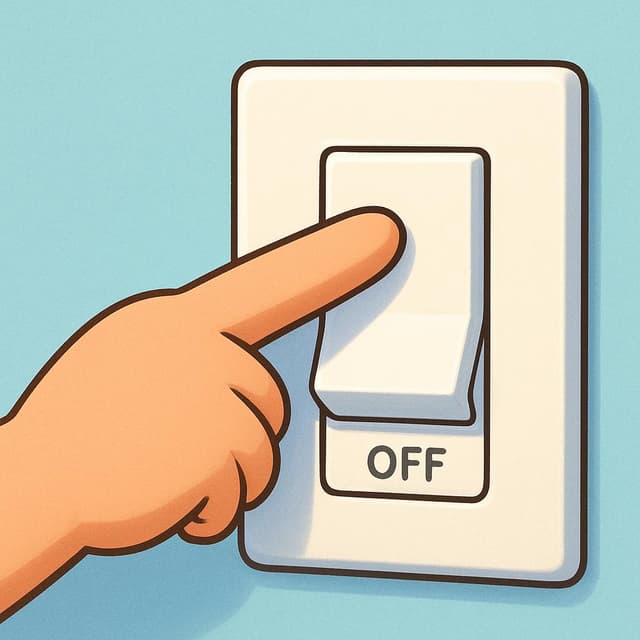
apagar — turn off
Formed from the 'ellos' preterite: apagara, apagaras, apagara...
Formy apagar Tryb Subj. przeszły niedokonany
Kiedy używać Tryb Subj. przeszły niedokonany
Use this in 'if' clauses (e.g., 'If I turned off the light...') or when the main verb is in the past and requires the subjunctive.
Uwagi dotyczące apagar w czasie Tryb Subj. przeszły niedokonany
Based on 'apagaron', this tense is regular in its formation but remember the accent on the 'nosotros' form: apagáramos.
Przykładowe zdania
Si apagara la televisión, podría dormir mejor.
If I turned off the television, I could sleep better.
yo
Me pidió que apagara la luz.
He asked me to turn off the light.
él/ella/usted
Sería mejor que apagáramos el motor.
It would be better if we turned off the engine.
nosotros
Częste błędy
Błąd: Forgetting the accent on the nosotros form 'apagáramos'.
Poprawnie: apagáramos
Dlaczego: In the imperfect subjunctive, the nosotros form always has an accent on the vowel before the -ramos ending.
Opanuj hiszpańskie czasowniki w kontekście
Zapamiętywanie tabel to dopiero początek. Przeczytaj ponad 200 ilustrowanych i udźwiękowionych hiszpańskich historii, aby zobaczyć czasowniki takie jak 'apagar' używane naturalnie — w czasach, których się uczysz.
Powiązane czasy
Czas teraźniejszy
yo: apago
The present tense of apagar is regular: apago, apagas, apaga, apagamos, apagáis, apagan.
Czas przeszły prosty
yo: apagué
The preterite of apagar requires a spelling change in the 'yo' form (apagué) to keep the hard 'g' sound.
Czas przeszły niedokonany
yo: apagaba
The imperfect of apagar is regular: apagaba, apagabas, apagaba, apagábamos, apagabais, apagaban.
Czas przyszły
yo: apagaré
The future tense is regular: add endings to the infinitive (apagaré, apagarás, apagará...).
Tryb warunkowy
yo: apagaría
The conditional is regular: add -ía, -ías, -ía... to the infinitive apagar.
Tryb Subj. teraźniejszy
yo: apague
The present subjunctive uses a 'gu' spelling in all forms: apague, apagues, apague...
Tryb rozkazujący (twierdzący)
yo: apaga
Direct commands: apaga (tú), apague (usted), apagad (vosotros), apaguen (ustedes).
Tryb rozkazujący (przeczący)
yo: no apagues
Negative commands always use the present subjunctive forms: no apagues, no apague, no apaguéis, no apaguen.